P3100–P3155 Trouble Codes: What They Mean and How to Diagnose Them
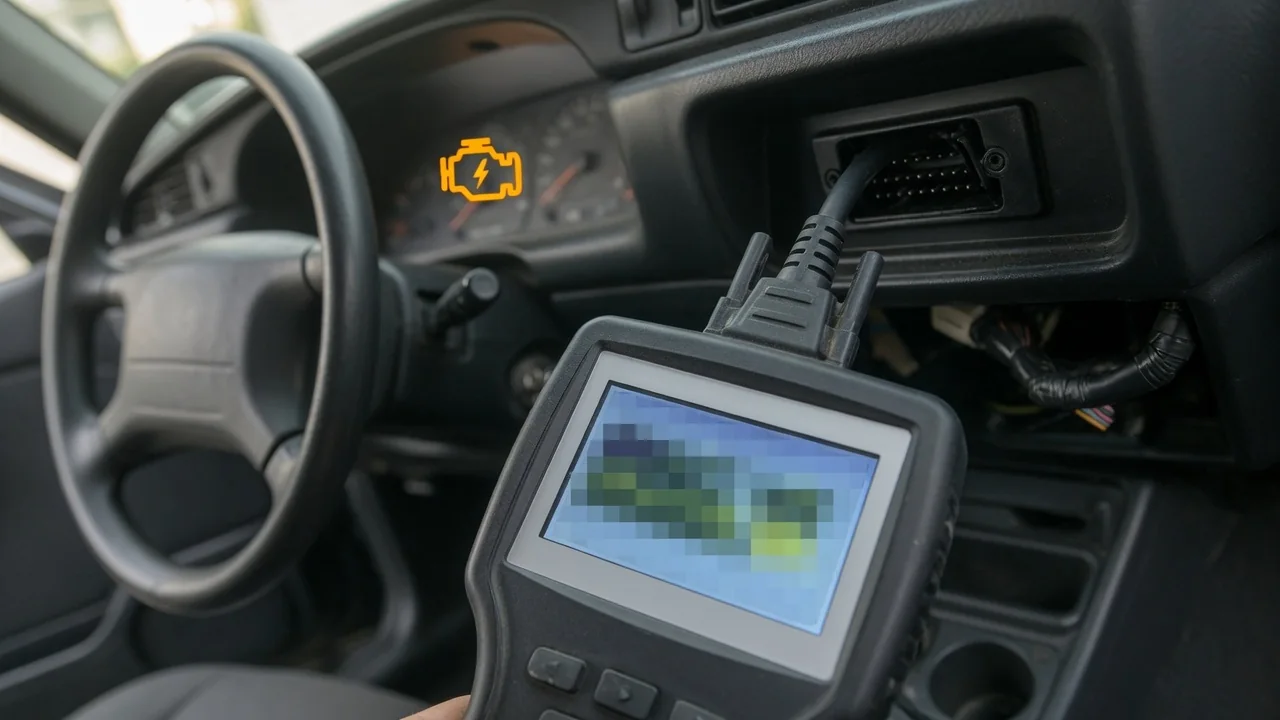
When a scan tool turns up P3100–P3155, the meaning is rarely as obvious as the code number suggests. Unlike standardized emissions codes, this range is largely assigned by each automaker, so the same P3100 can represent different faults on different vehicles. A generic definition can mislead you into replacing the wrong part. To diagnose safely, note the exact code, freeze-frame data, and your vehicle’s year, make, model, and engine. Then confirm the manufacturer-specific trouble code before testing or spending money.
Why P3100–P3155 Codes Have No Single Universal Meaning
Powertrain trouble codes beginning with P3 are part of a block that manufacturers use for their own purposes. This means P3101 can mean one thing on one brand and something entirely different on another. Even codes adjacent in number, like P3102 and P3103, are not necessarily related. Generic online code lists often guess based on one vehicle and may not match yours, so treat them as a starting point rather than a definitive answer.
The code structure helps you identify the category but not the specific meaning in this range. The first character P indicates a powertrain issue, while the following digits narrow the area, but for P3xxx codes the manufacturer defines the exact fault. Before looking up anything, write down the exact code, the vehicle’s year, make, model, and engine or powertrain type. This information ensures you consult the right service information and avoid chasing a definition for a different vehicle.
How to Confirm the Correct Definition for Your Vehicle
Because codes like P3102 or P3103 are manufacturer-specific, you must confirm the definition for your vehicle before interpreting them or buying parts. The most reliable sources are the manufacturer’s service information, a dealer service department, or a scan tool with enhanced coverage for your make. These tools can display the precise wording the manufacturer uses, which often differs from a generic description.
A basic generic code reader may only show a number or a vague description for these codes, leading you down the wrong path. When you scan, record freeze-frame data, note whether the code is pending or stored, and list any companion codes that appear. This picture helps a professional or repair database pinpoint the correct diagnostic direction. Without these details, you may miss a related fault or clear a code that holds valuable clues.
Systems That May Be Involved Depending on the Make
The systems behind P3100–P3155 vary widely by manufacturer. Depending on the make, these codes may involve engine management, emissions controls, or hybrid and electrified drive systems. For example, P3105, P3107, and P3108 often point to different components on different brands—one might relate to a throttle actuator, another to a hybrid battery sensor. Guessing from a nearby code number is risky because codes in this block are not arranged by system.
Companion codes and the circumstances around the warning light often reveal more than the code number alone. If a hybrid system warning appears along with a P-code, suspect the high-voltage or electric drive system. If only the check engine light illuminates, lean toward conventional engine controls. Note any other lights, messages, or drivability changes, and resist the urge to assign meaning based on code order alone.
Symptoms You May Notice and What They Can't Tell You
Symptoms vary from none at all to obvious warnings. Some codes set silently, while others trigger a check engine light, reduced power or limp mode, rough running, or a hybrid system warning. Codes like P3115, P3120, or P3125 cannot be confirmed by symptoms alone because the same symptom can arise from entirely different systems on different vehicles. The vehicle-specific definition is essential before linking a symptom to a cause.
Pay attention to when symptoms appear—cold start, acceleration, charging, or idle—and whether the warning light is steady or flashing. A flashing check engine light generally indicates a misfire severe enough to damage the catalytic converter, while a reduced-power message suggests the vehicle is limiting output to protect itself. Unusual smells, smoke, or noises also demand prompt attention. If you notice any of these, limit driving and have the vehicle checked promptly.
Broad Categories of Causes Behind Codes in This Range
Common cause categories for manufacturer codes include wiring or connector faults, failed sensors or actuators, low system voltage, software calibration issues, and control module faults. Codes like P3135 and P3140 cannot be ranked by likelihood without the make-specific definition; what is a common wiring fault on one vehicle might be a routine software update on another. Avoid assuming frequency without reliable service information or diagnostic experience.
A weak 12-volt battery or poor ground connections can set several unrelated-looking codes at once, because low voltage disrupts communication between modules. Before condemning a sensor or module, check the battery and main grounds if the code appears alongside multiple other codes. However, do not replace parts based only on a code number. Confirming the actual cause first prevents expensive misdiagnosis and repeated trips to the parts store.
Safe Checks Owners Can Do Before a Shop Visit
For codes like P3143 and P3145, you can perform safe, non-invasive checks before a shop visit. Scan and record all codes, then with the engine off, visually inspect accessible wiring harnesses and connectors for obvious damage, corrosion, or loose fit. Check the 12-volt battery condition—clean terminals, secure connections, and adequate voltage—since low battery voltage can trigger spurious codes.
Do not clear a code without recording it first, because clearing erases freeze-frame data that a professional can use to understand the fault conditions. If the code returns after clearing, that indicates a persistent issue. You can also check whether the manufacturer has published service information or software updates related to the code, but do not attempt high-voltage hybrid or EV component checks; never touch orange cables, and do not perform electrical testing inside modules.
When Professional Diagnosis Is the Right Call
Codes like P3155 often require make-specific scan tools, guided test procedures, or software access that most owners do not have. Professional diagnosis is the right call when warnings relate to high-voltage systems, drivability or safety concerns, codes that return after basic checks, or several module codes appear at once. These situations often involve complex interactions that need factory-level information and equipment.
Before going to a shop, prepare a list of all codes, freeze-frame notes, when symptoms occur, and any recent repairs or battery work. Ask the shop to confirm the vehicle-specific definition and explain the test results before approving parts replacement. A thorough technician will verify the fault and show you the evidence, preventing unnecessary parts and ensuring the repair actually addresses the cause.