P2796, P2797 and P2798: Auxiliary Transmission Fluid Pump Codes Explained
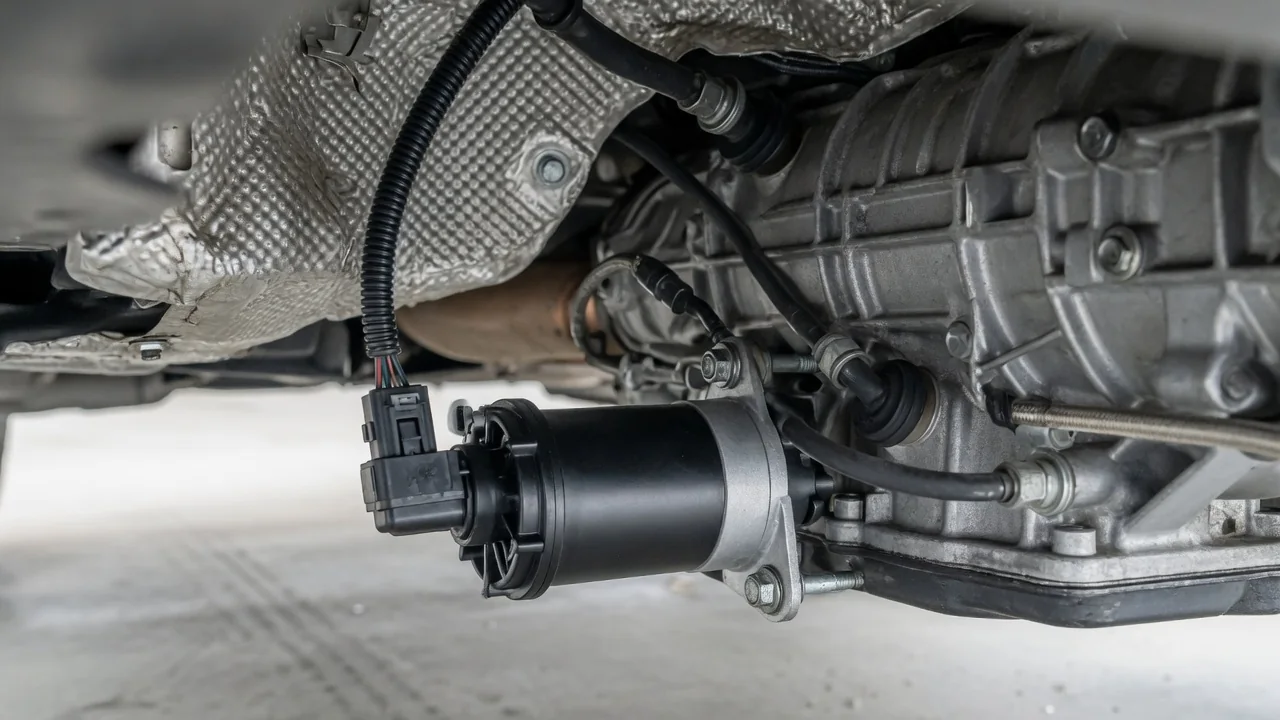
When a P2796, P2797, or P2798 code appears, it signals a problem in the auxiliary transmission fluid pump system. These pumps are common on hybrids and vehicles with stop-start technology, where they maintain hydraulic pressure when the engine shuts off. Without proper pressure, the transmission cannot ready itself for movement, leading to delayed engagement or harsh shifts. Each code points to a different aspect—circuit, performance, or a specific fault—so understanding their differences is key to accurate diagnosis.
What the Auxiliary Transmission Fluid Pump Does When the Engine Stops
The auxiliary transmission fluid pump takes over when the engine stops. In a conventional automatic transmission, the engine-driven pump creates hydraulic pressure to engage clutches and bands. When the engine shuts off for fuel savings at a stoplight, that pressure would normally drop. On many hybrids and vehicles with stop-start systems, an electric pump keeps the fluid pressurized. This ensures the transmission is ready to transfer torque immediately when the driver accelerates, whether the engine restarts or the vehicle moves on electric power alone.
Design and control vary by manufacturer. Some vehicles mount the electric pump inside the transmission, while others place it externally. The transmission control module or powertrain control module commands the pump to run at certain times and monitors its operation through electrical feedback or pressure sensors. If the module detects that the pump is not responding as expected, it sets a diagnostic trouble code. That is how P2796, P2797, and P2798 become stored in the vehicle’s computer.
P2796: What an Auxiliary Pump Circuit Code Can Indicate
P2796 is commonly associated with the auxiliary transmission fluid pump control circuit. The exact definition can differ between manufacturers, so it is not safe to assume one meaning for every vehicle. Some automakers may use this code for an open circuit, a short to ground or power, or an implausible signal from the pump. Always check the manufacturer-specific description in a scan tool or service manual before jumping to conclusions. A generic code reader may only show the number without the detailed text.
A circuit code means the control module detected an unexpected electrical condition. This could be a broken wire, a corroded connector, or a failed pump motor winding, but the code alone does not prove what part failed. Freeze-frame data shows the operating conditions when the fault occurred, such as engine state, vehicle speed, and transmission temperature. Knowing whether the code is current, pending, or stored can help a technician reproduce the fault and focus testing.
P2797 Code: Auxiliary Pump Performance Faults
P2797 often appears as an auxiliary transmission fluid pump performance fault. Again, the exact wording depends on the vehicle maker. Unlike a circuit code, a performance code suggests the module saw the pump drawing current or receiving a command, but the resulting pressure or response did not meet expectations. For example, the pump might spin but not build enough pressure due to internal wear, a blocked filter, or low fluid level. The module interprets this as a performance problem rather than an electrical break.
Several conditions can cause a performance code. Pump wear over time reduces output, restricted flow from a clogged filter or cooler line lowers pressure, and degraded fluid loses its ability to transfer force. A faulty pressure sensor could also send an incorrect signal that makes a good pump appear weak. P2797 may occur alone or with other transmission or hybrid system codes. When multiple codes are stored, the combination can point to a shared root cause, such as a wiring issue or a control module software glitch.
P2798: Why the Meaning Must Be Confirmed for Your Vehicle
P2798 is used by some manufacturers for a different auxiliary pump fault. It might indicate a second pump circuit, a performance issue on a separate pump, or another specific condition. Because definitions vary widely, rely on the vehicle-specific description from an official source. A dealer service department or a professional technician with access to manufacturer software can confirm what P2798 means for a particular make, model, and year. Do not trust a generic internet lookup that may mislead you.
Reading P2798 alongside other stored codes provides a clearer picture. If P2796 and P2798 appear together, the problem might involve a shared power supply or a control module issue. If only P2798 is present, the fault may be isolated to a secondary pump or a unique circuit. In any case, replacing parts based only on the code number is risky. Testing is required to confirm the root cause before spending money on a pump, wiring repair, or control module replacement.
Symptoms Drivers May Notice With Auxiliary Pump Codes
Drivers may notice a check engine light or transmission warning lamp. The vehicle might delay engagement when pulling away after the engine restarts from an auto-stop. A harsh shift or a clunk can occur because the clutches were not fully applied due to low pressure. Some cars will disable the stop-start function to protect the transmission. The auto stop may stop working even though the engine otherwise runs fine, which is a common clue that the auxiliary pump system is being monitored.
In some cases, the vehicle enters a reduced-power or limp mode. This limits speed or acceleration to prevent further damage. However, many drivers report no noticeable symptoms other than the warning light. A stored code without active symptoms does not mean the problem is gone; it may only occur under specific conditions. Symptoms alone cannot identify which part failed—only systematic diagnosis can do that. Paying attention to when and how symptoms appear helps a technician focus on the right tests.
Possible Causes: Pump, Wiring, Controller and Fluid Condition
The auxiliary pump motor or pump assembly is one possible cause, but it must be tested. A pump can fail electrically (open winding or short) or mechanically (worn gears, seized bearing). Before condemning the pump, check the wiring harness, connectors, fuses, relays, and grounds. Corrosion at a connector or a chafed wire can mimic a pump failure. Circuit faults often stem from simple issues like a loose terminal or a blown fuse, which are far cheaper to fix than replacing the pump.
Fluid condition also matters. Low fluid level starves the pump and can cause cavitation, reducing pressure and triggering a performance code. Degraded fluid loses viscosity and may not transfer pressure properly. Using the wrong fluid type can damage seals and affect pump operation. Always follow the manufacturer’s fluid specification. Additionally, a faulty pressure sensor or feedback circuit can mislead the control module. Some manufacturers release software updates to refine pump control, so checking with a dealer for any applicable updates is wise.
Safe Checks at Home and When Professional Testing Is Needed
At home, start by writing down all codes and freeze-frame data. Look for obvious fluid leaks under the vehicle. Visually inspect any easily reachable connectors for corrosion or looseness, but do not unplug anything unless you know it is safe. On hybrid vehicles, high-voltage components are marked with orange cables—never touch or disconnect those. Auxiliary pumps may be located near high-voltage areas. If you are unsure, leave the inspection to a professional. Safety is paramount.
Checking transmission fluid on many modern vehicles requires a specific procedure, often with the engine running and the transmission at a certain temperature. Some vehicles have no dipstick at all. A basic code reader cannot perform bidirectional controls like activating the auxiliary pump. Professional diagnosis uses a scan tool to command the pump on and watch pressure feedback, test wiring continuity, and check fluid pressure with a gauge. If the vehicle drives abnormally or warning lights stay on, have it inspected soon. Clearing codes repeatedly without fixing the cause can lead to transmission damage.