P2771 Code: 4WD Low Switch Circuit Symptoms and Safe Checks
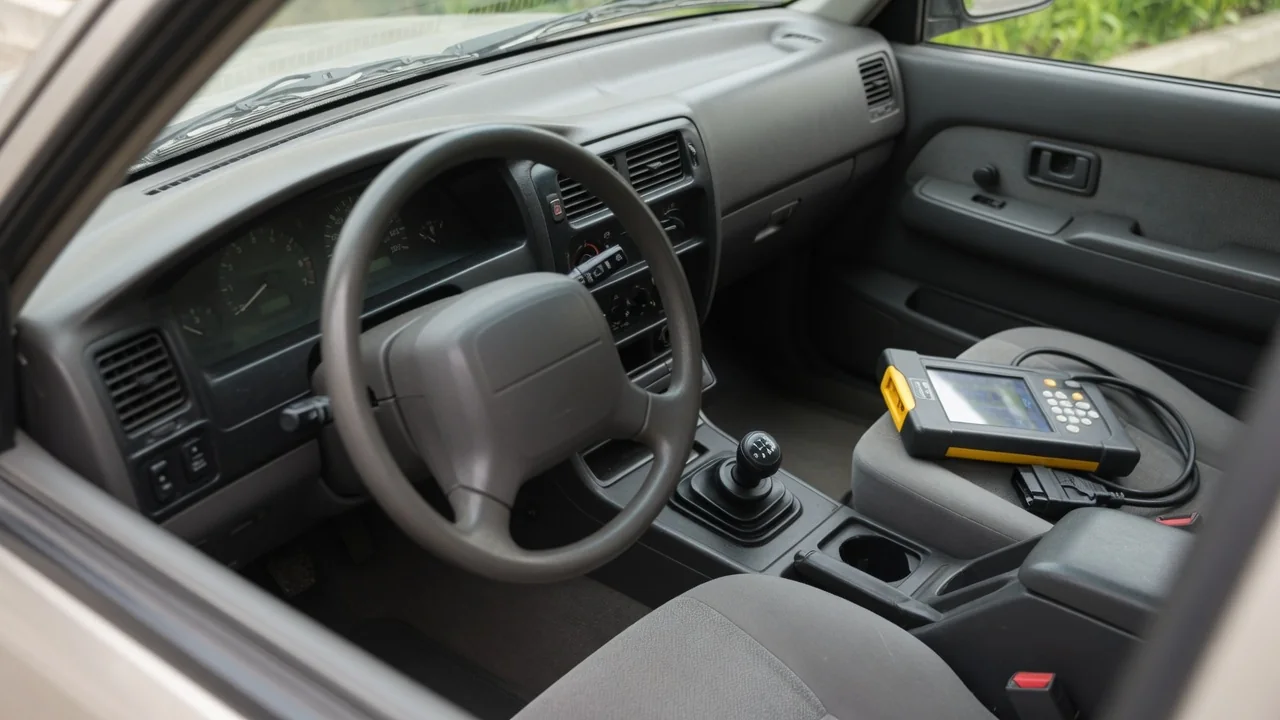
A P2771 fault code points to trouble in the four-wheel-drive low switch circuit, a signal path that tells your vehicle's control modules whether the transfer case is in low range. Without reliable range information, modules may react incorrectly to driver selections, triggering warning lights or limiting available modes. The code appears when monitored voltage or resistance from the circuit falls outside expected values, but many conditions can cause this. Understanding what the signal does, how symptoms show up, and which components may be involved helps you plan safe checks before a service visit.
What P2771 Means for Your Vehicle
P2771 is commonly described as a four-wheel-drive low switch circuit code, but its exact definition can vary depending on the vehicle's year, make, model, and drivetrain configuration. Some systems use a dedicated low-range switch on the transfer case, while others derive the range signal from a position sensor or an integrated actuator. The code generally indicates that the powertrain or transfer case control module detected an implausible, missing, or out-of-specification signal from this circuit when comparing it to expected values for the current operating state.
The low-range signal informs relevant control modules about transfer case range status so they can adjust torque distribution, shift logic, or instrument cluster indications. Signal sources and monitoring logic depend on the vehicle, meaning a comparable code may require distinct diagnostic steps across platforms. Importantly, a circuit code alone does not identify a failed switch or establish internal transfer case damage. It only shows that the module observed an electrical value outside its programmed range, which could stem from wiring, connections, or the switch itself.
Symptoms and Transfer Case Mode Concerns
Possible symptoms are conditional and vary by system. You may see a check engine light, a 4WD or service light, or an unexpected low-range indicator on the dash. Some vehicles might alert you that the transfer case mode cannot be confirmed. Difficulty selecting a transfer case mode can also appear, especially if the control module prevents engagement while the range signal is unclear. However, an indicator alone cannot establish mechanical engagement; the displayed mode, requested mode, and actual range may require separate verification through a scan tool and mechanical checks.
When deciding whether driving is appropriate, avoid relying on uncertain 4WD operation. If the system cannot confirm low range, it may not activate the correct drivetrain behavior, which could increase stress on components or reduce traction when you expect it. Stop safely if you notice binding, severe noises, or unpredictable engagement during a mode change. Driving with a questionable transfer case state can worsen internal wear, so treat any unusual behavior as a reason to pull over and have the vehicle assessed rather than continuing to operate at highway speeds.
Switch, Wiring, and Module Fault Possibilities
A faulty low-range switch or the vehicle's specified range-signal source could produce an invalid input. The switch often connects a wire to ground or changes resistance when the transfer case shifts into low, and internal wear, contamination, or mechanical misalignment can cause the module to read an incorrect value. If the signal source is a sensor or actuator with an integral position output, a failed internal element could create the same code. Testing must compare actual signal values to the service manual's expected range for the selected mode.
Circuit issues are equally common. Damaged wiring, corrosion, loose connections, or an interrupted power or ground path where applicable can change the voltage the module sees. Chafed harnesses near the transfer case or body, water intrusion into connectors, or improper previous repairs can all create intermittent contact. Module input or communication problems require supporting test results; P2771 does not justify replacing a control module by itself. Mechanical range-selection issues should be considered only conditionally based on the vehicle's diagnostic procedure and observed symptoms, not assumed from the code alone.
Safe Observations Before a Service Visit
Before clearing anything, record the full scan-tool description, all stored codes, and available freeze-frame information. Freeze-frame data captures sensor and status readings at the moment the code was set, which can reveal whether the transfer case was in a specific mode, vehicle speed, or other relevant conditions. This evidence helps a technician understand whether the fault occurred during a shift attempt or while driving normally. Do not erase codes until this information is saved, because clearing removes the stored snapshot and may reset readiness monitors.
Make notes about when the warning appeared, the selected mode, indicator behavior, and any recent electrical or drivetrain work. If the light came on after towing, off-road use, or battery replacement, that context matters. Limit visual observations to accessible areas with the vehicle parked securely and switched off. Do not crawl underneath, probe circuits, or bypass switches; modern wiring can be easily damaged, and live electrical testing requires the ignition on, which creates risk. Direct readers to the owner's manual for mode-selection requirements and discourage repeated attempts to force an unresponsive range change.
Professional Testing and Repair Confirmation
A technician begins by using vehicle-specific service information, wiring diagrams, and related codes to establish a diagnostic path. Other stored codes can indicate shared power supplies, communication faults, or transmission range sensor problems that affect interpretation. With the proper diagrams, the technician identifies the exact circuit and connector locations, narrowing where to inspect without guessing. Comparing measured range-status data against the expected values from the scan tool helps determine whether the module is receiving a believable signal at all.
The professional then checks range-status data and circuit integrity under the specified conditions, without jumping to a component replacement. This may include observing live data while shifting through modes on a lift or with wheels safely supported, monitoring voltage or resistance at the connector, and performing continuity checks. All testing must follow the manufacturer's safety procedures. Switch, wiring, or module repair should proceed only after a confirmed fault, and any programming requirements must be established for the particular vehicle, since some modules need initialization. Successful verification means consistent range reporting and operation, followed by the prescribed code recheck; clearing the code alone does not confirm a repair.