P2711 Code: Unexpected Mechanical Gear Disengagement Explained
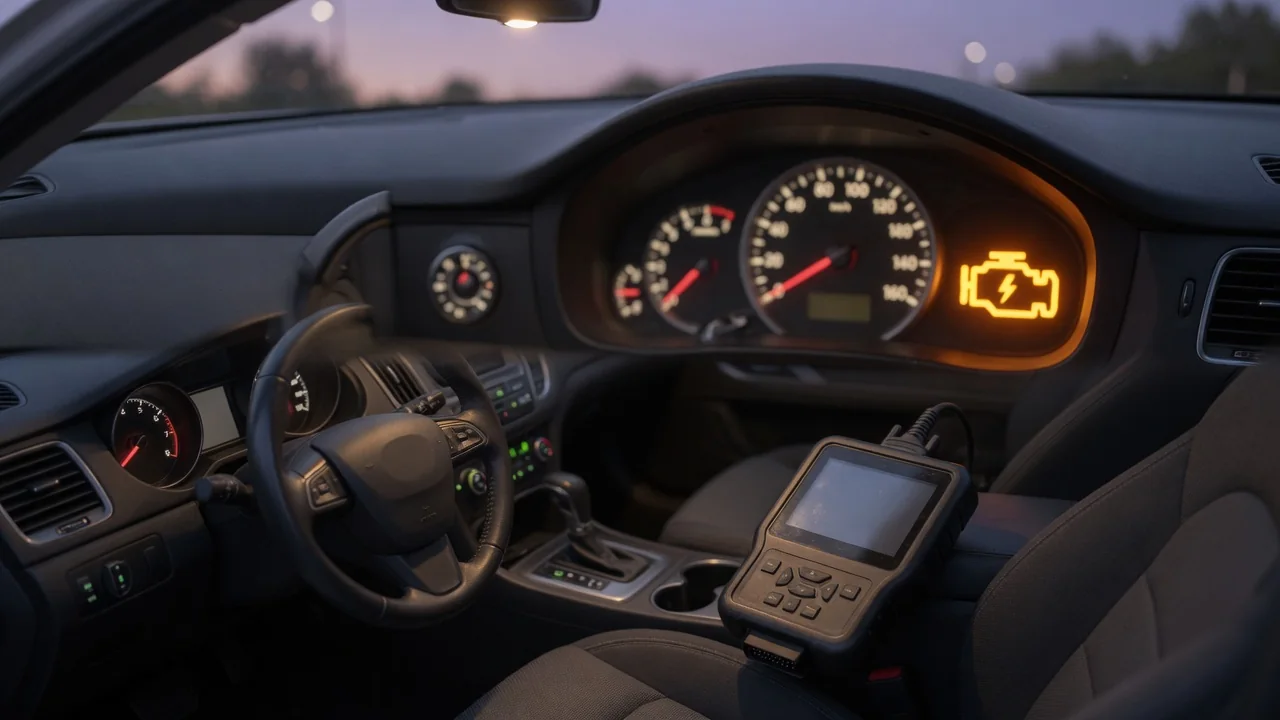
A P2711 code indicates the transmission controller has detected an unexpected mechanical gear disengagement, meaning a gear or clutch stopped holding when it should have remained applied. Drivers may notice the engine revving without acceleration, a sudden neutral sensation, or harsh re-engagement. While the code sets the check engine light, it does not identify the root cause. Both mechanical wear and control-system faults can produce this condition, so accurate diagnosis requires checking manufacturer-specific definitions and testing before replacing parts.
What the P2711 Code Means and Why the Exact Definition Must Be Verified
P2711 is commonly described as 'Unexpected Mechanical Gear Disengagement.' This means the transmission module saw a gear or clutch stop holding when it was supposed to stay applied. The controller infers the disengagement by comparing input and output shaft speeds, or engine and output speed, against the ratio expected for the commanded gear. If the actual ratio deviates from the expected value, the module concludes that a mechanical element slipped or released.
Because detection logic and wording vary by manufacturer, you must check the exact meaning and setting conditions for your make, model, year, and transmission in service information before drawing conclusions. The code records a detected condition, not a confirmed failed part. There is no universal cause or one-part fix. Treat P2711 as a starting point for diagnosis, not a final answer.
Symptoms Drivers May Notice When a Gear Disengages Unexpectedly
When a gear disengages unexpectedly, drivers typically report an engine flare or revving without acceleration, a sudden feeling of neutral, delayed or harsh re-engagement, and slipping during a shift. The vehicle may feel like it has lost power momentarily, then lurch back into gear. In some cases, the transmission goes into a failsafe or limp mode, limiting available gears and illuminating a warning light or transmission message on the dash.
Symptoms can be intermittent and may only appear under certain conditions, such as a cold or hot transmission, heavy load, or specific shifts. Noting those conditions helps diagnosis. Losing drive unexpectedly while merging, climbing, or in traffic is dangerous. Limit driving until the vehicle has been inspected to avoid being stranded or causing an accident.
Fluid-Related Causes Behind P2711
Low, degraded, aerated, or incorrect transmission fluid can reduce hydraulic pressure, so a clutch or band cannot hold. Fluid that is old or contaminated may lose its ability to transfer force, leading to slipping and unexpected disengagement. Aerated fluid, often caused by overfilling or a pickup tube leak, is compressible and reduces pressure. Using the wrong fluid can also affect friction characteristics and pressure.
The correct fluid type and check procedure are specific to each vehicle. Many modern transmissions need a temperature-controlled check and have no dipstick, so follow the manufacturer procedure or have a shop do it. You can safely look for fluid spots under the vehicle or a burnt smell, but fluid condition alone cannot confirm or rule out internal damage. Avoid guessing at top-offs or additives; wrong fluid or level can worsen shift quality.
Mechanical Transmission Faults That Can Trigger the Code
Possible internal mechanical causes include worn clutch packs or friction material, damaged seals or pistons, valve body wear, and torque converter problems. Worn clutch plates may slip under load, while a faulty seal can leak pressure away from a clutch piston. A worn valve body can cause pressure loss in a specific circuit, and a failing torque converter clutch can cause shudder or slip that appears as disengagement.
These causes can only be confirmed through professional pressure testing, road-test data review, or teardown inspection. Never assume a specific internal part has failed based on the code alone. Engine or driveline issues outside the transmission, such as a misfiring engine or a slipping transfer case, can sometimes mimic transmission slipping. A full diagnosis is essential to avoid unnecessary transmission repairs.
Electrical and Control-System Causes to Rule Out
Faulty speed sensor signals, wiring or connector problems, and shift or pressure-control solenoid faults can cause false or real disengagement readings. If the input shaft speed sensor or output shaft speed sensor sends an incorrect signal, the controller may calculate an implausible ratio and set the code. A solenoid that sticks or leaks can also prevent a clutch from applying fully, creating a genuine disengagement.
Software calibration or adaptive shift learning can affect shift behavior. Some manufacturers publish updates or relearn procedures to correct shift quality, but this should be confirmed for the specific vehicle. Note any other stored codes, such as sensor, solenoid, communication, or voltage codes, because these can point toward a control-side cause. A weak battery or charging-system problem can also cause erratic module behavior and should be ruled out before assuming internal damage.
What Owners Can Safely Check Before Visiting a Shop
Before visiting a shop, read and record all codes and freeze-frame data with a scan tool. Freeze-frame data captures operating conditions when the code set, such as engine speed, vehicle speed, and temperature. Do not clear codes before a technician has seen them, as that data is valuable for diagnosis. Keep a simple log of when the problem happens: temperature, speed, gear, load, and whether the vehicle was accelerating or cruising.
Look for visible leaks or damaged wiring near the transmission only when the vehicle is parked safely and cool. Do not disassemble anything or work under a vehicle that is not properly supported. Clearing the code without fixing the cause usually just means it returns, and it may hide useful diagnostic data. A record of symptoms and conditions helps the technician reproduce the fault.
When Professional Diagnosis Is Needed and What to Expect
Repeated slipping, neutraling out, or limp mode needs professional testing soon. Continued driving may lead to further internal damage, turning a minor repair into a major overhaul. Professional diagnosis typically includes a live-data road test, checking fluid level and condition with the correct procedure, electrical circuit tests, pressure tests, and checking for software updates. These tests identify whether the cause is mechanical, hydraulic, or electronic.
Repairs can range from minor electrical or software fixes to major internal work, depending on what testing finds. Ask the shop to explain the evidence behind its diagnosis, such as pressure readings or sensor waveforms. Check warranty or coverage status with the manufacturer or dealer; some issues may be covered by a recall, extended warranty, or goodwill program. Do not approve major work without understanding the failure.