P2700–P2705: Transmission Friction Element A–F Apply-Time Codes
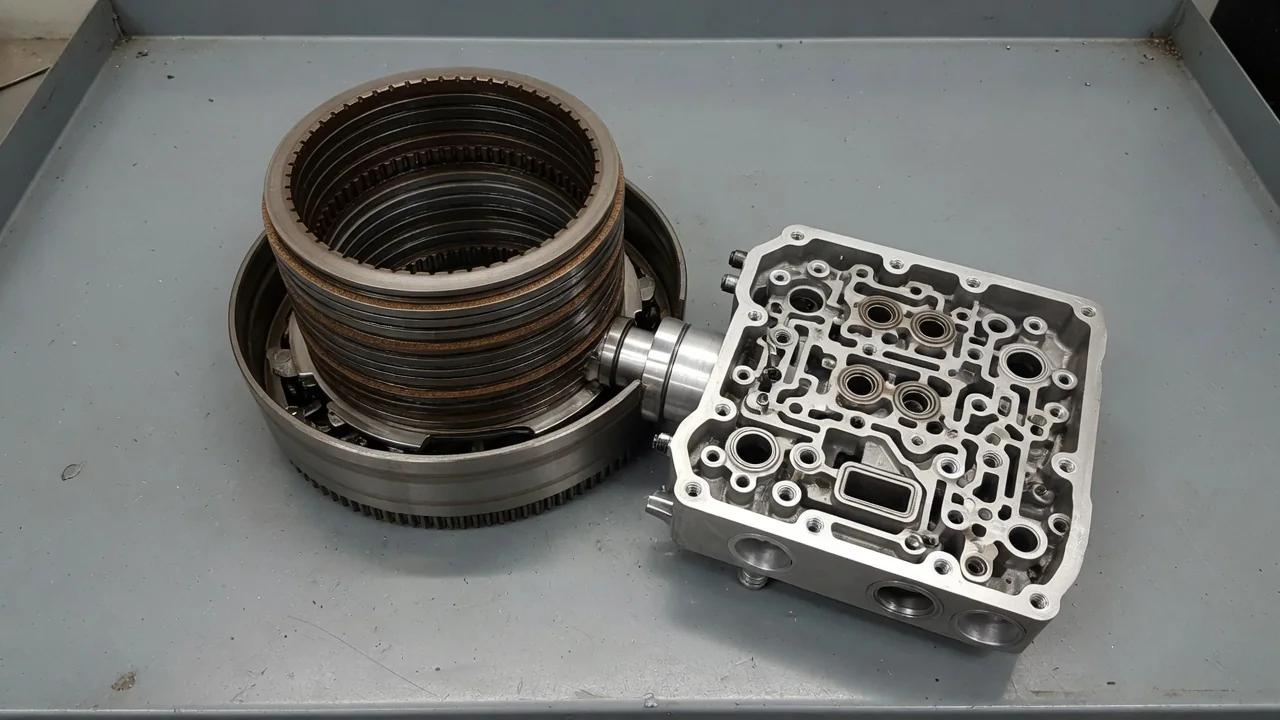
P2700 through P2705 are transmission diagnostic trouble codes that report a friction element apply-time range or performance problem for elements A through F. A P2701, P2702, P2703, P2704, or P2705 result is evidence that engagement timing did not match the transmission control module's expected window, not proof that a particular clutch pack or transmission band has failed. Confirm the vehicle-specific definition before acting on the stored code.
What P2700–P2705 Identify
P2700 identifies friction element A apply-time range/performance. P2701 identifies element B, P2702 identifies C, P2703 identifies D, P2704 identifies E, and P2705 identifies F. Those A-F labels are diagnostic element designations, not a universal map of which clutch pack or transmission band is involved. The same P2701 or P2704 result can refer to different hardware across gearbox families, so confirm the exact definition and diagnostic criteria for the vehicle and transmission before interpreting the fault.
Even after the label is confirmed, a P2700, P2702, P2703, or P2705 result only reports that the controller observed apply-time performance outside its expected range. It does not establish which component has failed. Identifying the actual clutch or band behind element A, B, C, D, E, or F requires transmission-specific service information that maps those designations to hardware. Until that mapping and the test criteria are in hand, the code remains a performance observation rather than a parts diagnosis.
How Friction Element Apply Time Affects a Shift
During a commanded shift, hydraulic pressure applies a clutch pack or transmission band so it can hold or connect rotating components. Friction element apply time is the monitored engagement response: how quickly and completely that element comes on after the command. The precise measurement method and acceptable limits are set by the transmission control strategy for that gearbox, not by a generic rule. Speed signals and commanded operation help the controller judge whether engagement occurred as expected without directly proving physical wear of the friction material.
A range/performance fault means the observed response fell outside expected criteria. That can include an engagement that was slower than intended, faster than intended, inconsistent, or incomplete relative to the strategy. Interpreting every P2701 or P2700 as a slow application is therefore incorrect. The transmission control module compares commanded hydraulic events with turbine, output, and related speed behavior; a mismatch can appear even when the clutch still holds after the shift is complete. The code describes the timing window, not a confirmed mechanical failure.
Shift Symptoms and Reasons to Stop Driving
Drivers may notice delayed engagement, harsh shifts, engine-speed flare during a shift, clutch slip, or a transmission warning lamp. Those signs can change with temperature and operating conditions, so a cold-start delay may not match warm-highway behavior. A stored P2702, P2703, or P2704 may also sit in memory with no obvious current symptom if the condition was intermittent. Symptoms alone cannot identify a specific friction element, because several clutches and bands share the same hydraulic circuit and control logic during overlapping shifts.
If the vehicle loses drive, shows severe slipping, displays an overheating warning, or leaves a substantial fluid leak, stop safely and arrange professional assistance. Continued operation in those conditions can damage remaining friction material and contaminate the valve body. Mild harshness or a single delayed shift does not, by itself, prove that driving is either safe or unsafe. Only a technician with the current codes, freeze-frame data, and transmission-specific tests can judge whether the apply-time fault still allows normal hydraulic pressure control.
Fluid, Hydraulic Control, and Internal Wear Causes
An incorrect transmission fluid level, an unsuitable fluid, or aeration can disrupt hydraulic pressure so a clutch or band does not apply as commanded. Dark or burnt-looking fluid is a useful observation, but appearance alone cannot confirm the cause of a P2705 or P2701 apply-time fault. Shift solenoid problems, valve-body wear, stuck valves, and internal hydraulic leakage can all change pressure delivery and engagement timing. None of those hydraulic-control issues should be treated as universally common; they are candidates that need supporting test results.
Worn friction material in a clutch pack or transmission band, and internal sealing problems such as leaking pistons or degraded seals, can also produce an apply-time range/performance result. Those internal wear paths require hydraulic and mechanical evidence, not assumption from the code number. Electrical or input-signal faults, including solenoid circuit issues, speed-sensor errors, or related transmission control module inputs, belong in the discussion when companion codes and vehicle-specific diagnostics support them. Presenting any single cause as the usual explanation for P2700 through P2705 is not justified without that supporting data.
Safe Observations to Record Before Service
Before anything is cleared, record the vehicle details, every stored and pending code, and any freeze-frame data captured when the apply-time fault set. Freeze-frame information can show gear, temperature, speed, and load at the moment P2700 or P2703 was stored. Note whether symptoms appear cold or warm, on initial engagement from park or reverse, or during a particular upshift or downshift in ordinary driving. Do not deliberately provoke clutch slip to confirm the complaint; that can add heat and wear without producing useful diagnostic evidence.
Look for fresh transmission fluid spots where the vehicle was parked, without crawling underneath or touching hot components. A small stain is worth reporting; it does not prove the leak caused the apply-time code. Fluid level and condition checks are transmission-specific and may require a controlled temperature, a running engine, or specialist access that a dipstick-style check does not provide. Follow the approved procedure in the service information, or have a technician perform the inspection, rather than guessing at level from an unmarked housing or a cold overnight reading.
How Professional Testing Establishes the Repair
Professional testing starts by reviewing companion codes, service information, and scan data so the affected friction element can be tied to the operating conditions that set P2701, P2702, or P2704. Electrical checks of solenoids and sensors, hydraulic pressure testing, and commanded-operation tests may all be needed; the procedures are selected for the exact transmission, not borrowed from another family. That work connects the diagnostic designation A through F with the clutch or band the manufacturer actually monitors, and it separates a control-side pressure problem from an internal apply problem.
Fluid service, shift solenoid replacement, valve-body work, or internal clutch and band repairs require diagnostic evidence. A P2700-P2705 code alone does not justify a parts recommendation. After repairs, verification includes checking that apply-time codes do not return and that shifts remain consistent under the conditions that previously set the fault. If the transmission control module uses an adaptation or relearn, that step must follow applicable service information rather than a generic reset. That confirmation is what completes the repair.