P2646 and Related Rocker Arm Actuator Codes: Symptoms and Diagnosis
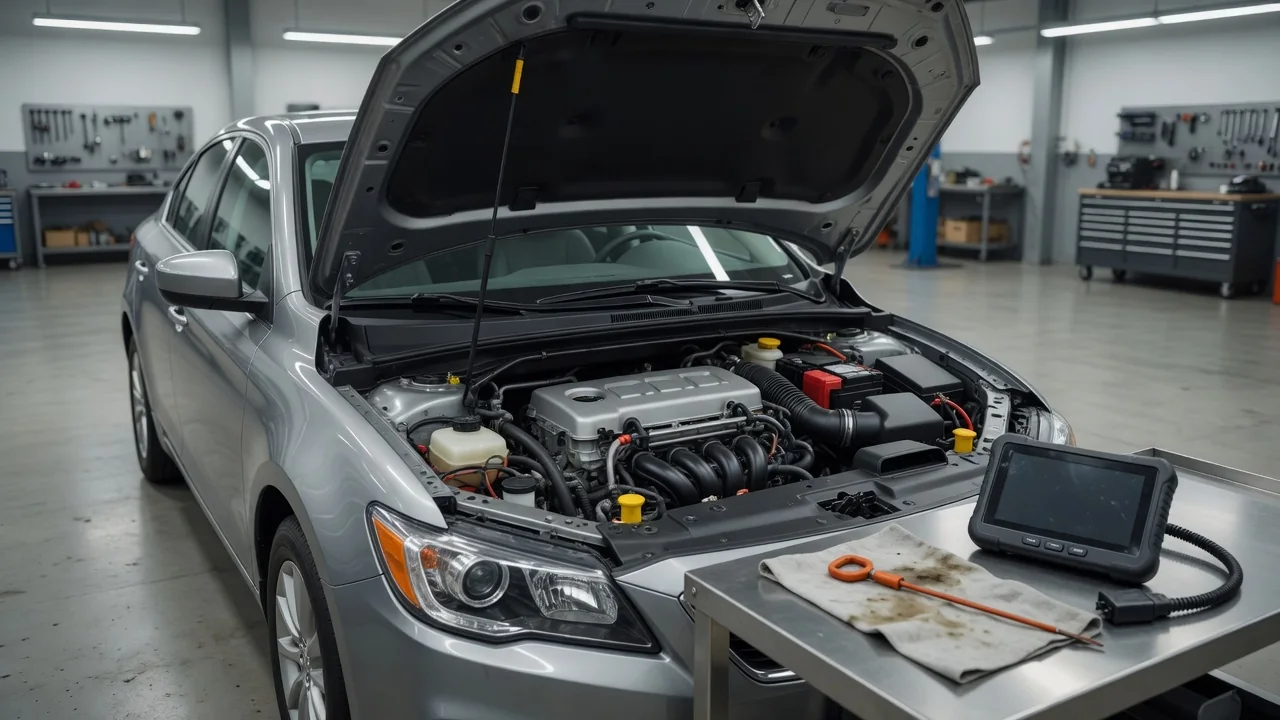
A P2646 code means the engine computer detected a problem in a rocker arm actuator system. On some engines, this oil-operated hardware switches valve lift or timing. Related codes such as P2645, P2647, P2649, P2651, P2652, and P2654 belong to the same family, but each can describe a different circuit, bank, or condition. Knowing what each code records, and what it doesn't prove, keeps diagnosis focused and helps you avoid replacing parts you don't need.
Confirm What P2646 Means for the Vehicle
Before you interpret a P2646 code, confirm its definition in the service information for the exact year, make, model, and engine. A generic code description is only a starting point, because manufacturers assign actuator letters, bank designations, and detection logic differently. On engines that use oil pressure to engage a rocker arm mechanism, a solenoid or oil control valve sends pressurized oil to pins that lock rocker arms together, which changes how the valves open. Honda's VTEC is the best-known example, but you should only think in those terms for engines that actually have such a system.
A stored code means the engine control module saw an operating condition outside its expected range. For example, a pressure switch reading may not have matched what the module commanded. The code doesn't identify which part failed. Before anyone clears it, record every stored and pending code along with the freeze-frame data. That snapshot captures engine speed, coolant temperature, load, and vehicle speed at the moment the fault set. It often shows whether the problem appears cold, hot, or under load, and clearing codes early erases that evidence.
Recognize P2646 Symptoms and Decide When to Stop Driving
P2646 symptoms vary by vehicle and by what triggered the code. Common reports include a check engine light, weaker acceleration at higher engine speeds, hesitation, or an engine that seems reluctant to rev, because some control modules limit actuator operation after they detect a fault. Other vehicles show little change beyond the warning light. These symptoms overlap with many unrelated drivability problems. They can't tell you whether the cause is the oil supply, the electrical control side, or the mechanical rocker arm assembly itself.
Some situations call for stopping instead of driving on to your destination. Pull over where it's safe and shut the engine off if the oil pressure warning comes on, if you hear loud ticking, knocking, or clattering from the engine, or if the engine stumbles badly. Running with too little oil pressure can quickly cause serious internal damage. If reduced power makes merging, climbing hills, or keeping up with traffic unsafe, arrange a tow or professional help. Don't count on being able to drive any particular distance safely.
Check Oil Level and Document Useful Clues
Oil-operated rocker arm systems depend on the engine's lubrication supply, so checking the engine oil level is a sensible first step. Park on level ground, shut the engine off, and wait for the time specified in the owner's manual so oil can drain back to the pan before you read the dipstick. Confirm that the oil is the grade the manufacturer specifies, because viscosity affects how quickly pressure builds in the actuator passages. Top off only to the correct mark. Overfilling can aerate the oil and cause pressure and running problems of its own.
Write down when the oil was last changed, what oil was used, and whether you see leaks around the valve cover, filter, or drain plug. Note whether the warning first appeared right after a cold start, after the engine warmed up, or during hard acceleration. Keep in mind that a normal dipstick reading doesn't prove the engine produces enough oil pressure while running. Clean-looking oil also can't show whether internal passages, screens, or small openings are partly blocked by sludge or debris.
Interpret P2645 and P2649 Control Circuit Findings
In many code definitions, a P2645 code or P2649 code concerns the electrical side of a rocker arm actuator rather than its hydraulic performance. Still, verify the exact wording, actuator letter, and bank for the specific engine. A control circuit code typically means the module saw electrical behavior that suggests an open circuit, a short, or an out-of-range signal when it commanded the actuator. That points to the whole circuit path, including the wiring, connectors, the module's driver circuit, and the solenoid winding. It doesn't prove the solenoid is defective.
Possible causes include a corroded or loose wiring connector, wires rubbed through near hot or moving parts, an internal electrical fault in the actuator, or a power or ground problem shared with other circuits. With the engine off and fully cool, an owner can check easy-to-reach areas for obvious damage, oil inside connectors, or unplugged connectors. Leave voltage measurements, resistance checks, and commanding the actuator with a scan tool to qualified technicians who follow the manufacturer's wiring diagrams.
Understand P2647, P2651, P2652, and P2654 in Context
A P2647 code, P2651 code, P2652 code, or P2654 code each needs its own definition check. These numbers can refer to different rocker arm actuators, banks, or failure modes, and the hardware isn't identical across engines. Some definitions describe a system that appears stuck on. Others describe a stuck-off condition, a performance problem, or a circuit fault on a second actuator. You can only describe a code as a stuck, sluggish, or electrical problem after the verified definition confirms that meaning for your vehicle.
Technicians often compare what the module commanded with the feedback it received. On systems with an oil pressure switch, the switch should change state when the oil control solenoid opens and pressure reaches the rocker arm circuit. If the module sent a command and the switch didn't respond, possible causes include low oil pressure reaching the actuator, a blocked passage, a sticking solenoid, a faulty switch, or a wiring problem. Each is only a possibility where the vehicle's design and diagnostic procedure support it. Further testing decides which one applies.
What Professional Testing Should Establish Before Repairs
A sound diagnosis starts with the recorded codes, freeze-frame data, and the conditions under which the fault appears. From there, the technician follows the manufacturer's procedure for that specific code. Scan data showing the commanded actuator state, pressure switch status, engine speed, and oil temperature helps them reproduce the fault. If the results point toward oil supply, an oil pressure test with a mechanical gauge checks the actual pressure. If the data suggests an electrical or component fault, circuit checks and actuator or pressure switch tests narrow down the cause.
Checking for clogged screens, blocked passages, or mechanical rocker arm problems usually means taking parts of the engine apart. It should follow the earlier test results, not replace them. Parts should be replaced only when the evidence supports it, and clearing a code without a repair proves nothing. After a repair, a technician typically clears the codes and runs the engine through conditions that activate the actuator safely. They then confirm that the self-tests complete and no code returns. Watching the vehicle over several drive cycles helps confirm the fix held.