P2614, P2616 and P2617 Codes: Cam and Crank Position Output Circuit Faults
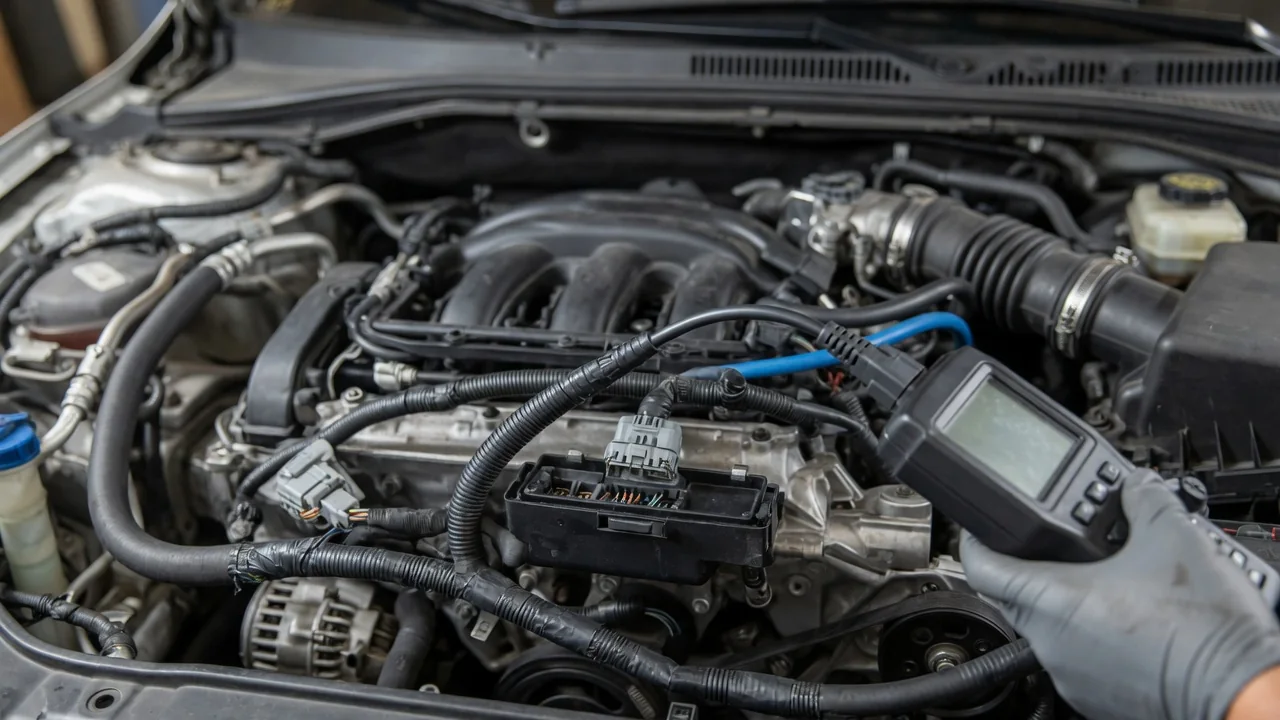
A P2614, P2616, or P2617 code indicates a problem with the camshaft or crankshaft position signal output circuit, not the sensor input itself. The powertrain control module (PCM) generates these signals and sends them to other modules, so a fault can cause a check engine light, no-start, or engine misfire. These codes are often misunderstood and can lead to unnecessary sensor replacement. Understanding the difference between input and output circuits helps focus diagnosis on wiring, connectors, or receiving modules.
What the P2614 Code Means: Camshaft Position Signal Output Circuit
The P2614 code is a generic powertrain code that indicates a fault in the camshaft position signal output circuit. This means the PCM is unable to properly send a camshaft position signal to other control modules. However, the exact definition and set conditions can vary by manufacturer, model, and engine. Some vehicles may use this code for a different fault or have a manufacturer-specific code that supersedes it. Therefore, you must confirm the meaning for your specific vehicle in factory service information or with a manufacturer-level scan tool before acting on the code.
Unlike a camshaft sensor input code, which means the PCM cannot read the sensor correctly, an output circuit code means the PCM has generated a signal but there is a problem with the circuit carrying that signal to other modules. This could be due to an open circuit, a short to ground or voltage, or a signal that is out of range. Before clearing the code, record the freeze frame data and any companion codes. This information can help identify the conditions under which the fault occurred and guide further diagnosis.
What the P2617 Code Means: Crankshaft Position Signal Output Circuit High
The P2617 code indicates that the crankshaft position signal output circuit is reading higher than expected. However, the exact wording and set conditions vary by manufacturer. In plain terms, a circuit-high fault suggests that the voltage on the signal wire is above the normal operating range. This could be caused by a short to voltage, where the signal wire is touching a power source, or an open circuit that allows the signal to float high. However, you should not assume a specific cause without testing the circuit.
Even if the PCM is correctly reading the crank sensor input, the shared output signal may be faulty. This is because the output circuit is a separate path from the input circuit. The PCM may be generating a good signal based on a good input, but the signal is being corrupted as it travels to other modules. Therefore, checking vehicle-specific service information is essential to understand what 'high' means on that platform and how the circuit is designed.
What the P2616 Code Means: Crankshaft Position Signal Output Circuit Low
The P2616 code indicates that the crankshaft position signal output circuit is reading lower than expected. As with other output circuit codes, the exact definition must be checked for the specific vehicle. A circuit-low condition can point to a short to ground, where the signal wire is touching a ground source, or a loaded circuit, where a receiving module or component is drawing too much current and pulling the voltage down. This distinction matters because the repair approach differs.
P2616 and P2617 are separate codes for the same output circuit because they represent opposite fault directions. A high reading suggests the voltage is excessive, while a low reading suggests it is insufficient. If P2614, P2616, or P2617 set together, it may indicate a more complex issue, such as a wiring harness that is intermittently shorting or a receiving module that is malfunctioning. However, this is only a possibility that needs testing, not a conclusion.
How Output Circuit Codes Differ From Cam and Crank Sensor Input Codes
Sensor input circuit codes, such as those for a camshaft or crankshaft position sensor circuit, indicate that the PCM is unable to read the sensor correctly. This may be due to a faulty sensor, wiring issue, or interference. In contrast, output circuit codes indicate that the PCM is generating a signal but there is a problem with the circuit that carries that signal to other modules. This means the fault lies downstream of the PCM, often in the wiring, connectors, or receiving modules.
Replacing a cam or crank sensor usually does not address an output circuit fault because the sensor is not part of the output circuit. The sensor provides input to the PCM, which then generates an output signal. If only output codes are stored, the sensor is likely functioning correctly. To tell where diagnosis should start, review the entire code list. If both input and output codes are stored, the issue may be more widespread. Avoid using generic online code lists to decide which part to replace; instead, consult factory service information.
How the PCM Shares Cam and Crank Position Signals With Other Modules
Some vehicles send engine position or speed signals from the PCM to other modules over a dedicated wire instead of a data network. This is because the signal needs to be immediate and uninterrupted, which is critical for functions like anti-lock braking, traction control, or instrument cluster display. Using a dedicated wire ensures low latency and avoids network congestion. The specific modules that receive this signal depend on the vehicle's design.
Common receiving modules may include the transmission control module, anti-lock brake module, instrument cluster, or body control module. A fault in a receiving module or its connector can pull the shared circuit high or low, which the PCM detects as an output circuit fault. Therefore, before assuming a fault location, use the vehicle's wiring diagram to trace the output circuit and identify all components connected to it. This will help isolate the problem.
Wiring, Connector and Module Causes Behind P2614, P2616 and P2617
General cause categories for P2614, P2616, and P2617 include damaged or chafed harness wiring, corroded or loose connectors, backed-out terminals, faults in a receiving module, and less commonly a PCM fault. Wiring damage can occur from heat, vibration, or impact, while connectors can corrode due to moisture or age. Backed-out terminals may result from improper handling during previous repairs.
Perform safe visual checks with the engine off, looking for obvious harness damage, signs of moisture, or recent repair work near the circuit's route. Intermittent wiring faults can make these codes come and go, and clearing codes without a repair is not a fix because the underlying problem remains. PCM or module replacement should only follow proper circuit testing, and some modules may need programming by a qualified shop.
Symptoms, Drivability Risks and When to Get Professional Testing
Possible symptoms of these output circuit codes include a check engine light, possible no-start, stalling, misfire-like behavior, or other modules acting up. However, some vehicles may show no drivability change because the output signal is not always critical for engine operation. If the engine stalls, hesitates badly, or won't start reliably, avoid driving because sudden power loss in traffic is a safety risk.
No-start or misfire symptoms may come from related sensor input faults or other stored codes rather than the output code alone. Professional diagnosis is needed for circuit testing with a wiring diagram, oscilloscope checks, or module-level scan data. Do not attempt step-by-step electrical probing or repair instructions without proper knowledge and equipment.