P2520 Code: A/C Request Circuit Fault Explained
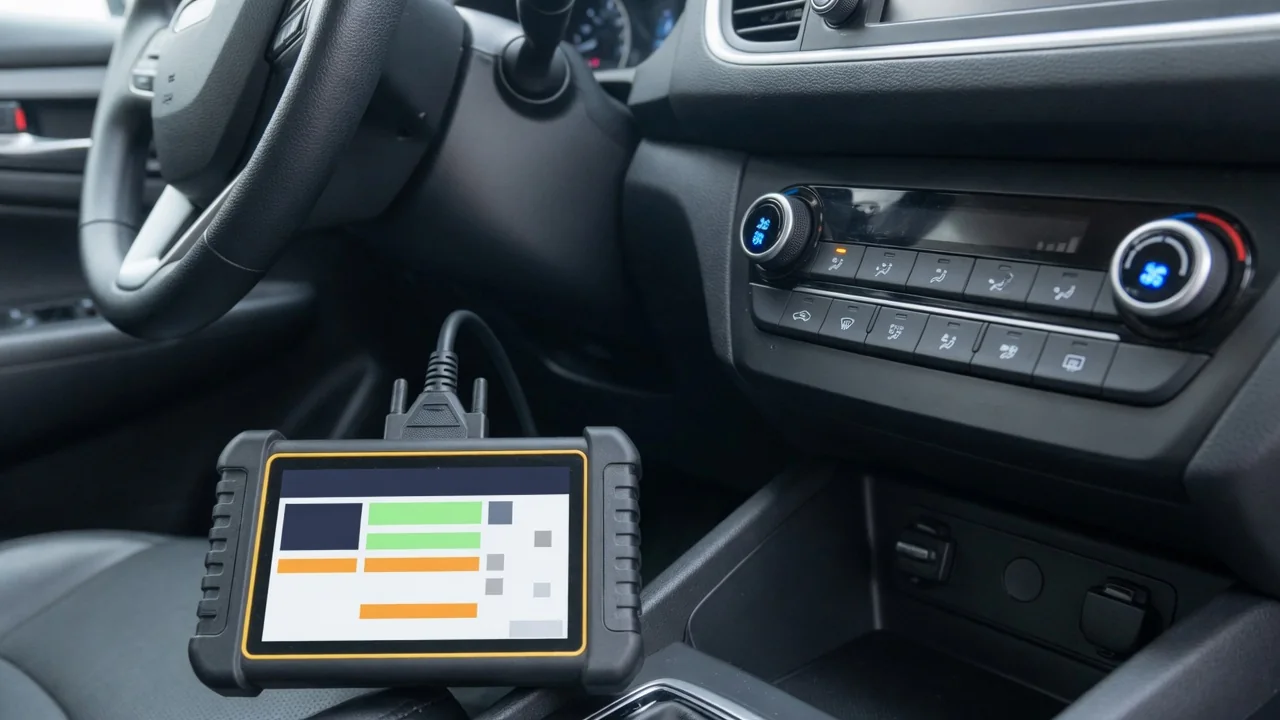
A P2520 code indicates that the control module has detected an unexpected signal on the air conditioning request circuit, which is the pathway that tells the engine or powertrain control module when the driver has asked for A/C. This fault can cause the compressor not to engage, the A/C to cut in and out, or simply a check engine light. The circuit design and the conditions that trigger the code vary by manufacturer, so always confirm the exact definition for your vehicle before acting.
What P2520 Means and Why the Definition Can Vary
In most vehicles, the A/C request begins at the climate control switch or head unit. When the driver presses the A/C button, a signal travels to the engine control module or powertrain control module, which then decides whether to engage the compressor clutch based on system pressures and engine load. On some cars, this request is a simple voltage change on a dedicated wire; on others, it is a data message sent over a network. The module monitors this signal continuously and sets P2520 when it sees something outside the expected range or timing.
The code points to an electrical signal problem on the request circuit, not a mechanical failure of the compressor or a refrigerant leak. If the module cannot reliably tell that A/C is requested, it may not command the compressor on, but the compressor itself could be perfectly sound. Manufacturer-specific definitions matter here: one model may set P2520 for an open circuit, while another sets it for a short or a signal that conflicts with other data. Always verify the code description in factory service information, because the same code number can mean different things on different platforms.
Common Symptoms Drivers May Notice
The most common symptom is a check engine light, often accompanied by A/C that refuses to engage or that works only intermittently. You may press the A/C button and hear no click from the compressor clutch, or the air may blow warm until you cycle the ignition. On some vehicles, the system will work normally until the fault returns, making the problem frustrating to reproduce. Because the request circuit is separate from the refrigeration side, the blower fan and air distribution usually continue to operate even when the A/C is disabled.
Some drivers notice no symptom beyond the stored code, especially if the fault is intermittent or if the module defaults to a safe mode that still allows A/C operation under certain conditions. A vehicle-dependent side effect can be idle speed behavior: normally, the engine control module raises idle slightly when A/C is requested to compensate for compressor load, but if the request signal is missing, idle may not adjust. Pay attention to when symptoms appear—cold start, hot weather, bumps, after rain—because this context helps a technician isolate the cause.
Possible Causes in the A/C Switch, Wiring and Control Modules
A faulty A/C switch or climate control panel is a logical starting point because it generates the request signal. Over time, contacts inside the switch can wear or accumulate debris, producing an intermittent or incorrect output. In vehicles where the request comes from a touchscreen or automatic climate module, a software glitch or failed input circuit can have the same effect. The switch may feel normal while the module sees a signal that is too weak, too noisy, or absent, so physical appearance is not a reliable test.
Wiring problems are common in the request circuit because the harness often runs through tight areas near the dash and engine bay. Damaged insulation, chafed harnesses, corroded or loose connectors, and poor grounds can all distort the signal. A high resistance connection may allow the circuit to look functional on a simple test but fail when current flows, leading to an intermittent P2520. Less commonly, the climate control module, body control module, or engine/powertrain control module itself may have a fault or software issue that misinterprets the input. Related A/C inputs like pressure sensor readings or network communication faults can also affect how the request is judged, so they should be checked.
Safe Checks Owners Can Do Before a Shop Visit
Start by reading all stored and pending codes with an OBD-II scanner and saving the freeze frame data before clearing anything. Freeze frame records the operating conditions at the moment the code was set—engine temperature, rpm, vehicle speed, and sometimes A/C switch status—which can reveal whether the fault occurred at idle, during acceleration, or under another repeatable condition. Clearing the code and watching whether it returns can also help, but it does not fix the underlying problem; the code may take several drive cycles to reappear.
Perform a careful visual inspection of accessible wiring and connectors near the climate controls and along the path to the engine compartment. Look for obvious damage such as melted insulation, green corrosion on pins, or a connector that is not fully seated. Do not probe live circuits or disconnect modules if you are unsure of the procedure, because modern electronics are sensitive to static and short circuits. If other codes are present, especially network communication or A/C pressure-related codes, note them: they can change the diagnostic path and often point to a shared power or ground issue.
How Professional Diagnosis of the A/C Request Circuit Works
A technician will typically connect a scan tool and watch the A/C request status in live data while operating the A/C switch. On many vehicles, the scan tool shows whether the module is receiving the driver’s request, whether the module is commanding the compressor on, and whether all enabling conditions are met. By toggling the switch repeatedly and wiggling the harness, an experienced tech can often reproduce an intermittent fault and narrow it to a specific connector or section of wire.
Circuit testing requires vehicle-specific wiring diagrams and specifications for voltage, continuity, and resistance checks. Factory service information gives the exact pinouts, expected voltages in each state, and test procedures for the switch and module inputs. Technicians may also check for technical service bulletins or software updates relevant to the vehicle, though no specific bulletin should be assumed. Module replacement or programming is a last resort and should only happen after the switch and wiring have been confirmed as good, because a new module will not fix a broken wire.
Limits of DIY Repair and When to Stop
Working on the refrigerant system is not a DIY task. Handling refrigerant requires proper equipment and, in the US, certification under EPA regulations. A P2520 fault usually does not justify opening the refrigerant system, because the code concerns the electrical request side, not the refrigerant charge or mechanical compressor. Adding refrigerant or replacing the compressor on a guess can introduce new problems and will not fix a signal issue.
Guessing and replacing parts without confirming the fault can waste money and may not clear the code. For example, a new A/C switch will not help if the problem is a corroded connector a foot away, and a new climate control module could be damaged if a shorted wire remains. Clear signs that professional help is needed include several electrical codes at once, intermittent faults that cannot be reproduced, or suspected module problems. Never bypass or jumper circuits to force the compressor on: that can damage the compressor or control module and is unsafe.
Is It Safe to Drive With P2520 and What Happens Next
In most cases, a P2520 code does not make the vehicle unsafe to drive. The fault mainly affects A/C operation, and the engine, transmission, and brakes are not directly impaired. However, consider comfort, defogging performance, and the vehicle’s own warnings: if the A/C is needed for windshield defogging in humid or cold weather, reduced visibility can become a safety issue. A lit check engine light can also mask new faults that appear later, and it may cause problems with emissions inspections in some areas.
Get the fault diagnosed promptly, especially before hot weather or if you rely on A/C for defogging. The logical next steps are to confirm the vehicle-specific meaning of P2520, record the freeze frame data, perform a safe visual inspection, and then arrange professional testing if the cause is not obvious. An intermittent electrical fault in the A/C request circuit is often simpler to fix than it appears, but only if it is diagnosed methodically rather than guessed at.