P2425, P2426 and P2427: EGR Cooling Valve Circuit Faults
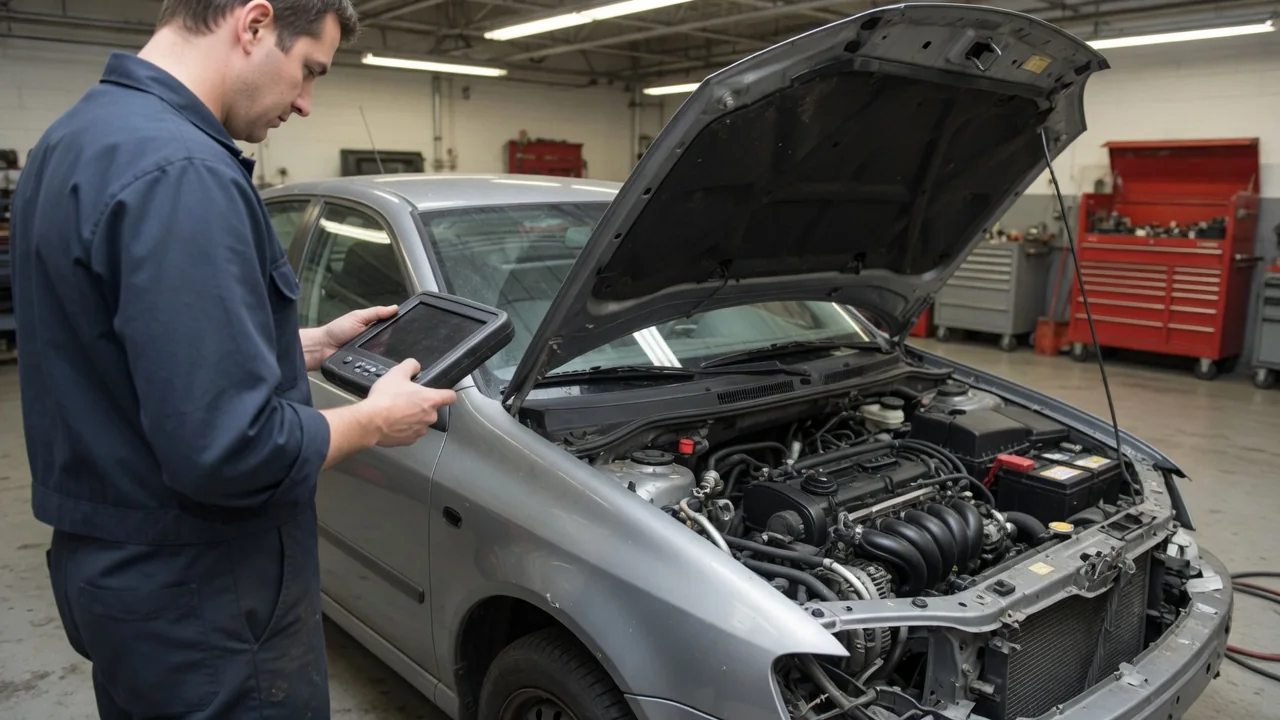
Diagnostic trouble codes P2425, P2426, and P2427 relate to the exhaust gas recirculation (EGR) cooling valve control circuit on vehicles equipped with an EGR cooler bypass. When the powertrain control module detects an electrical fault in this circuit, it stores one of these codes and illuminates the check engine light. The fault may affect emissions, performance, or driveability depending on the vehicle's control strategy. Understanding the circuit operation, common failure points, and diagnostic approach helps resolve the issue efficiently without unnecessary parts replacement.
Confirm the Vehicle’s EGR Cooling Valve Code Definition
Before acting on any of these codes, confirm the exact definition for the specific vehicle. Manufacturer documentation defines which component is monitored and how the circuit is tested. The EGR cooling valve, often a vacuum or electrically actuated bypass valve, directs exhaust gas either through or around the cooler to manage temperature. Service information for the year, make, model, and engine is essential because the same code may refer to a different circuit or actuator on different applications.
A control circuit code indicates the module detected an electrical condition outside expected parameters. It does not prove the EGR cooling valve itself has failed, that the cooler is blocked, or that coolant is leaking. Record all stored and pending codes, along with freeze-frame data showing operating conditions when the fault set. Note any symptoms such as rough idle or reduced power. Avoid clearing codes until this information is saved, as it may be lost and can aid diagnosis.
P2425: EGR Cooling Valve Control Circuit/Open
P2425 typically indicates the EGR cooling valve control circuit is open, meaning the expected electrical path is interrupted. This can prevent the actuator from moving or stop the module from reading a feedback signal. An open circuit may be caused by a disconnected electrical connector, broken wire, corrosion in a terminal, or a failed winding inside the actuator, but the code alone cannot specify the location.
Diagnosis requires tracing the circuit with a wiring diagram and measuring continuity or voltage drop while gently wiggling the harness to expose intermittent breaks. A visual inspection may reveal obvious damage, but many opens are hidden inside insulation or connectors. Replacing the EGR cooling valve on the basis of P2425 alone often results in an expensive misdiagnosis, because the fault may lie in the wiring or connector between the module and the valve.
P2426: EGR Cooling Valve Control Circuit Low
P2426 means the control circuit is registering a lower than expected voltage or resistance condition, subject to vehicle-specific definition. The term low refers to the electrical monitoring result only; it does not mean low coolant level or low exhaust temperature. In many designs, a short to ground in the signal or control wire pulls the voltage down, but an internal actuator fault or a supply problem can also produce this reading.
To interpret P2426 accurately, a technician must identify whether the circuit uses a pulse-width modulated control line, a feedback potentiometer, or a simple switched output. Manufacturer diagnostic criteria specify when the fault sets and what threshold defines low. A short to ground may be found by disconnecting the valve and module and testing resistance to chassis ground, but live testing should be left to professionals using the correct service procedures.
P2427: EGR Cooling Valve Control Circuit High
P2427 commonly indicates the EGR cooling valve control circuit is high, meaning voltage or resistance above the expected range. High does not mean engine overheating or excessive EGR flow; it is strictly an electrical monitoring result. A short to voltage in the control wire, an open in a ground return, or a faulty actuator with an internal short can all drive the reading high, depending on the circuit design.
Because the monitored circuit varies by vehicle, the same P2427 can stem from completely different failures. On one design, a wire rubbed through and touching a 12-volt source may cause the code; on another, an open in the feedback line may make the voltage read high. Code wording alone cannot distinguish a damaged wire from a defective component or control module. Following the manufacturer’s pinpoint tests is necessary to isolate the fault.
Symptoms, Safe Observations, and Professional Testing
Symptoms for these codes vary widely. Some vehicles show only a check engine light with no noticeable driveability change because the module may open the EGR cooling valve fully to a default position. Others may experience reduced power, rough idle, or failed emissions inspection readiness. The response depends on the fault strategy programmed by the manufacturer. Freeze-frame data can reveal whether the fault occurred at idle, cruise, or during EGR operation.
Owners can safely check for obvious issues with the engine off and cool, such as a disconnected or corroded connector at the EGR cooling valve, or harness damage visible without reaching near hot or moving parts. Do not attempt to apply voltage, jumper terminals, or probe live circuits. A technician uses a vehicle-specific wiring diagram, digital multimeter measurements, and bidirectional scan tool commands to actuate the valve and observe response, isolating the fault without guesswork.
Driving Decisions and Verification After Repair
Deciding whether to drive with these codes active depends on observed symptoms. A steady check engine light without performance loss or overheating may allow limited driving to a repair shop, but the owner’s manual should be consulted. If the vehicle shows overheating warnings, emits steam, loses coolant, or suffers severe power loss, stop safely and arrange towing. Continued operation under those conditions risks engine damage.
Even if the vehicle seems normal, timely diagnosis is wise. These faults can disable EGR cooling control, increasing emissions and potentially failing inspection. After repair, clearing the code alone is not verification. The prescribed system test—often a scan tool function that commands the valve through its range while monitoring feedback—must pass, followed by a drive cycle that allows the monitor to run. Only when the code does not return and readiness monitors set can the repair be considered successful.