P2413 and P2457 Codes: EGR System and Cooler Performance
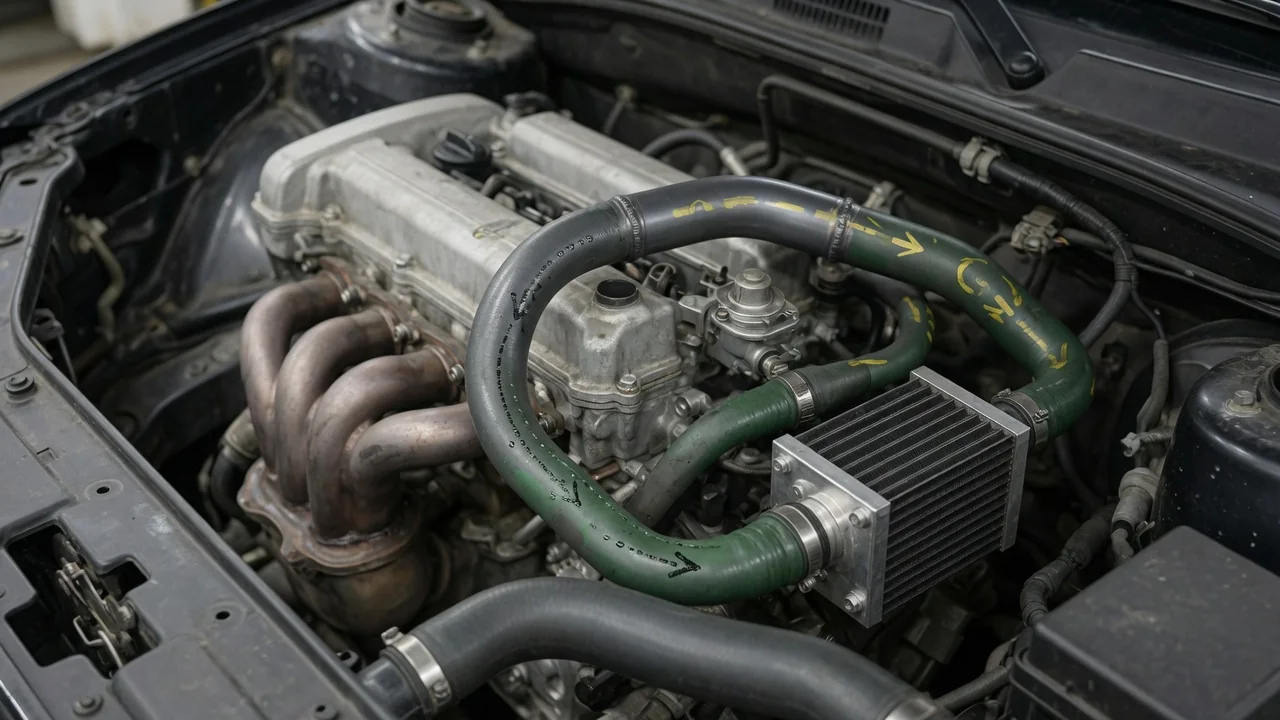
When a scan tool reports P2413 or a P2457 code, the powertrain control module has recorded an exhaust gas recirculation response that did not match the expected window for that drive. A P2413 code is commonly described as EGR system performance, while P2457 is commonly described as EGR cooling system performance. Neither label names a failed part. Exact definitions, enable criteria, and the hardware fitted to the engine must be confirmed in vehicle-specific service information before any interpretation.
What P2413 and P2457 Indicate on the Affected Vehicle
P2413 is commonly described as EGR system performance, meaning the module compared actual recirculation behavior with the response it expected under the conditions of that trip. P2457 is commonly described as EGR cooling system performance, meaning cooled exhaust gas or related temperature feedback did not follow the monitored path. Those phrases are starting points, not universal definitions. Service information for the exact vehicle and engine must confirm the code text, the setting criteria, and whether an EGR cooler is even installed, because many gasoline layouts recirculate exhaust without a dedicated cooler.
A performance code records an unexpected monitored response. It does not identify a failed EGR valve, cooler, sensor, or passage by itself. Diesel and gasoline engines both use exhaust gas recirculation, but the hardware differs: some diesel applications route gas through a cooler before the EGR valve, while other engines meter flow without that heat exchanger. Interpreting either code as if every engine has the same cooler, valve, and sensors will send diagnosis down the wrong path. The installed equipment and the manufacturer’s enable conditions decide what the module was actually watching.
Symptoms and Warning Signs That Need Attention
A P2413 code or P2457 code often turns on the check engine light, yet drivability can range from none at all to a rough idle, hesitation, or reduced power. Some engines tolerate a restricted recirculation path with little change at the pedal, while others misfire or surge when the EGR valve stays open or closed against the command. Those symptoms also appear with ignition, fuel, boost, or intake faults, so they cannot confirm an EGR problem by themselves. Engine design, how much recirculation is commanded, and whether cooling of the gas is used change what the driver feels.
Coolant loss, persistent white exhaust, and overheating deserve investigation because they can accompany an EGR cooler concern on engines that use one, but they are not proof the cooler has failed. A leaking hose, a head gasket issue, or a temperature sensor error can produce similar signs. If the engine overheats, heavy persistent smoke appears, or running becomes severe, stop safely and arrange assistance rather than continue. There is no reliable way to promise that driving with either code stored is acceptable, because the underlying condition and the cooling system state are not known from the light alone.
Possible Causes Behind a P2413 Code
Carbon deposits in the EGR passages or on the EGR valve pintle can block the exhaust gas flow the module expects during commanded EGR operation. A valve that sticks open, sticks closed, or moves too slowly produces the same kind of performance mismatch, whether the actuator is electric or vacuum operated on that engine. Where vacuum control is fitted, a split hose, leaking diaphragm, or failed solenoid can keep the valve from following the command. Wiring and connector faults at the actuator belong in the same group only when that control arrangement is actually used.
Performance monitoring also depends on the sensors that report airflow, manifold or differential pressure, exhaust or intake temperature, and valve position. An inaccurate reading can make a healthy recirculation path look wrong, or hide a real restriction, depending on the engine’s strategy. Supporting codes and the test results they point to should be reviewed before anyone recommends cleaning passages or replacing the valve. A P2413 code is evidence that the monitored response missed its window, not proof that the valve itself has failed and must be changed.
Possible Causes Behind a P2457 Code
On engines fitted with an EGR cooler, restricted cooler passages, weak coolant circulation through that circuit, or a cooler bypass that stays in the wrong position can keep exhaust gas from being cooled as the monitor expects. Soot and carbon deposits inside the gas side of the cooler reduce heat transfer the same way a clogged coolant passage does. A P2457 code therefore points at cooling performance, which may be a flow, heat exchange, or control issue rather than a single failed part. The cooling hardware must be present on that engine before these causes apply.
Coolant temperature and exhaust temperature sensor faults, along with related wiring problems, can feed the module misleading cooling feedback when those sensors are part of the monitoring strategy. An internal cooler leak is possible when coolant is disappearing, white exhaust persists, or overheating appears, but the code alone does not establish a leak. Replacing the cooler without confirming coolant flow, sensor plausibility, and the vehicle-specific test criteria can leave the real fault in place. P2457 is a performance result, and a new cooler will not correct a sensor, circulation, or bypass problem that was never checked.
Safe Observations to Record Before Service
Before anything is cleared, save every stored and pending code and any freeze-frame data the scan tool can display. Freeze-frame data captures engine speed, load, temperatures, and related values at the moment the monitor failed, which later diagnosis needs. Note when symptoms occur, whether cooling system or EGR work was done recently, and any observed coolant loss. Those notes help a technician match the P2413 or P2457 setting conditions to what actually happened on the road, instead of starting from a blank history after a reset.
Owner checks should stay at accessible visual observations with the engine off and cool: obviously disconnected wiring, loose connectors, or visible fluid leakage around hoses and the cooler area if one is fitted. Do not open a hot cooling system, touch hot exhaust components, dismantle EGR hardware, or try improvised bypass tests. Those actions can cause burns, scalding, or further damage, and they do not substitute for the manufacturer’s diagnostic path. Record what you can see safely and leave passage cleaning, valve service, and cooler inspection to a shop equipped for that engine.
Professional Testing and Confirmation After Repair
A technician starts with the vehicle’s diagnostic procedure, using freeze-frame data, related codes, and applicable live data rather than jumping to a part. Commanded EGR operation tests ask the valve to move while the module or scan tool watches expected flow or sensor response, which can separate a stuck valve from a sensor that simply reports the wrong value. Those tests belong in a shop setting because they involve hot exhaust paths and controlled operating conditions. Shared enable conditions matter when both a P2413 code and P2457 are stored; they do not automatically share one cause.
Cooling system pressure tests, cooler integrity checks, electrical testing of temperature sensors and actuators, or assessment of coolant circulation may be needed when P2457 is present or when coolant symptoms accompany either code. After any repair, confirmation means the original symptoms are gone and the applicable monitors complete without the codes returning. Clearing codes alone does not verify the work, because the performance monitors must run again under the same kinds of conditions that set them. If both codes return, the shop should recheck shared operating conditions and related faults instead of assuming one part failed.