P2297, P2414, P2415 and P2416 Codes: O2 Sensor Range and Exhaust Sample Errors
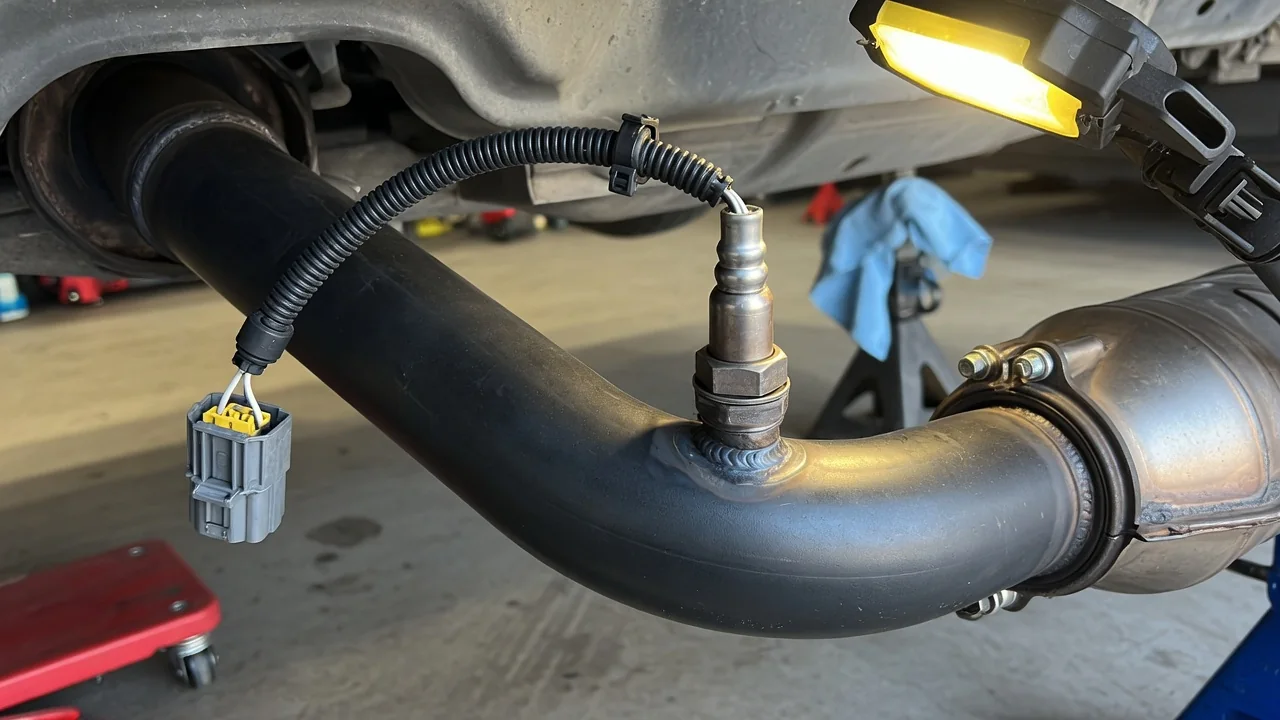
The P2297 code often appears alongside P2414, P2415, or P2416, and all four point to how the engine computer interprets signals from oxygen sensors. Bank 1 sensor 1 is the upstream sensor on the side with cylinder 1, while sensor 2 sits downstream of the catalytic converter. A code is not a part failure; it is a record that a signal fell outside an expected range. Before guessing, note freeze frame data and any companion codes, because the definitions below can vary by manufacturer.
How These Oxygen Sensor Codes Fit Together and Why Definitions Vary
All four codes relate to the powertrain control module judging oxygen sensor signals. The generic descriptions provide a starting point, but they are not enough for an accurate diagnosis. Each manufacturer may use a slightly different definition or assign a code to a different sensor position, so the first step is always to confirm the exact meaning for your specific vehicle using a service manual or reliable repair database.
Bank and sensor numbering is simple once you know the rule: bank 1 is the side of the engine containing cylinder 1, and sensor 1 is always upstream of the catalytic converter. Sensor 2 is downstream, and if a third sensor exists, it is usually further downstream or on a second converter. A diagnostic trouble code identifies a condition the computer detected, not a confirmed failed part. Always record freeze frame data and any companion codes before clearing anything.
P2297 Code: Oxygen Sensor Reading Out of Range During Deceleration
Generic P2297 means the oxygen sensor reading was out of range during deceleration fuel cut. When you lift off the throttle at speed, many engines shut off fuel injection briefly, and the exhaust should contain almost no oxygen. The upstream sensor should report a very lean condition, but if the reading stays rich or moves unexpectedly, the computer sets this code. Deceleration is a useful test window because the expected signal is predictable.
An out-of-range reading during deceleration can come from several directions. An exhaust leak ahead of the sensor lets outside air enter the stream and shift the reading. A slow or contaminated sensor may not react quickly enough to the sudden change. Wiring or connector faults can distort the signal, and a fuel delivery issue that leaves residual fuel during coast-down can also cause the sensor to report an unexpected value. Symptoms are often a check engine light with little change in drivability, but the code cannot tell whether the sensor, wiring, or engine condition is to blame.
P2414 Code: Oxygen Sensor Exhaust Sample Error
A P2414 code indicates the oxygen sensor is reporting a signal that suggests it is not reading a normal exhaust sample. The computer expects a certain range of voltage or response, and when the signal falls outside that range, an exhaust sample error is stored. The most commonly considered cause is outside air entering the exhaust near the sensor. Leaking joints, gaskets, cracks, or a loose sensor can all allow air to dilute the exhaust gas and confuse the sensor.
Other possibilities include a damaged sensor, wiring or reference circuit problems, and engine conditions that skew the air-fuel mixture. The affected sensor position must be verified for the specific vehicle; on many cars P2414 is bank 1 sensor 1, but this is not universal. The difference between pending and confirmed codes matters: a pending code has failed once, a confirmed code has failed on multiple drive cycles. If the code is pending and the conditions do not recur, it may not return.
P2415 Code: Exhaust Sample Error on a Second Sensor Position
P2415 is generally listed as the same type of exhaust sample error as P2414 but for a different sensor position, commonly bank 1 sensor 2. This must be verified for the vehicle because some manufacturers use different assignments. A downstream sensor is affected by leaks around the catalytic converter, flex joints, or pipe connections. Because the downstream sensor measures exhaust after the catalyst, any leak in that area can let air in or out and change the signal the computer sees.
Wiring routed near hot exhaust or under the vehicle can suffer heat or road damage. A melted or frayed wire may create a short or poor connection that mimics an exhaust sample error. When P2414 and P2415 appear together, a shared cause such as a single exhaust leak or a common engine condition is more likely than two failed sensors. Do not replace sensors based only on the code description; many times the sensor itself is functioning correctly.
P2416 Code: Oxygen Sensor Signals Swapped
A P2416 code means the computer believes two oxygen sensor signals are reversed. It is often listed for bank 1 sensor 2 and sensor 3, with exact positions confirmed per manufacturer. This code frequently appears after sensor replacement or other work when connectors may have been plugged into the wrong harness. The sensors are physically the same in many cases, so their wiring can be connected incorrectly without obvious visible damage.
A harness routing or connector mix-up is a common cause, but it can also occur if the wiring was damaged and repaired incorrectly. Visual tracing of wires from the sensors back to their connectors is a safe first observation. Some vehicles do not use a third sensor position, which is another reason the definition must be checked. If connections look correct, professional testing is needed to judge sensor response and determine whether the computer is receiving properly matched signals.
Safe Checks, Limits of DIY Diagnosis and When to Get Professional Testing
With the engine off and cool, you can safely look for visible wiring damage, loose or unplugged connectors, obvious exhaust damage, and signs of soot at joints. Soot often appears where exhaust gas escapes and can indicate a leak near an oxygen sensor. Listening for a ticking or puffing sound from the exhaust can also point to a leak, but never touch hot components or work under an unsupported vehicle.
A technician may review live sensor data to see how sensors respond, perform a smoke test to find exhaust leaks, and check circuits with proper equipment. Ignoring these codes can mask engine conditions that affect fuel economy, emissions testing, and catalytic converter health. Repeatedly clearing codes to pass an inspection is not a solution, and an unresolved or returning code should be checked by a professional to pinpoint the actual cause.