P2199 Code: Intake Air Temperature Sensor 1/2 Correlation
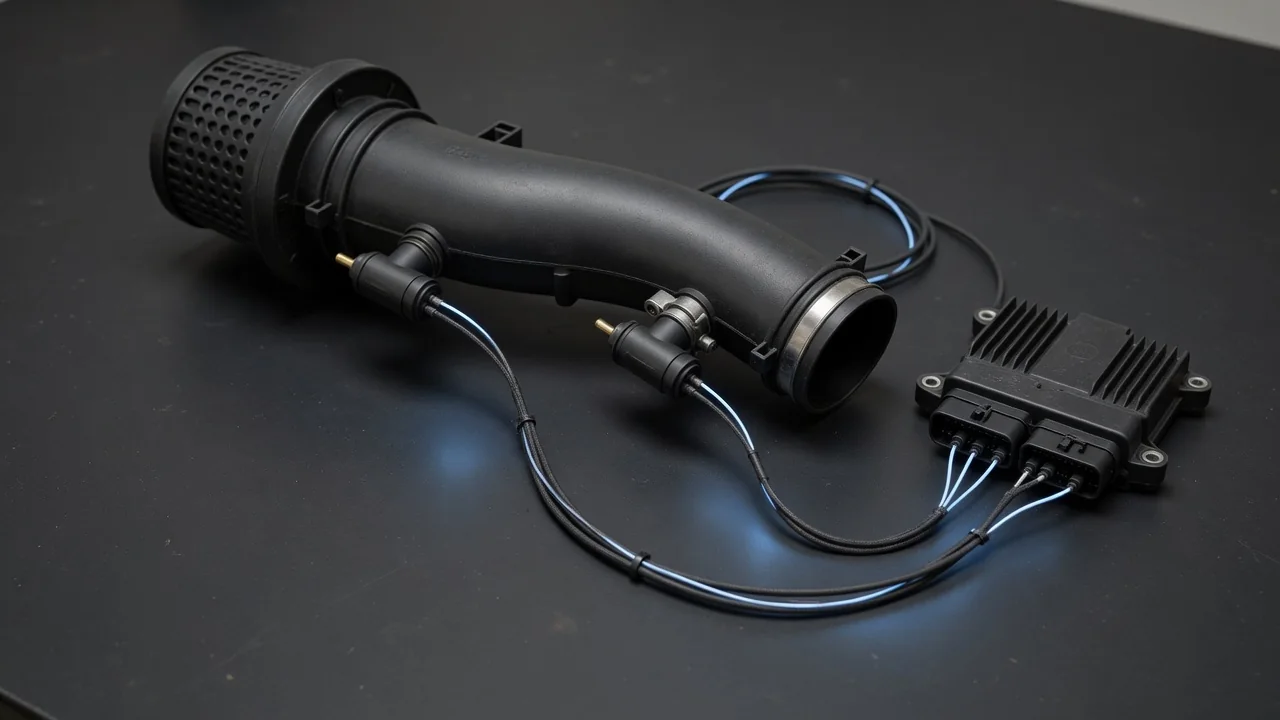
A P2199 code typically points to a disagreement between two intake air temperature readings the engine control module is comparing. Drivers often see only a check engine light, yet the stored fault is a temperature signal plausibility concern rather than a finished diagnosis. Confirm the manufacturer description for the exact vehicle, because sensor numbering, packaging, and monitoring conditions vary. The code is evidence to interpret, not proof that one sensor or both have failed.
What P2199 Means for Intake Air Temperature Signals
P2199 generally identifies an intake air temperature sensor 1/2 correlation fault. In that strategy the control module compares two IAT-related signals and sets the code when their relationship falls outside expected limits. Those limits and the operating window used to judge them are manufacturer-dependent, so the same numeric code can describe different sensor identities or monitoring rules from one vehicle to another. Before treating any reading as meaningful, confirm the published code description, which sensors are labeled 1 and 2, and the conditions under which correlation is evaluated in service information for that exact application.
Sensor numbering on a correlation code does not establish physical location. One input may sit in the intake air duct, another may be integrated with a mass airflow housing, and some vehicles combine an IAT element with other intake sensors. Packaging depends on the design, so guessing which part is sensor 1 from a generic definition invites the wrong replacement. A P2199 code also does not identify a failed sensor by itself and does not justify replacing both temperature sensors. The stored fault only reports that the relationship between the two signals was implausible under the monitor's rules.
Symptoms to Record and When to Stop Driving
A check engine light may be the only indication of a P2199 code, even when the driver notices no change in how the vehicle starts or drives. Intake air temperature feeds fueling and idle calculations, so some vehicles may also show hard starting, an uneven idle, delayed throttle response, or weaker fuel economy. None of those complaints proves an IAT fault; similar behavior can come from vacuum leaks, a dirty throttle body, or other airflow sensors. Record what you feel and whether the light stays steady.
Note whether the concern appeared at a cold start, after the engine warmed up, or following recent intake-related work such as air-filter service, duct replacement, or sensor unplugging. Heat soak after shutdown and a cold morning can change how two temperature sensors compare, so the timing of the complaint helps a technician match freeze-frame conditions later. Severe hesitation, stalling, overheating, or a flashing check engine light warrants stopping safely. Pull over, shut the engine down if temperatures are climbing, and arrange professional assessment instead of driving on a possible misfire or cooling problem.
Why the Two Temperature Signals Can Lose Correlation
An inaccurate or intermittent temperature sensor signal can push IAT sensor correlation outside the module's plausibility window even when the other sensor is reading reasonably. A sticking thermistor, an open or shorted element, or a signal that drops out over bumps can all look like disagreement between sensor 1 and sensor 2. Damaged sensor wiring, stretched harnesses near the airbox, loose terminals, moisture in the connector, and connector damage can distort the same voltage the module treats as temperature. Those circuit faults often mimic a bad sensor, which is why replacing parts before inspecting the harness is a common misstep.
Incorrect sensor installation or intake parts left disturbed after recent work can also break correlation. A sensor seated poorly, a duct clamp left loose, or an airbox lid not fully latched can change the air a probe actually samples. Heat soak, underhood airflow, and sensor placement further mean the two readings are not necessarily expected to be identical during operation. One probe may sit in a duct that still holds residual heat while the other sees moving intake air. The monitor looks for a plausible relationship under defined conditions, not a perfect match at every moment.
Safe Observations That Help Narrow the Fault
Before clearing anything, save all stored and pending codes and any available freeze-frame data. Freeze-frame captures engine speed, load, coolant temperature, and related values at the moment the P2199 code set, which later helps a technician recreate the same operating window. With the engine off and cool, look at accessible connectors, sensor wiring, and intake parts for obvious disconnection, abrasion, or a duct that was left unseated. Do not dismantle components during that walk-around; the goal is to document disturbed hardware, not to probe circuits. Photograph or note anything that looks out of place.
Write down startup conditions, ambient weather, and any recent repairs involving the air filter, intake duct, or temperature sensors. A technician can compare that history with freeze-frame data and with how the two IAT readings should relate after a cold soak versus after a hot restart. Those notes do not diagnose the circuit. A visual inspection cannot establish wiring integrity, terminal tension, or moisture inside a sealed connector, and a single snapshot of scan tool live data cannot confirm sensor failure. Temperature signals need to be judged against manufacturer criteria over the right soak and operating window.
Professional Testing and Confirmation After Repair
A technician starts with vehicle-specific service information to identify both temperature inputs and the conditions under which IAT sensor correlation is evaluated. That information defines which parameters to watch, whether a cold soak is required, and what difference or ratio is considered implausible. After an appropriate temperature stabilization period, scan tool live data is reviewed at idle, during a drive, or under other specified conditions using those manufacturer criteria. Comparing two numbers on a generic scan tool without that context can make a normal heat soak spread look like a fault.
Circuit, connector, and sensor-response testing should establish the fault before any part is replaced. Related codes for IAT range, circuit high or low, mass airflow, or manifold temperature can steer that testing toward one input instead of both. After a repair, verification means the two temperature signals behave as specified and the P2199 code does not return under the same monitoring conditions that originally set it. Clearing the warning light, or erasing the stored fault without a completed monitor, does not confirm the repair. If the correlation fault returns, the original cause was not isolated.