P2183, P2184 and P2185: Coolant Temperature Sensor 2 Circuit Faults
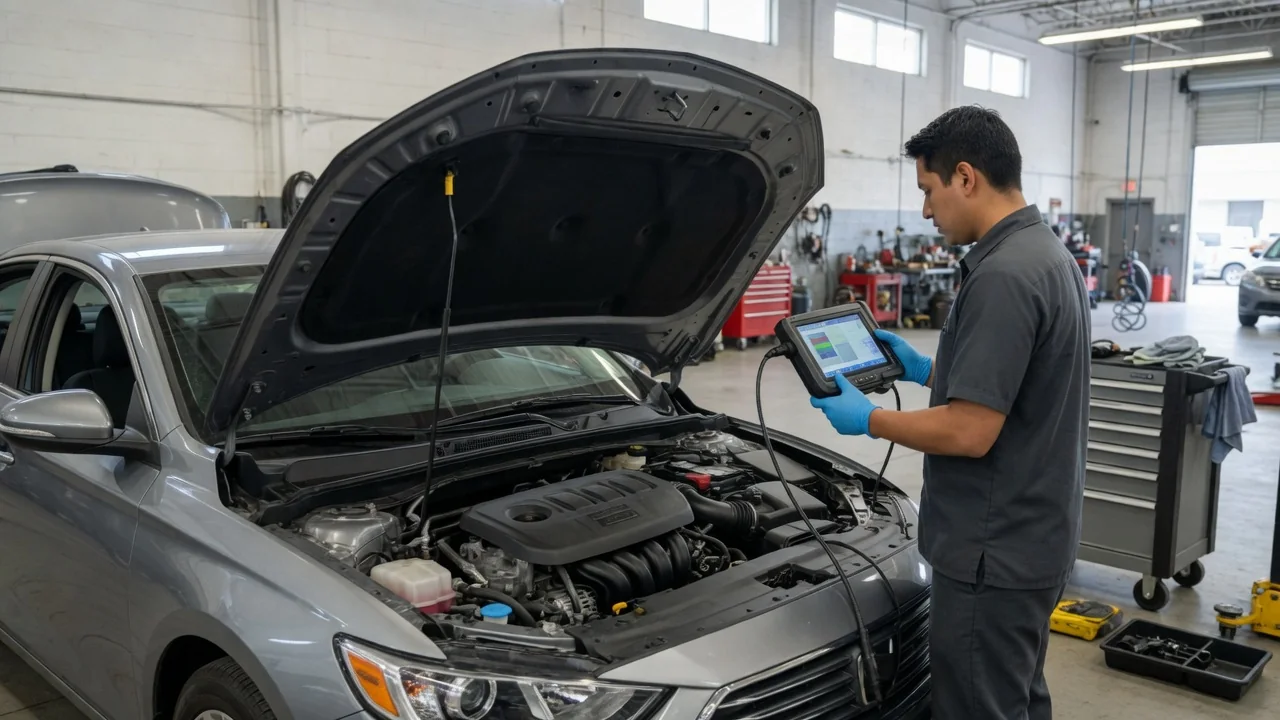
P2183, P2184, and P2185 describe engine coolant temperature sensor 2 circuit faults, not a confirmed failed sender. A P2185 code, P2183 code, or P2184 code is a stored range, low, or high input complaint on a designated ECT sensor circuit. Sensor 2 can serve a different role than the primary coolant temperature input, so vehicle-specific information must identify the circuit before any repair.
Confirm the Code Definition and Identify Coolant Temperature Sensor 2
Generic scan-tool labels can oversimplify P2183, P2184, and P2185. Before treating any of them as a failed engine coolant temperature sensor 2, confirm the official definition and diagnostic procedure for that year, make, model, and engine. In many catalogs P2183 is a sensor 2 circuit range and performance fault, P2184 is a low circuit input, and P2185 is a high circuit input. Those standard descriptions are a starting point, not a substitute for the manufacturer flowchart, because the same numeric code can map to a different sender, connector, or control strategy on another platform.
Sensor 2 names a designated sensing circuit, not a universal physical location. On some engines it sits in a radiator tank, thermostat housing, or cylinder head passage and may influence cooling fan operation, a temperature display, or a secondary comparison rather than primary fueling. The wiring harness and sensor connector must be identified from vehicle-specific service information. A stored ECT sensor circuit code shows the controller saw an electrical or plausibility problem; it does not prove the sensor itself needs replacement, because an open, short, poor terminal, or definition difference can set the same complaint.
P2183: What a Range or Performance Fault Indicates
A P2183 code means the controller judged engine coolant temperature sensor 2 to be outside expected range and performance criteria, not that a particular part has already failed. The range and performance fault is a plausibility complaint: the signal may move too little, too much, too quickly, or in a direction that does not match other available temperature or operating information. Implausible live readings, an intermittent connection at the sensor connector, harness chafe, or genuine cooling-system behavior can all produce that judgment. Investigation is warranted; a confirmed root cause is not.
Freeze-frame data captured when P2183 set is more useful than a single current temperature reading. Note engine speed, load, whether the engine was cold or already warm, and what the coolant temperature live data showed at that moment. Watching the sensor 2 signal during a controlled warm-up then shows whether the value rises smoothly, stalls, jumps, or disagrees with related sensors. No universal temperature threshold or time-to-set condition applies across all vehicles; the manufacturer procedure defines those criteria, and the technician should compare observed behavior against that procedure rather than a generic chart.
P2184: Understanding Low Circuit Input
A P2184 code reports low circuit input on engine coolant temperature sensor 2. Low input describes the electrical signal the controller received, not a low coolant temperature and not a low coolant level. On many ECT sensor circuits a low signal voltage is interpreted as an unusually hot reported temperature, because the typical thermistor arrangement drops voltage as resistance falls. That translation depends on the vehicle-specific circuit design, so the scan-tool temperature must be read as a reported value, not as proof the engine is actually overheating.
Possible sources of a low input include a short to ground on the signal circuit where that design applies, chafed wiring harness insulation, a contaminated or pushed-back terminal in the sensor connector, or an internal sensor fault that pulls the circuit down. Those possibilities require testing rather than parts swapping. An apparent hot coolant temperature live data reading should be compared with actual overheating symptoms such as a climbing gauge, steam, or a warning message. If the engine is not actually hot, the P2184 complaint is more likely electrical than a cooling failure.
P2185: Understanding High Circuit Input
P2185 reports high circuit input on engine coolant temperature sensor 2. High input is an electrical condition, not a finding that the engine is overheating. On many ECT sensor circuits an open signal path lets the voltage sit high, and the controller then displays an implausibly cold value even while the engine is warm. That mapping must still be confirmed against the vehicle's circuit design. A cold reported temperature with a warm engine is a clue to the electrical state, not a reason to assume the cooling system failed.
An unplugged sensor connector, damaged wiring, poor terminal contact, or an internal sensor fault can produce a high circuit input, and each needs evidence before replacement. Intermittent contact is misleading: a stored P2185 can remain after the connection reseats and current coolant temperature live data looks plausible. Inspecting the harness near heat and moving parts and comparing freeze-frame data with present readings help separate a one-time disconnect from a persistent open. A currently normal scan value is not proof the circuit is healthy.
Symptoms, Driving Decisions and Safe Owner Observations
A check-engine light is the most consistent owner-facing sign of P2183, P2184, or P2185, but other symptoms depend on how the vehicle uses engine coolant temperature sensor 2. Cooling fan operation may start early, late, or not at all if that circuit feeds the fan strategy. Cold-start enrichment, idle quality, or drivability can change if the controller treats the implausible reading as real. A normal dashboard temperature gauge does not validate the sensor 2 circuit, because many vehicles derive the gauge from a different sender or a processed value that never shows the faulted input.
Record every stored code, freeze-frame data, and any recent cooling-system work before clearing anything, because a cleared P2184 code or P2185 code removes the snapshot that explains when the circuit failed. Owner checks should wait until the vehicle is safely parked with the engine off and cool. Look for visible leaks, reservoir markings that are well below the cold range, and obvious wiring-harness or sensor-connector damage that can be seen without reaching toward fans. Never open a hot cooling system. Overheating warnings, steam, or substantial coolant loss mean stop safely and seek assistance rather than continue driving.
Professional Testing and Confirmation After Repair
A technician starts with the correct wiring diagram, positive identification of engine coolant temperature sensor 2, and the manufacturer diagnostic procedure for that engine. Cold-soak plausibility checks compare the sensor 2 reading with ambient and related temperature inputs after a long rest, while warm-up trends show whether the signal tracks actual heat-up. Intermittent signal monitoring during a drive cycle can catch dropouts that a parked scan misses. None of those steps uses a universal voltage or temperature number; they only show whether the ECT sensor circuit behaves as that procedure expects.
Professional testing of the sensor connector, wiring harness, and sender should follow the published circuit checks without improvised jumpers or bypasses. Replace the sensor only when those tests isolate it; investigate a control module only after power, ground, and circuit integrity are proven. Cooling-system testing belongs in the plan when leaks, poor circulation, or genuine overheating accompany the codes. Confirmation requires plausible coolant temperature live data, normal fan and engine operation, and no return of P2183, P2184, or P2185 under the conditions that originally set it.