P2181 Code: Cooling System Performance Symptoms and Causes
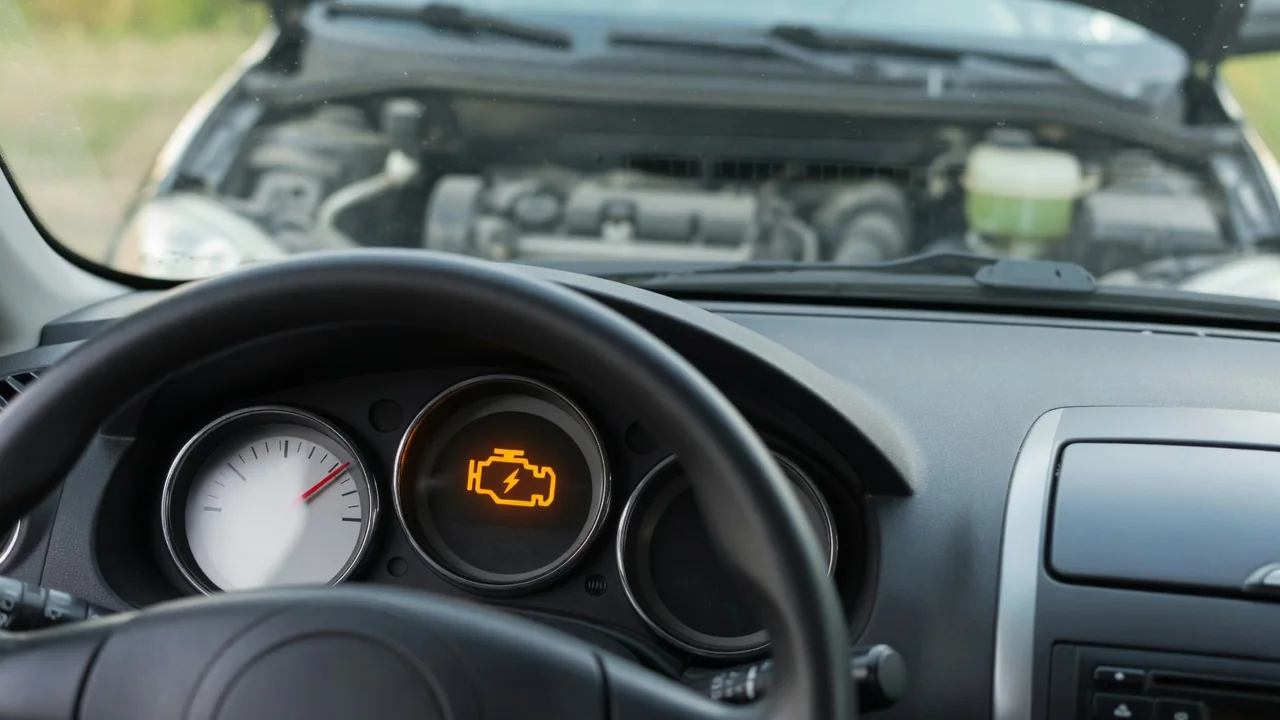
A stored P2181 code means the engine control module saw engine coolant temperature behavior it did not expect during a monitored drive. The definition is often listed as cooling system performance, but the exact meaning and test criteria depend on the vehicle. It helps to understand the code, the P2181 symptoms that may appear, and the evidence that separates thermostat, coolant and sensor causes. That knowledge helps an owner describe the problem accurately and avoid replacing parts on a guess.
What P2181 Means for the Vehicle
Before interpreting P2181, confirm the code definition and diagnostic criteria for the specific year, make, model and engine. Generic code lists give a starting point, but the manufacturer decides what the module monitors, how long it waits, which temperature targets apply and which conditions must be met before it records a result. Service information for that engine also describes enabling conditions such as ambient temperature, vehicle speed and run time. Those details matter when judging whether the recorded event makes sense for how the car was actually driven.
On many vehicles, the P2181 code points to a cooling system performance concern. That means engine coolant temperature did not follow the pattern the module predicted. It may have warmed too slowly, failed to reach an expected range or behaved differently than the module's estimate of heat input suggested. This is an observation about how the system behaved, not a verdict. The code by itself does not prove the thermostat stuck open or the coolant temperature sensor failed. It tells a technician where to begin collecting evidence.
Symptoms That Can Accompany P2181
The most common sign is a check engine light, sometimes with no other complaint. Drivers may also notice slow engine warm-up on cool mornings or a temperature gauge that sits lower than usual or wanders. Cabin heat can also be inconsistent, for example weak at idle but stronger while driving. Some engines run and drive normally with the code stored because the fault concerns monitored temperature behavior rather than drivability. Symptoms point to an area of interest, but they cannot establish the cause on their own.
Treat an overheating warning, steam from under the hood or a temperature reading climbing quickly toward hot as a different situation. Pull over when it is safe, shut off the engine and get assistance instead of continuing to drive. A sweet coolant odor inside or outside the car also deserves prompt attention, as do visible drips or crusty residue near hoses. These clues suggest coolant is escaping somewhere. However, they do not show whether a hose, seal, radiator or another component is responsible.
Thermostat and Coolant Circulation Causes
The thermostat controls when coolant flows to the radiator. If it opens too early, stays partly open or otherwise fails to regulate flow, the engine may take too long to reach operating temperature. It may also run cooler than the module expects, especially at highway speed in cold weather. A thermostat that restricts flow can push temperatures the other way. Either pattern can disturb the warm-up curve the module compares against, which is why thermostat operation is often examined when this code appears.
Low coolant, a slow leak or air trapped after earlier service can also distort readings. A sensor sitting in an air pocket may report temperature poorly, and circulation suffers too. Water pump or cooling fan concerns belong in the investigation only when symptoms and vehicle-specific diagnostic information support them, such as overheating in slow traffic. Several causes can produce similar data. In every case, the code should not be blamed on a thermostat, pump or any other cooling component until diagnostic evidence supports it.
Temperature Sensor and Circuit Concerns
The module relies on the coolant temperature sensor to judge warm-up. If that signal reads colder or warmer than the actual coolant, the module may decide the cooling system is underperforming when the real fault is in the measurement. A sensor that has drifted, a corroded or loose connector, or damaged wiring in the temperature sensor circuit can all produce misleading readings. Poor ground connections and chafed harnesses near hot engine parts deserve consideration alongside the sensor itself.
Erratic, jumping or implausible scan data calls for circuit testing and an independent temperature check before anyone condemns the sensor. Comparing the reported value with a separate measurement shows whether the signal is accurate. The dashboard gauge is not a reliable judge here. Many gauges are damped so the needle stays steady across a normal range, and some vehicles use a separate gauge sender. As a result, the needle may not reveal a temperature signal problem or show where it comes from.
Safe Observations Before a Service Visit
Before a service visit, write down when the warning first appeared, the outside temperature, how the gauge behaved and whether heater output changed. Also note any recent cooling system work, such as a hose, radiator or coolant replacement. Check the reservoir level only with the engine fully cool and only as the owner's manual describes. Never open a radiator cap or pressurized reservoir on a hot cooling system. Hot coolant under pressure can spray out and cause serious burns.
Look for puddles under the parked vehicle and for coolant residue on hoses or around the reservoir that you can see without reaching in. Do not touch hot parts or reach near belts and fans, which can start without warning on some vehicles. If a scan tool is available, save the stored codes and freeze-frame data before clearing anything, because that snapshot records conditions when the fault set. Do not drive the vehicle on purpose to recreate overheating, since that can cause engine damage.
Professional Tests and Repair Verification
A technician starts with related codes, freeze-frame data and the manufacturer's diagnostic procedure for that engine to decide which tests fit. One common step is a cold-start plausibility check. After the vehicle has sat overnight, engine coolant temperature is compared with intake air or ambient readings, and values that disagree sharply suggest a signal problem. Watching warm-up data then shows how quickly temperature rises and where it levels off. That helps assess thermostat operation and whether the coolant temperature sensor reports believable values.
When the evidence calls for it, testing may extend to leak or pressure checks of the cooling system and electrical checks of the sensor circuit. Circulation and fan operation may be evaluated as well. After a repair, normal temperature behavior should be confirmed under conditions similar to those recorded in the freeze-frame, and the applicable diagnostic monitors should complete. Clearing the P2181 code only erases the record and does not prove the repair worked. A completed monitor and a normal warm-up are what confirm the fix.