P2135, P2136 and P2137: Throttle Signal Fault Diagnosis
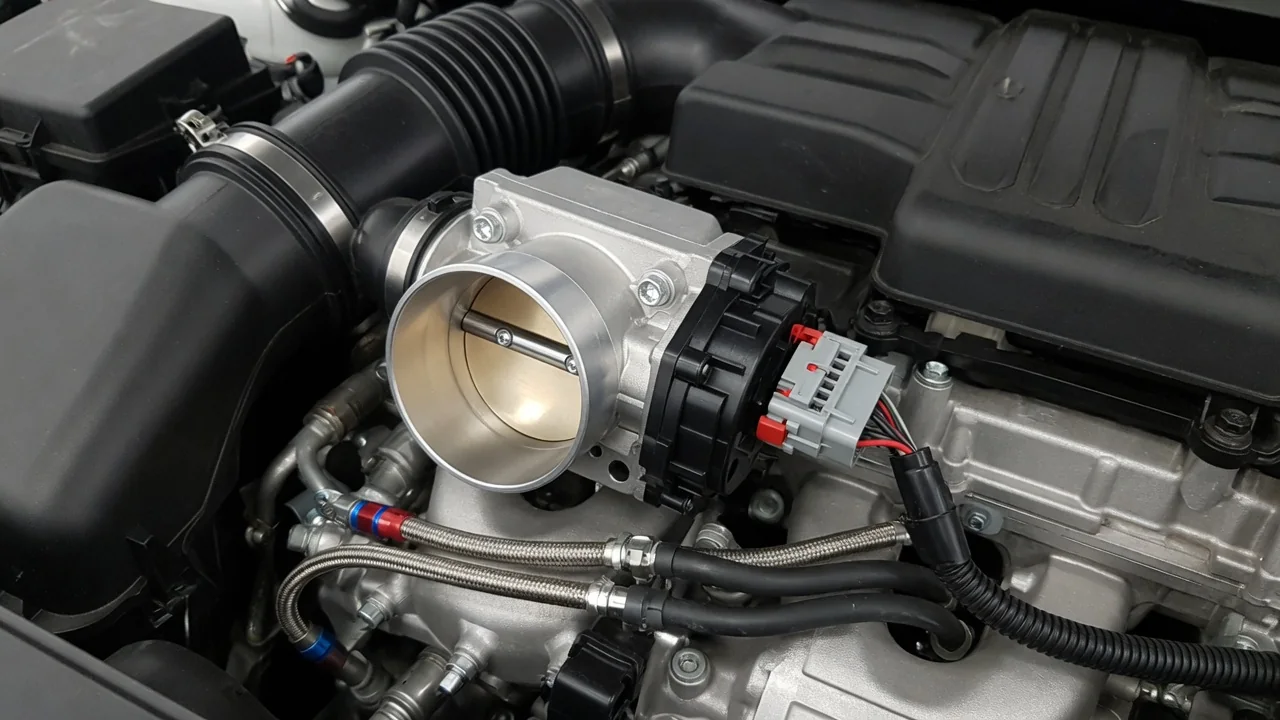
A p2135 code, or a related p2136 or p2137 code, means the engine computer has flagged a disagreement between throttle signals. The code number alone does not tell you which part is at fault. This guide explains what these codes can mean on throttle-body-side applications and why reduced engine power often follows. It also covers what can cause the signal mismatch and how to reach a confirmed repair safely.
Verify What P2135, P2136 and P2137 Mean on Your Vehicle
Before interpreting a p2135 code, look up the exact description published for your vehicle's year, make, model and engine. Generic code lists are a reasonable starting point, but manufacturers assign sensor letters, circuit designations and wording differently. The same number can therefore refer to different signal pairs from one brand to another. The p2136 code and p2137 code need the same check. Treat any description found online as provisional until it matches the diagnostic information for your specific vehicle, because every later step depends on knowing which signals are actually being compared.
Correlation describes an expected relationship between two signals, such as two throttle position feedback outputs that should move together in a predictable way. When the controller sees them disagree beyond its allowed limits, it sets a signal correlation fault. That result alone does not show which signal is wrong or why. This article covers only verified throttle-body-side applications of p2135, p2136 and p2137. If your vehicle's definition involves accelerator pedal sensors instead, diagnosis follows a different path that is outside the scope of this article.
How Throttle Feedback Faults Can Cause Reduced Power
In an electronic throttle control system, the engine controller commands a motor to open the throttle plate. It then relies on position feedback to confirm the plate actually moved where it was told. The controller keeps comparing the feedback signals to check that they make sense. When it cannot trust them, it may limit throttle opening, reduce commanded airflow or hold the plate near a default position. This protective strategy often shows up as a reduced engine power warning. It exists to prevent unintended acceleration when throttle position cannot be verified.
Drivers may notice a reduced power message, an illuminated check engine or throttle warning light, limited acceleration, an uneven idle or throttle response that feels inconsistent. None of these symptoms is guaranteed, and some vehicles show only a stored code. The warning lights and drivability changes also cannot identify which sensor, circuit or component caused the fault. A worn sensor, a chafed wire and a loose connector can all produce nearly identical behavior. That is why symptoms help you judge urgency but should never decide which part gets replaced.
Possible Faults Behind a Throttle Signal Mismatch
A throttle signal mismatch can come from a failing sensor inside the throttle body. It can equally start somewhere in the path between the sensor and the controller. Possible causes include corroded or loose terminals at the throttle body connector, spread pins, broken conductors inside the wiring harness, and chafing where the harness runs past brackets or hot components. A problem with the shared reference voltage or the sensor ground can distort one or both signals at the same time. Each of these possibilities has to be tested rather than assumed.
Carbon buildup or mechanical sticking can sometimes affect how the throttle plate moves compared with what the controller expects. Inspection for these conditions may be warranted when the vehicle-specific diagnostic procedure supports it. Even so, a p2135, p2136 or p2137 code does not automatically justify replacing the throttle body. On some designs the position sensors are built in and cannot be serviced separately, while other designs allow the sensor to be replaced on its own, depending on the application. Replacing an assembly before the fault is confirmed can leave a wiring problem untouched.
Safe Observations to Record Before Service
Before anything is cleared, record every stored and pending code, any warning messages on the instrument cluster and whatever freeze-frame data your scan tool can display. Freeze-frame data captures conditions such as engine speed, load and coolant temperature at the moment the fault was set. That information can help a technician understand the circumstances later. Also note whether the symptoms appeared during startup, at idle or during normal driving, based on what has already happened. Do not try to reproduce a loss of power on purpose, because doing so in traffic creates unnecessary risk.
With the engine off, you can look over accessible wiring and the throttle body connector for obvious damage. Signs to watch for include cracked insulation, melted sections, a partly seated plug or evidence of rodent chewing. Keep this to a visual check. Avoid unplugging components, probing circuits or moving the throttle plate by hand, since any of these can damage parts or disturb evidence. Also write down any recent battery replacement, wiring repair or intake work. That history is useful context for the technician, but it should not be assumed to be the cause.
What Professional Testing Needs to Establish
Professional testing begins with the correct wiring diagram and diagnostic procedure for the exact vehicle. These documents identify the signals behind the code and the relationship they are expected to maintain. A technician then compares how those signals behave against specification and confirms that the reference voltage supply and ground are sound. They also check continuity and integrity through the harness and connectors. The goal is to find where the correlation breaks down, whether that is in the sensor, the wiring, the connections or on the controller side.
A single scan-tool snapshot can look normal when the fault is intermittent and appears only with heat, vibration or harness movement. For that reason, technicians may watch live data over time or under controlled conditions. Related codes can change the testing order, such as other sensor faults or reference voltage faults, because one shared supply problem may explain several codes at once. Component replacement should follow evidence, not the code number. If a part is replaced, any required throttle setup or relearn procedure must be confirmed for that specific vehicle.
When to Stop Driving and How to Confirm the Repair
If throttle response becomes unreliable, or the available power is not enough for the traffic around you, pull over where it is safe and call for assistance. Do not keep driving or attempt a diagnostic road test. Restarting the engine may cancel a reduced-power state for a while. Clearing a code with a scan tool may also turn off the warning light. Neither step fixes the underlying fault. A warning that disappears and later returns is useful information for the technician, not a sign that the problem has fixed itself.
A repair is confirmed by the professional verification procedure that applies to the vehicle, followed by normal throttle operation and a check that no codes return. That check should include pending codes that have not yet turned on a warning light. Intermittent faults can take time to come back, so a follow-up scan after a period of varied everyday driving is sensible. No single part, cleaning procedure or reset can be promised to fix every p2135, p2136 or p2137 occurrence. The right repair is whatever the testing actually proves.