P2080, P2081, P2084 and P2085: EGT Sensor Fault Codes Explained
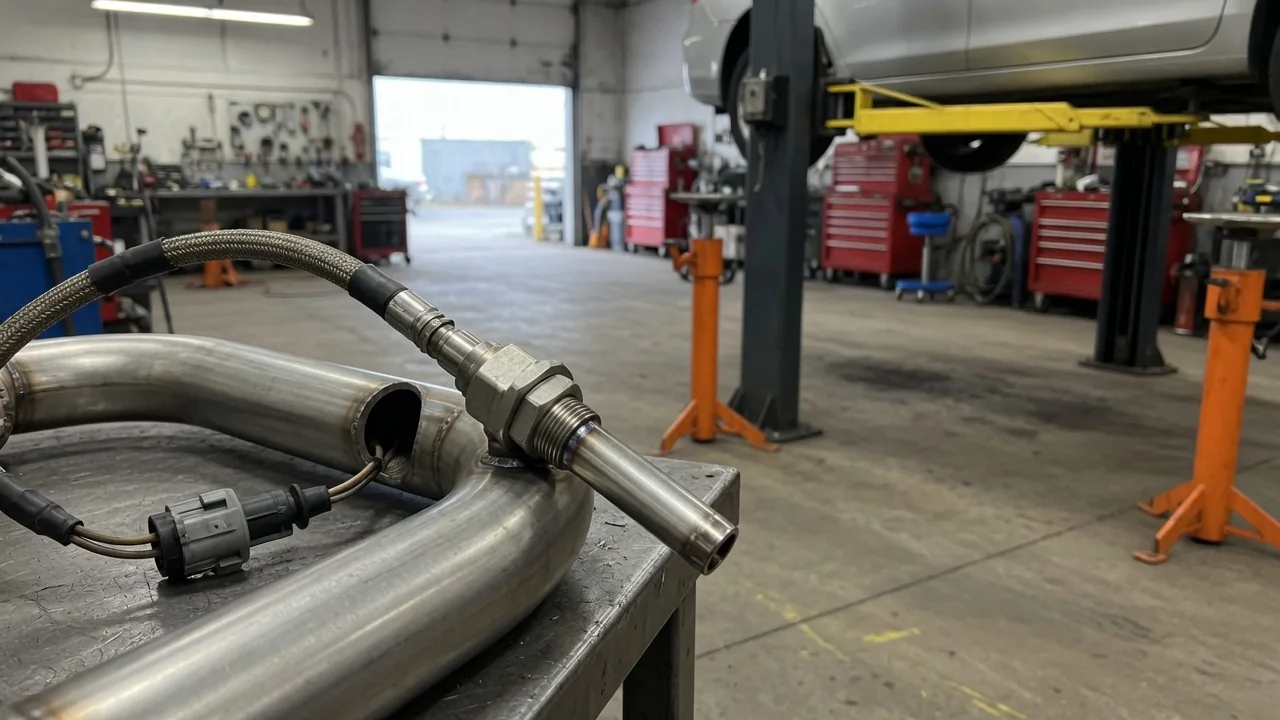
When a check engine light appears with codes like P2080, P2081, P2084, or P2085, the vehicle is reporting an issue with the exhaust gas temperature (EGT) sensor circuit. These codes point to specific sensors that monitor exhaust heat for engine protection and aftertreatment control. Understanding what each code means and how to approach diagnosis can prevent unnecessary parts replacement and help you discuss the problem accurately with a technician.
What P2080 and P2084 Range/Performance Codes Mean
Before interpreting any code, confirm the exact description and diagnostic criteria for your vehicle’s year, engine, and manufacturer. Code definitions can vary, and assumptions based on generic information may mislead. For example, the standard P2080 description indicates an exhaust gas temperature sensor circuit range/performance problem at bank 1 sensor 1, but only the manufacturer’s service information defines the specific expected voltage range or temperature plausibility that must be violated to set the code.
P2084 applies the same range/performance definition to bank 2 sensor 1. A range/performance fault does not prove the sensor itself has failed. The engine control module compares the sensor’s signal to modeled exhaust temperature during known operating conditions. If the signal is out of range, slow to respond, or implausible, the fault is set. The cause could be a sensor, wiring, connector, or even an exhaust leak or other sensor input influencing the model. Each vehicle’s exhaust layout and monitoring strategy differ, so thorough diagnosis is essential.
What P2081 and P2085 Intermittent Circuit Codes Mean
After vehicle-specific verification, P2081 identifies an exhaust gas temperature sensor circuit intermittent fault at bank 1 sensor 1, and P2085 indicates the corresponding bank 2 sensor 1 fault. An intermittent code is set when the engine control module detects brief signal dropouts, erratic readings, or intermittent opens, shorts, or out-of-range values that are not present during a later key cycle. Because the fault is often not active when inspected, traditional static tests may miss it.
Loose connections, heat-damaged wiring, or internal sensor faults can all cause intermittent issues, but evidence is needed to identify the true cause. A code disappearing or the warning light going out simply means the condition was not detected during that driving cycle. Since the underlying intermittent problem may return at any time, ignoring it risks reduced engine protection or aftertreatment damage. Investigating the conditions when the code first appeared helps replicate the fault.
Locating the Correct Bank and EGT Sensor
Bank 1 generally identifies the cylinder bank containing cylinder 1, while bank 2 refers to the opposite bank. However, physical orientation varies by engine design and installation, especially on transverse front-wheel-drive vehicles. The code alone does not guarantee which side of the vehicle holds the affected sensor; only the engine information for that specific model confirms cylinder numbering and bank location.
Identifying sensor 1 among multiple exhaust sensors requires a vehicle-specific exhaust diagram. Many vehicles have several EGT sensors, oxygen sensors, and pressure sensors along the exhaust path, which can be mistaken for one another visually. Sensor 1 is typically the first EGT sensor after the turbocharger or exhaust manifold, but its exact location differs. If the reported bank designation seems inconsistent with the vehicle, confirm the engine configuration and scan-tool description before proceeding.
Symptoms and Conditions That Affect Driving Decisions
Symptoms associated with these codes vary by vehicle strategy. Some drivers notice only an illuminated malfunction indicator lamp with no performance change, while others experience reduced power, altered shift behavior, or an inoperative exhaust aftertreatment warning. When temperature monitoring is unreliable, the engine control module may limit turbo boost or disable certain regeneration events to protect components. These effects do not themselves prove a filter or catalyst fault.
Document when the warning appears, including cold starts, sustained highway driving, or recent exhaust work. This information helps a technician reproduce the fault. Some situations require immediate attention: if you notice smoke, burning odors, severe power loss, or an explicit stop-driving warning, pull over safely and shut off the engine. Continuing to drive under those conditions may escalate damage or create a safety hazard.
Safe Observations Before a Diagnostic Appointment
Before a diagnostic appointment, record all stored and pending codes, available freeze-frame data, and any dashboard messages. Freeze-frame captures operating conditions at the moment the fault was set, such as engine speed, load, and temperatures, which can be essential for intermittent diagnosis. Do not clear codes, as this erases valuable evidence and may reset readiness monitors, complicating the technician’s work.
With the engine off and exhaust fully cool, you may visually inspect accessible wiring near the sensor location, but never reach under an unsupported vehicle or touch hot components. Look for damaged insulation, melted connectors, or wiring that has contacted hot surfaces. Note any recent repairs, impact damage, or wiring disturbance as useful context, but do not attempt electrical probing, sensor removal, or forced regeneration. These are professional-only tasks.
Professional Testing and Repair Verification
Technicians evaluate these codes using vehicle-specific procedures, wiring diagrams, and live temperature data. By monitoring the sensor’s voltage and inferred temperature during known conditions—such as a cold start or a test drive—they can assess whether the signal is plausible, responds appropriately, and remains stable. Generic resistance checks or visual inspection alone are insufficient; the sensor, connector, and circuit must each be evaluated under load and across temperature ranges.
Intermittent faults often require signal recording while duplicating conditions captured in freeze-frame data, such as heavy throttle, high exhaust temperature, or vibration. If circuit findings do not explain the code, related faults and exhaust operating conditions must be considered. A successful repair is verified by restored plausible temperature readings and completion of the applicable monitor drive cycle, not just by clearing the code and hoping it stays off.