P2004, P2005, P2006 and P2007: Intake Runner Code Diagnosis
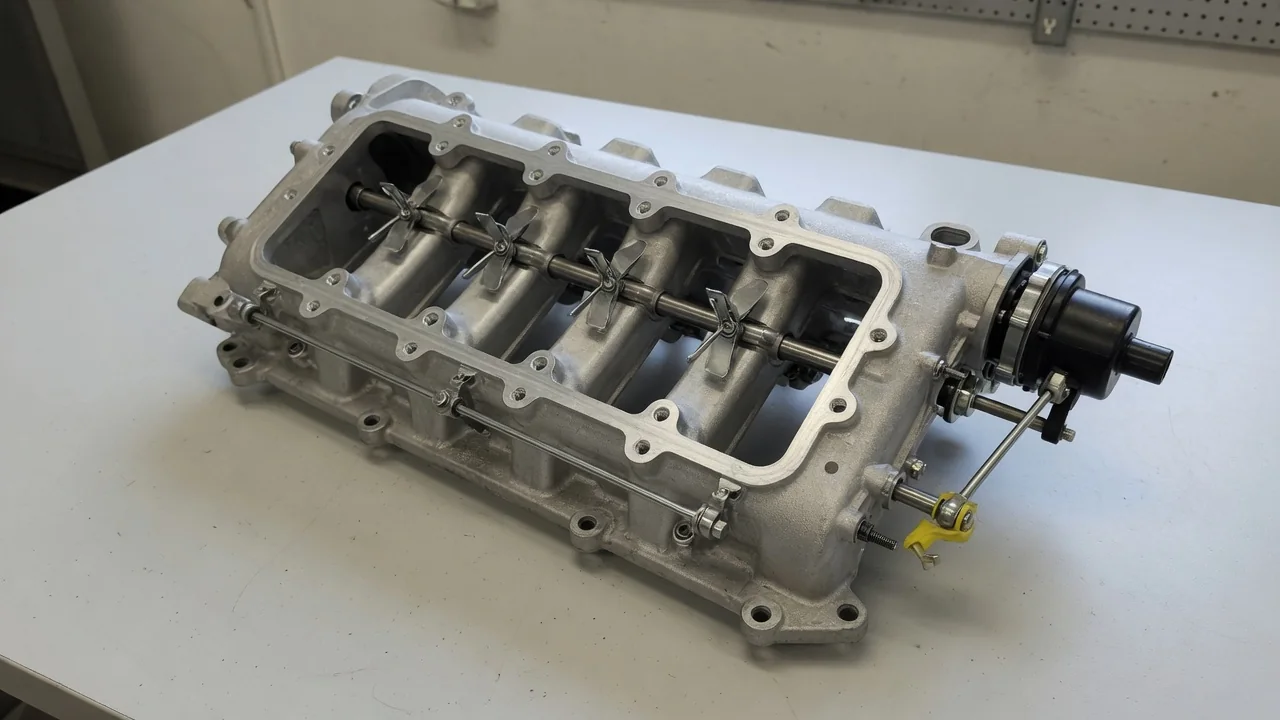
A P2004 code, or one of the related codes P2005, P2006 and P2007, means the engine computer has detected that the intake manifold runner control is not where it expects it to be. The codes describe runner control stuck open or stuck closed on bank 1 or bank 2. Knowing how runner flaps work helps you read the warning correctly before anyone replaces parts.
What P2004, P2005, P2006 and P2007 Mean
Under the standard generic definitions, the P2004 code means intake manifold runner control is stuck open on bank 1, and the P2005 code means the same stuck-open condition on bank 2. The P2006 code means runner control is stuck closed on bank 1, and the P2007 code means stuck closed on bank 2. Manufacturers can refine these descriptions and set their own conditions for running the test, so confirm the exact wording and diagnostic procedure for the vehicle's year, engine and make before you interpret a scan tool reading.
Bank 1 is the side of the engine that contains cylinder 1. Bank 2 is the opposite cylinder bank on a V-type or horizontally opposed engine. An inline engine has only one bank, so bank 2 codes may not apply to it in the same way. Where each bank sits under the hood depends on the engine, so check service information. Above all, a stuck-open or stuck-closed code reports a control problem the computer detected. It does not tell you which component failed.
How Intake Manifold Runner Control Operates
Intake manifold runner control changes the path or effective length of the air passages that feed each cylinder. Movable runner flaps or valves can redirect airflow to raise air speed and improve cylinder filling at lower engine speeds. They then open to reduce restriction when the engine needs more airflow at higher speed or load. Some designs also create swirl or tumble to help combustion. The strategy varies widely between engines, so runner behavior on one engine should not be assumed for another.
The flaps may be moved by an electric intake runner actuator or by a vacuum diaphragm controlled through a vacuum control solenoid. Don't assume either design is fitted to a particular engine. Actuator linkage carries the motion to the runner shaft, and many systems use runner position feedback so the computer can compare the commanded position with the actual one. The commanded position changes with rpm, load and temperature, so watching the flaps at idle can't confirm or rule out a fault.
Symptoms and When to Stop Driving
The most common sign is a check-engine light. Owners looking up P2006 symptoms, or symptoms of the related codes, may also notice hesitation when accelerating, uneven running, a rough idle or reduced power in a certain speed range. These happen because the airflow no longer matches what the engine calibration expects. Many drivers notice nothing at all. Having symptoms, or not having them, can't reliably tell you which part failed or whether the runners are really stuck in the position the code describes.
A code by itself can't tell you whether it's okay to keep driving. Judge how the engine actually behaves, avoid heavy loads if performance feels off, and arrange diagnosis promptly, because a mechanical problem inside the intake can get worse over time. If the check-engine light flashes, or the engine shakes badly, stalls or loses a lot of power, pull over safely and get assistance instead of driving on. Those signs point to a more serious condition.
Faults That Can Prevent Runner Movement
A failed actuator may no longer produce the force or travel the computer requests. Damaged actuator linkage can separate the motor or diaphragm from the runner shaft even when the actuator itself still moves. The runner mechanism can also bind from wear or misalignment. On vacuum-operated systems only, a cracked hose, a leaking diaphragm, weak vacuum supply or a faulty vacuum control solenoid can stop the runners from reaching the commanded position. The computer may then report them as stuck open or stuck closed.
Carbon buildup on runner flaps and shafts can restrict movement, especially where oily vapor and deposits collect, but it should not be treated as the default diagnosis. Electrical faults matter just as much. Damaged wiring, corroded or loose connectors and a faulty position sensor can interfere with control, or can report the wrong position while the runners actually move normally. Without evidence from the specific vehicle, no single cause should be ranked ahead of the others.
Safe Observations and Professional Diagnostic Tests
Before clearing anything, record every stored and pending code. Also record any freeze-frame data showing rpm, load, coolant temperature and speed when the fault set, and note when symptoms happen, such as on cold starts or during moderate acceleration. With the engine off and cool, an owner can check accessible vacuum hoses, electrical connectors and visible external linkage for cracks, disconnection or damage. Don't force parts, disconnect components or reach near moving mechanisms, because some actuators can move unexpectedly.
A technician follows the vehicle's diagnostic procedure. This often means commanding the actuator with a scan tool while watching runner position feedback to see whether the actual movement follows the request. Electrical tests check power, ground, signal and the integrity of the circuit. On vacuum systems, a gauge or vacuum pump checks the vacuum supply and whether the diaphragm holds. This controlled testing shows whether the problem is control, feedback or mechanical binding, so parts are replaced based on evidence, not just the code number.
Repairs and Checks That Confirm the Fault Is Resolved
Repairs should match what testing confirmed. That might mean repairing a split vacuum hose or damaged wiring, cleaning or replacing a corroded connector, or replacing a failed vacuum control solenoid, intake runner actuator or serviceable linkage. Internal binding or a broken runner shaft may require work on the intake manifold, and on some engines the runner mechanism can't be serviced separately from the manifold. Confirm which components are serviceable on the specific engine before you commit to a repair plan or order parts.
If a technician confirms that deposits are restricting flap movement, professional cleaning may be worth considering. It can't be promised to clear the code, though, especially if there is also wear or actuator damage. After any repair, complete any required setup or relearn procedure and verify that the runners follow the commanded position across operating conditions. Clear codes only after that check. A follow-up drive under the conditions recorded in the freeze-frame data shows whether P2004, P2005, P2006 or P2007 comes back.