P1950 Code: Meaning, Causes, and Fixes
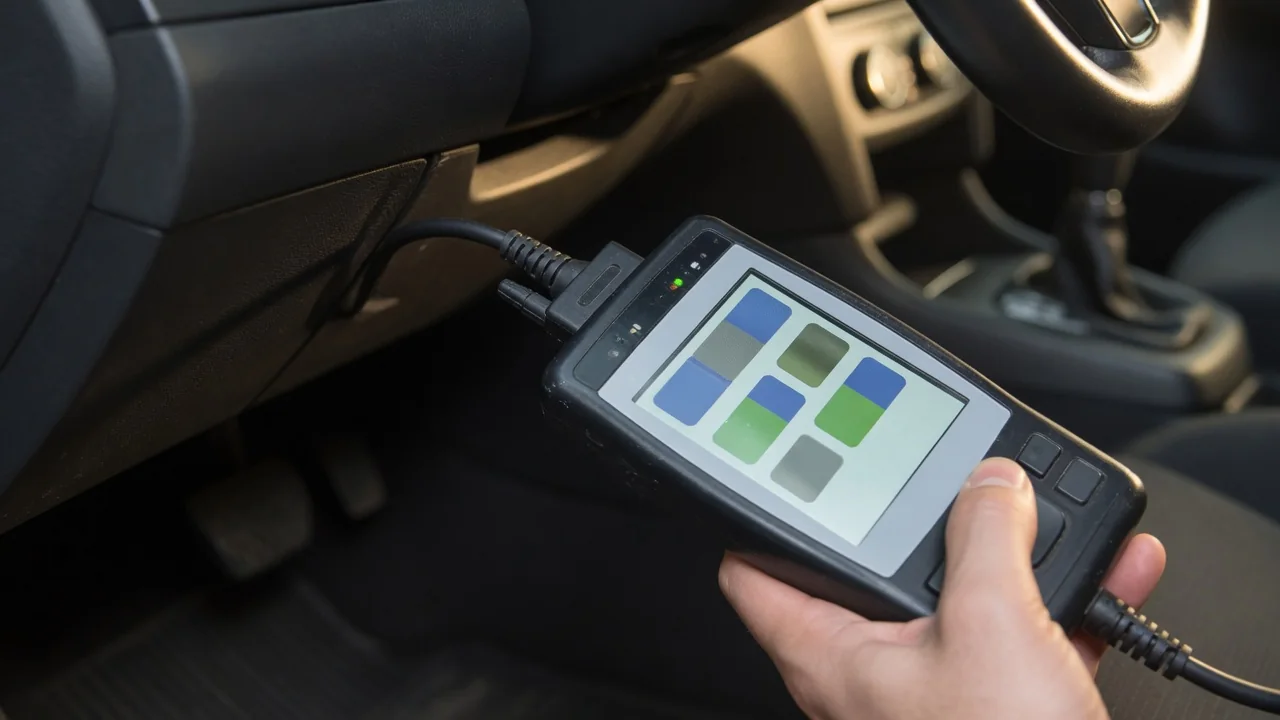
A P1950 code can leave you guessing because this family of diagnostic trouble codes does not have one fixed meaning. The P1xxx range is reserved for manufacturer-specific definitions, so the same code can point to different systems on different vehicles. Before replacing parts or assuming the worst, you need to confirm what P1950 means for your exact make, model, year, and engine. Understanding how to read the code correctly and interpreting related symptoms will help you avoid wasted repairs and get the right fix.
What P1950 Means and Why the Definition Depends on the Manufacturer
P1950 is a manufacturer-specific trouble code, meaning the definition is assigned by the vehicle maker rather than by a universal OBD-II standard. Codes in the P1xxx range are open for each automaker to define as needed, so P1950 on one brand may refer to a completely different circuit or condition on another. Any generic code list that gives a single explanation is likely misleading unless it is filtered for your specific vehicle. Always verify the definition against a factory service source or a scan tool that can read enhanced codes.
Before acting on P1950, record the full code, any stored freeze-frame data, and all related codes that appear at the same time. The freeze-frame captures engine conditions such as temperature, RPM, and load at the moment the fault was detected, which helps a technician reproduce the problem. If a generic definition tells you to replace a part, but your vehicle uses P1950 for a different system, you could spend money on a repair that does not address the actual issue. Confirming the code definition first prevents wasted diagnosis time and parts expense.
Reading the Code Correctly Before Drawing Conclusions
A basic OBD-II code reader may only display the generic message for P1950, or it may not show the code at all if it is a manufacturer-enhanced code. A professional scan tool or a factory-level diagnostic interface is often necessary to see the full definition and related module data. The tool should also show whether the code is current, pending, or stored history. A current code means the condition is present right now, a pending code means the monitor has seen a problem but not yet confirmed it, and stored history means the fault occurred in the past and may not be active.
Codes that appear alongside P1950 can be very helpful. For example, if P1950 is accompanied by a low battery voltage code, the root cause might be charging system related. If it appears with a transmission code, the system involved may be the transmission control module. However, a code does not prove that a specific part has failed; it only means the module detected a signal or condition outside the expected range. The next step is to look at live data and wiring diagrams, not to replace parts based on the code alone.
Symptoms to Watch For and Safe Observations to Note
Symptoms associated with P1950 depend on which system the manufacturer has linked to the code, but there are general categories you can watch for. The check engine light is usually on, and other warning lights such as a battery, transmission, or traction control light may also appear. You might notice changes in drivability, such as rough shifting, reduced power, stalling, or poor fuel economy. Certain convenience features or driver assists may stop working if the affected module shuts down a system as a protective measure.
Writing down when the symptom occurs makes diagnosis faster. Note whether the issue appears only on a cold start, under heavy acceleration, at highway speeds, or in wet weather. Temperature and humidity can affect electrical connections and sensor readings, and a pattern often points toward the real cause. Do not assume specific vehicle symptoms are universal for P1950; the verified definition for your car determines what to look for. If you see a flashing check engine light, a sudden loss of power, overheating, a burning smell, or any change in braking or steering, stop driving and have the vehicle towed to a shop.
Possible Cause Categories Once the Meaning Is Confirmed
Once the meaning of P1950 is confirmed for your vehicle, likely causes can be grouped into general categories. Wiring or connector problems are common, including broken wires, corroded terminals, or loose plugs in the circuit the code monitor watches. A faulty sensor or switch can send a wrong reading, or a failed actuator may not respond to a command. Module or software issues can cause false codes, and a low-voltage condition from a weak battery or failing alternator can trigger many manufacturer-specific faults.
Battery and charging-system health are often overlooked when a manufacturer-specific code appears. If system voltage drops too low while cranking or under load, modules may set spurious codes. A technical service bulletin may exist for your VIN, describing a known issue and a repair procedure such as a software update. Do not assume the first component related to the code name is bad. The confirmed definition tells you which system to inspect, and only testing can isolate the actual fault.
Diagnostic Steps a Professional Will Typically Follow
A professional diagnostic process usually starts by confirming the exact definition of P1950 for the vehicle and checking for service bulletins. The technician will then review live data from the suspect system, looking for values that are out of range or inconsistent. A visual inspection of the related wiring and connectors often reveals obvious damage, but deeper testing requires a wiring diagram and a digital multimeter. Pinpoint tests specified by the manufacturer can then isolate a single circuit or component.
Guessing and replacing parts is expensive and often does not fix the problem. For a do-it-yourselfer, safe checks include confirming the code with a second reader, looking for visible damage or loose connectors that are easy to reach, and checking battery voltage with the engine off and running. Do not attempt electrical testing on high-voltage hybrid systems, airbag circuits, fuel system components, or drivetrain controls. Those systems carry serious risk and require special tools and training.
Repair Options and What to Expect After the Fix
Repair paths for P1950 depend on what the diagnosis finds. A simple repair might involve repairing a wire or replacing a connector. If a component is verified to have failed, replacing it should clear the code, but it may be necessary to perform a module reset or relearn procedure. If the issue is software related, reprogramming the affected module with updated calibration files may be the fix. If low voltage is the cause, replacing the battery or repairing the charging system is the first step.
Clearing the code without performing a repair usually only works temporarily. The monitor that set the code will run again and the fault will return, usually within a few drive cycles. After a repair, verify the fix by completing the drive cycle required by the manufacturer and checking that all readiness monitors that failed are now complete. Do not expect a fixed repair cost; the price depends entirely on the vehicle, the confirmed cause, and local labor rates.
Is It Safe to Keep Driving With a P1950 Code?
Whether it is safe to drive with a P1950 code depends on what system the code refers to on your specific vehicle. If the code relates to an emissions or convenience feature, you may be able to drive normally for a short time. If the code affects engine performance, transmission operation, or stability control, driving could be risky or cause further damage. Warning signs like a flashing check engine light, loss of power, overheating, a burning smell, or any change in braking or steering mean you should stop driving immediately.
A stored P1950 code and an illuminated check engine light will usually cause an emissions inspection failure in areas that require OBD-II testing. Even if the car seems to drive fine, the code signals that a system is not operating as designed. A small circuit fault left unresolved can lead to a more expensive repair if it damages a module or leaves you stranded. Schedule a diagnosis soon rather than waiting for the problem to worsen.