P1921 Code: Verify Its Meaning, Symptoms and Possible Causes
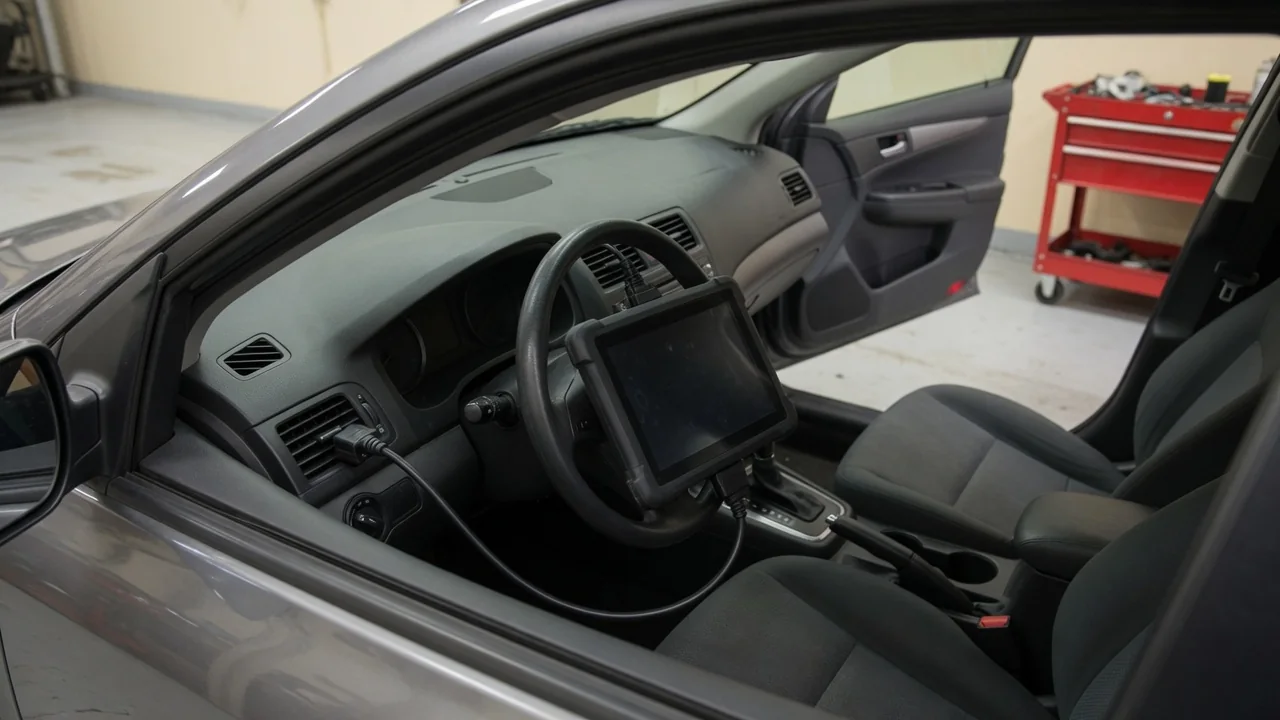
A P1921 diagnostic trouble code often appears with a scanner description that sounds definitive, yet its actual meaning can change completely between vehicle brands, control modules, and model years. Without confirming the manufacturer-specific definition, owners risk chasing the wrong system. This guide explains how to verify P1921 by vehicle, interpret symptoms cautiously, narrow plausible causes, preserve scan evidence, decide when to stop driving, and confirm an effective repair.
Verify What P1921 Means for the Exact Vehicle
P1921 is not a universal fault that points to one component. It belongs to a group of manufacturer-specific codes reserved for definitions that vary by automaker, meaning a description found online for another brand may be irrelevant. The only reliable way to know what P1921 indicates is to look it up for the exact vehicle. The make, model, model year, and powertrain are the minimum details required, because a code meaning for one engine or transmission can differ within the same model range. In many cases, the vehicle identification number is necessary to narrow down the applicable calibration or control module software.
The module that reported the code also changes what P1921 describes. A powertrain control module may log P1921 for a different condition than a transmission controller, body module, or hybrid supervisory controller. Generic scan tool text often omits that context or shows a truncated label that can mislead. Before interpreting the code, note which module stored it, then verify the description in vehicle-specific service information. The scanner label is only a starting point, not proof of a particular system failure.
Record Symptoms Without Assuming the Code Caused Them
When P1921 appears, write down everything unusual the driver notices, even if it seems unrelated. Check for warning lamps, messages on the instrument cluster, changes in acceleration, shifting behavior, engine sound, or fuel use. Some vehicles may show no noticeable symptoms at all, which is still useful diagnostic information. Record whether the problem happens only at startup, after the engine reaches operating temperature, during highway driving, or in stop-and-go traffic. Noting whether a symptom is intermittent and what conditions make it appear helps a technician reproduce the concern later.
Symptoms alone cannot explain what P1921 means or identify a failed part. Two vehicles with the same code can behave very differently because the underlying definitions are not the same. A stumble, harsh shift, or warning light could be caused by a separate issue entirely. Only after the vehicle-specific definition and affected system are confirmed can a symptom be connected to this code. Until then, treat each observation as a clue and record it objectively rather than assuming P1921 caused it.
Consider Causes Only After Confirming the Definition
Because P1921 has no universal meaning, it cannot support a universal list of common causes or a recommended replacement part. The confirmed fault description is the starting point for building a relevant cause list. For example, if the manufacturer defines P1921 as a circuit rationality fault, possibilities might include damaged wiring, poor terminal contact, a power-supply interruption, or a sensor signal outside expected limits. If the definition involves a monitored operating condition, the cause could be mechanical, hydraulic, or software-related rather than an electrical failure.
Wiring, connectors, and grounds should only be suspected where the vehicle-specific diagnostic procedure points to them. A code description may name a component, but that does not mean the component itself is defective. The monitored fault condition may result from an upstream input, a control strategy request, or an environmental factor the module did not expect. The only valid way to distinguish a faulty part from a fault condition is through the manufacturer's test sequence, which often begins with checking power and ground before condemning a component.
Preserve Useful Scan Data and Make Safe Observations
Before clearing any code, record the exact alpha-numeric P1921, the scanner's full text description, the reporting control module, and whether the code is current, pending, or history. Note any companion codes stored at the same time, because a network communication or voltage code alongside P1921 can redirect the diagnosis. If the scan tool can retrieve freeze-frame or event data, save it before clearing. That snapshot shows engine speed, temperature, load, and other conditions when the fault set. Scanner capability varies, so a basic tool may not display every data field.
Document recent battery disconnections, jump starts, collision repairs, fluid services, or aftermarket installations. Timing alone does not prove causation, but such events can help a technician choose appropriate starting points. Owner checks should remain limited to what can be observed safely with the vehicle parked and the engine off: warning messages, instrument cluster behavior, and whether the code resets after a drive cycle. Do not probe electrical circuits, unplug connectors, or reach near moving or hot components. A visual inspection from a safe distance is appropriate; hands-on testing belongs to a qualified technician.
Know When to Stop Driving and Request Testing
P1921 by itself says nothing about whether the vehicle is safe to drive. Driving suitability depends entirely on the confirmed fault definition, accompanying warning messages, and how the vehicle actually behaves. A code related to an emissions monitor may allow continued driving, while a code indicating a transmission range sensor fault could cause unexpected shifting or no-start conditions. If the vehicle exhibits reduced power, harsh engagement, stalling, or any warning that suggests braking, steering, or propulsion is compromised, pull over in a safe location and arrange for towing or roadside assistance.
A professional diagnosis begins with the verified manufacturer definition, then follows the vehicle-specific diagnostic routine. The technician uses a suitable scan tool to monitor live data, command outputs, and perform bidirectional tests when available. Circuit tests may include checking powers, grounds, signal integrity, and connector pin fit before any part is replaced. Repeatedly clearing P1921 and guessing at components erases freeze-frame data, interrupts diagnostic monitors, and can make an intermittent fault harder to find. Speculative parts replacement often wastes money without addressing the underlying condition.
Confirm the Repair and Handle a Returning P1921
A successful repair requires two things: correcting the confirmed cause and completing the applicable manufacturer verification procedure. Many modern vehicles require a specific drive cycle or monitor completion test before the code can be considered resolved. A warning light that goes out or a code that can be cleared manually does not prove the fault is gone. The underlying monitor may not have run yet, or the condition may return only under certain temperatures or loads. Owners should follow the repair facility's guidance for confirming normal operation under safe conditions.
If P1921 reappears after a repair, do not assume the same component failed again. The return could indicate a different root cause, an incomplete repair, or a new fault that happens to use the same code number. Preserve the new scan data, including any companion codes and freeze-frame information, and report the exact driving conditions when the code returned. This evidence helps the technician compare the original failure with the repeat event and avoid chasing the previous diagnosis. A returning code is not a reason to clear it immediately; it is valuable information that should be captured first.