P1913 and P1914 Codes: Vehicle-Specific Meaning and Diagnosis
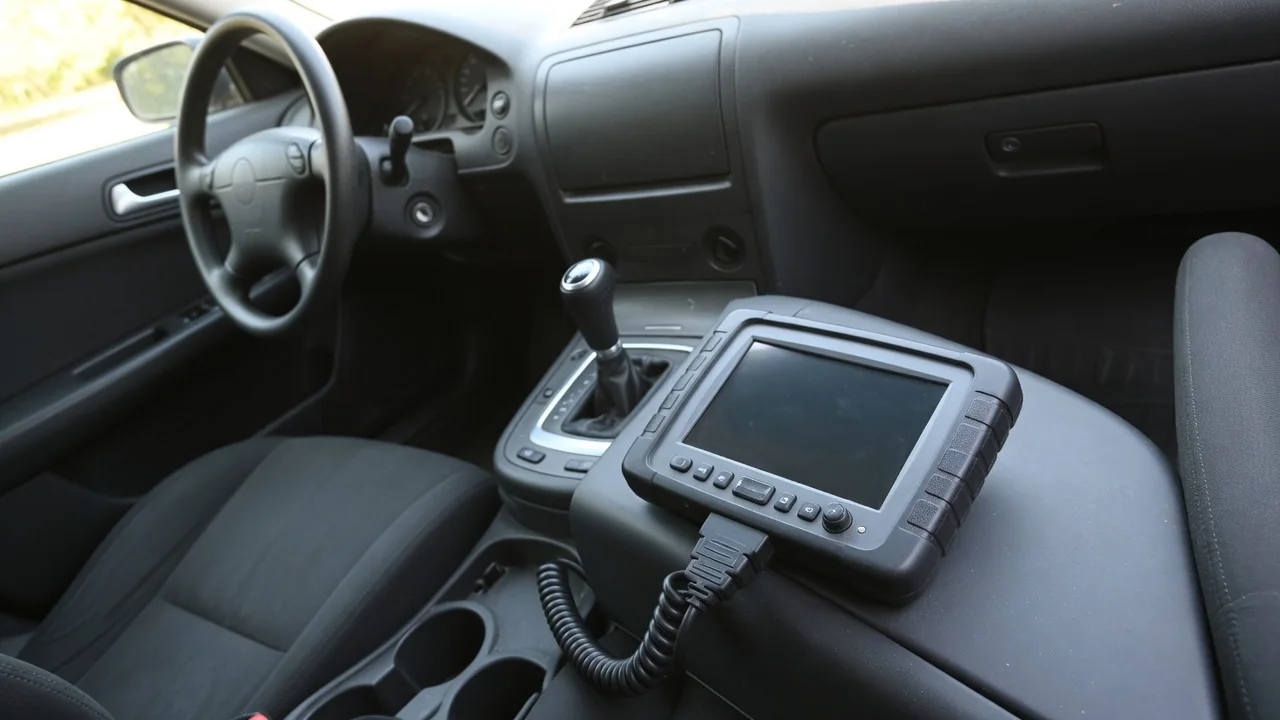
P1913 and P1914 are manufacturer-specific diagnostic trouble codes, so their meaning depends on the vehicle that stored them. Adjacent numbering does not make them interchangeable. On some applications they point to a transmission pressure switch circuit or a shift lever circuit, but that assignment must be confirmed with make, model year, transmission, and the reporting control module before any diagnosis begins.
P1913: Verify the Definition for the Exact Vehicle
A P1913 code cannot be given a universal component name or a single fault definition that applies to every vehicle. Manufacturer-specific diagnostic trouble codes use the same five-character label on different platforms, yet the monitored circuit, the reporting module, and the test criteria can differ by make, model year, and transmission family. Treating P1913 as a generic transmission failure, or assuming it always names a pressure switch, skips the identification step that determines what the module actually flagged.
Before interpreting P1913, confirm the make, model, model year, transmission type, the control module that reported the code, and the manufacturer diagnostic information written for that combination. Organize any later explanation around those verified applications. Discuss a transmission pressure switch circuit only when that confirmed definition actually identifies that circuit. A circuit-related code records a monitored electrical or signal condition; it does not prove the named switch, sensor, or assembly has failed and needs replacement.
P1914: Confirm What the Reporting Module Detected
P1914 needs its own vehicle-specific definition. Do not infer what it means from the neighboring P1913 number, even when both appear on the same scan. Adjacent manufacturer-specific codes can monitor related transmission functions, or they can address entirely different circuits depending on the platform. A generic scanner caption may be too brief to identify the affected circuit, the reporting module’s test, or the manufacturer procedure required to evaluate it.
Where the verified definition for P1914 identifies a shift lever circuit, the transmission control module is watching the signals that describe selected range so it can command shifts and present a gear position display. An implausible, missing, or conflicting lever signal can set P1914 without proving the lever mechanism itself is broken. If P1913 and P1914 both store, their presence alone does not establish a shared component, a common cause, or a single repair path.
Symptoms to Record and When to Stop Driving
Observations that may accompany these codes include a warning lamp, an unexpected gear position display, delayed engagement, or shifting that feels out of sequence. Those signs still depend on the confirmed meaning of P1913 or P1914 for that vehicle. A stored code can exist without any obvious driving change, and symptoms by themselves cannot identify the failed part. Record what you notice, but treat the code as a monitored condition rather than a completed diagnosis.
If gear selection becomes unreliable, drive is lost, or the vehicle moves when it should remain stationary, stop in a safe location and arrange professional assistance. Do not continue driving to reproduce an unsafe shifting or engagement fault, and do not plan a road test for that purpose. Uncertain range control can create unexpected movement or a loss of intended drive. Have the vehicle transported if it cannot be parked and secured without further risk.
Potential Causes Within the Confirmed Circuit
Once the circuit named by the confirmed definition is known, possible contributors include damaged wiring, loose connectors, corrosion, or a faulty switch or sensor on that path. Those items remain candidates until testing ranks them; they are not established causes from the code number. Wiring and connector faults, including an intermittent circuit fault, can set P1913 or P1914 and then disappear until conditions return. Power supply or ground problems belong among the candidates only when that vehicle’s circuit design and diagnostic procedure make them relevant.
If the verified definition is pressure-related, P1913 still does not prove actual hydraulic pressure is wrong or that internal transmission damage exists. The module reported a circuit or signal condition, not a measured line-pressure result. A control module fault is also possible, yet it requires supporting tests rather than a conclusion drawn from the code number. Treat the transmission control module as a later suspect after circuit integrity, connectors, and the identified switch or sensor have been evaluated with the manufacturer procedure.
Safe Observations to Save Before Service
Before any clearing, record the exact code text for P1913 and P1914, the reporting module, whether each code is pending, stored, or current, any accompanying codes, and available freeze-frame data. Note when the warning appeared, what gear the display showed, the symptoms observed, and any recent battery, wiring, or transmission work. That snapshot tells a technician the operating conditions the module captured when it set the fault and prevents later guesswork after the warning lamp changes.
Limit owner inspection to accessible visual observations with the vehicle securely parked and powered off. Look for obvious damaged wiring or connector issues you can see without raising the vehicle, probing terminals, or opening assemblies. Clearing codes or disconnecting the battery can erase freeze-frame data and hide an intermittent circuit fault without repairing the cause. Save the original evidence so professional tests start from what the transmission control module actually stored.
Professional Tests That Establish the Repair
A technician evaluates the confirmed P1913 or P1914 fault with manufacturer diagnostic procedures, wiring diagrams, and a scan tool that can identify the reporting module and display the required live data. Circuit integrity, power, ground, and relevant live-data comparisons help locate an open, short, or implausible signal without guesswork. Those checks stay inside the procedure written for that vehicle; they do not justify replacing parts named only in a generic code description.
Hydraulic pressure testing or internal transmission evaluation belongs only in cases where the verified definition and the first electrical results support that next step. After a repair, confirmation requires the manufacturer verification procedure and a follow-up scan, not merely replacing a named component or clearing the warning. Success means the monitored condition no longer returns under the specified conditions. Replacing a switch, lever sensor, or module without that confirmation leaves the original P1913 or P1914 unresolved.