P1875 Code: Meaning by Manufacturer, Symptoms, and Diagnosis
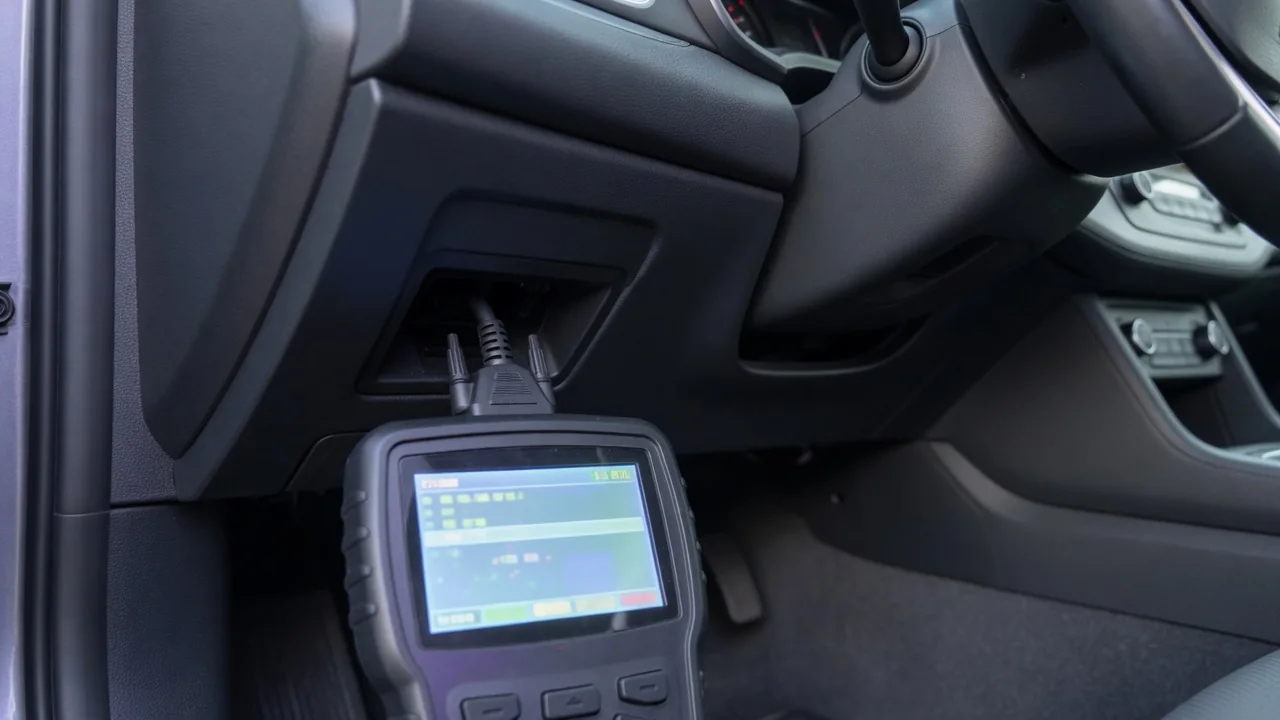
When your OBD-II scanner shows P1875, you are looking at a manufacturer-specific powertrain code, not a universal generic definition. Different automakers can assign completely different meanings to this same number, so the fault could involve the transmission, transfer case, or another system. Treat P1875 as a starting point that tells you a control module flagged an abnormal condition. Recording the code and any freeze-frame data before clearing it gives you the best chance of an accurate diagnosis.
What P1875 Means and Why Its Definition Depends on the Manufacturer
P1875 falls into the P1xxx range, which is reserved for manufacturer-specific diagnostic trouble codes. Unlike standard P0xxx emissions codes defined by SAE, P1xxx meanings are assigned by each automaker. The same P1875 can mean one thing on a General Motors vehicle and something entirely different on a Ford or Toyota. Because no single definition applies across all makes and models, generic code-lookup websites often give misleading or incomplete information.
A code is never proof that a particular part has failed. It is a signal from a control module that a monitored circuit or function behaved outside expected parameters. For manufacturer-specific codes, that signal is tied to an internal diagnostic routine defined by the automaker. Without confirming the exact vehicle application, saying P1875 always points to a transmission solenoid or a transfer case issue would be wrong.
How to Confirm the Correct P1875 Definition for Your Vehicle
To confirm what P1875 means on your vehicle, gather the full application details: make, model, model year, engine, drivetrain, and ideally the VIN. A VIN-driven search in factory service information provides the most accurate definition because it matches the exact control module calibration. A dealer service department or a professional-grade scan tool loaded with manufacturer-specific definitions can also verify the code's meaning.
Before clearing P1875, record freeze-frame data and note any other stored or pending codes. Freeze-frame captures a snapshot of operating conditions such as engine speed, coolant temperature, and vehicle speed when the fault set. Pending codes may reveal related issues that have been detected but not yet confirmed. This information is invaluable for a technician because it shows the circumstances under which the control module flagged the problem.
This article cannot provide a verified definition for your specific vehicle. Even experienced technicians would not rely on the code number alone without checking the manufacturer's application chart. Always verify the code against the exact make, model, year, and drivetrain before interpreting symptoms or planning repairs.
Symptoms to Watch For After P1875 Sets
Symptoms associated with P1875 depend entirely on which system the automaker tied that number to. In some vehicles, a transmission-related definition may produce harsh shifting, slipping, or failure to engage a gear. In others, a transfer case definition might cause a 4WD indicator light to flash or the system to refuse to shift modes. Only after confirming the manufacturer's definition can you match symptoms to the flagged system.
A driver can safely observe whether the check engine light or another warning light is on, and whether the vehicle drives differently. Some vehicles may show no noticeable symptom beyond the stored code. If a symptom does appear, write down when it happens: during a cold start, when turning, shifting between two-wheel and four-wheel drive, or on rough roads. That log helps a technician reproduce the fault and link it to the code.
Common Cause Categories Behind a Manufacturer-Specific Code
Once the definition is confirmed, common causes usually fall into broad categories. Circuit-related problems are frequent: damaged wiring insulation that allows short circuits, corroded or loose electrical connectors, and poor ground connections. These issues create intermittent voltage drop or signal loss that the control module interprets as a system malfunction.
Component-level failures can also set a manufacturer-specific code. A faulty switch, sensor, solenoid, or actuator in the monitored circuit may not respond as the module expects. Sometimes low system voltage from a weak battery or charging problem triggers misleading codes, or an outdated control module calibration causes a false fault. Technical service bulletins sometimes document such software-related faults for specific vehicle applications.
Safe Checks a Driver Can Do Before Visiting a Shop
A driver can perform non-invasive checks before visiting a shop. Read and save the codes with a scan tool, and record the freeze-frame data. Clear the memory only if you have first saved the information, then drive the vehicle normally and see whether P1875 returns. If it comes back after a full drive cycle, the fault is likely still active rather than a stored historical code.
Visually inspect easily accessible wiring and connectors for obvious damage, disconnection, or corrosion. Do not take anything apart or probe electrical terminals. A scan tool shows that a fault was detected, not which component to replace. Clearing the code without diagnosis erases freeze-frame and readiness data, making the technician's job harder and potentially delaying an accurate repair.
Repair Options and When Professional Testing Is Needed
The right repair depends on the confirmed definition and on diagnostic test results, not on the code number alone. A professional diagnosis typically involves reading manufacturer-specific live data, checking technical service bulletins for known issues, and performing circuit tests such as voltage drop, continuity, and insulation checks. The technician may also monitor the suspect circuit while wiggling the harness to find intermittent faults.
Avoid replacing parts based on guesswork. A code does not tell you to replace a solenoid, sensor, or control module. Guessing costs money and often leaves the original problem unfixed. If P1875 affects drivability, traction, braking feel, or how the vehicle handles, seek professional help promptly. A vehicle that behaves unpredictably or has a disabled safety-related system should not be driven until inspected.
Is It Safe to Drive With P1875 and Will It Clear Itself?
Whether it is safe to keep driving with P1875 depends on the verified meaning and the symptoms. No blanket answer applies. If the vehicle shifts harshly, a transfer case refuses to engage, or handling feels abnormal, limit driving and get an inspection. If there are no noticeable symptoms, a short drive to a shop may be acceptable, but the fault could worsen without warning.
Some codes are one-trip and set the check engine light immediately; others require multiple failures. A code may go inactive after a monitor passes, but it can remain stored in history. If the underlying fault persists, the code usually returns on a later drive cycle. The key takeaway is simple: verify the manufacturer's definition first, record all data, and diagnose before repairing.