P1815 Code: Vehicle-Specific Meaning, Symptoms and Repairs
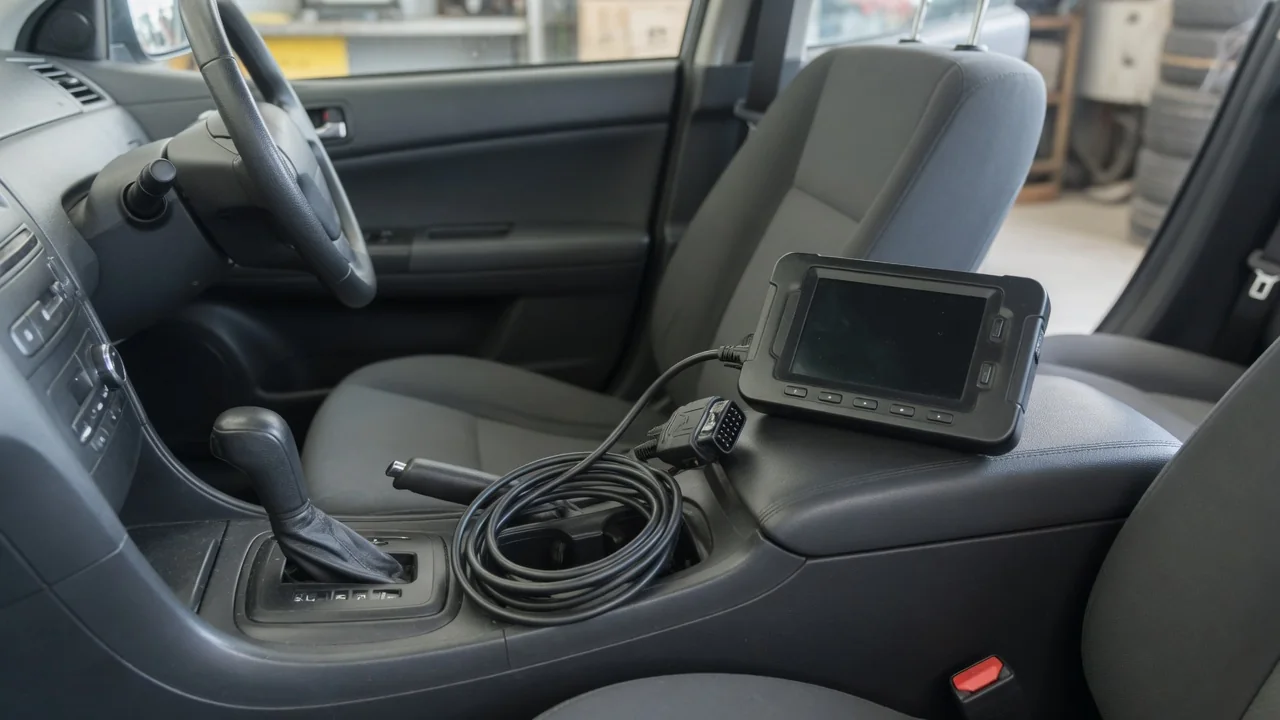
P1815 is a manufacturer-specific trouble code, so its meaning is not the same on every vehicle. Before treating it as a transmission failure, match the code to the make, model, year, transmission, and the module that stored it. A short scanner label is only a starting point. The verified definition, related symptoms, and freeze-frame data together decide whether the issue involves a gear selector, manual shift mode, wiring, or the transmission control module.
Verify What P1815 Means for Your Vehicle
P1815 must be interpreted against the vehicle that stored it. Make, model, year, transmission type, and the reporting control module all change what the code describes. On one application it may refer to a manual shift command circuit; on another it may describe a different transmission control condition. Vehicle-specific service information is required to establish the exact definition. A generic scanner description often omits the setting conditions, the monitored circuit, and which module actually reported the fault, so it should not be treated as a complete diagnosis.
Organize any manufacturer explanation around verified applications rather than a universal definition. Identify the supported system, the conditions under which the code sets, and whether the transmission control module, a body or shift-control module, or another controller stored it. If service information for that year and transmission does not list P1815, the scanner may be showing a generic short description that does not match any published definition for that application. Confirm the code number, status, and module source before comparing symptoms or planning repairs, because a mismatched definition leads diagnosis in the wrong direction.
Symptoms to Record and When to Stop Driving
Warning lights, unusual shift behavior, or unavailable selector functions matter only when they match the verified P1815 definition for that vehicle. A gear selector that will not enter manual shift mode is relevant if the confirmed application monitors that command; the same complaint may be unrelated if the code describes a different circuit. Record when the issue appears, whether it is intermittent, and whether other warnings or codes accompany it. Use existing observations. Do not try to reproduce a fault by forcing harsh shifts or driving in a way that could cause a loss of control.
P1815 by itself cannot establish whether the vehicle is safe to drive. Safety depends on what the confirmed condition is doing to propulsion, gear selection, and vehicle movement. If the transmission will not engage a drive gear, if the vehicle lurches or moves unexpectedly, or if shifting becomes severe enough to compromise control, stop in a safe location and arrange professional assistance. A stored manufacturer-specific trouble code with no drivability change still deserves a documented scan and a planned inspection, but it is not automatic proof that continued driving is either safe or unsafe.
Possible Causes Depend on the Confirmed Definition
Possible causes belong to the verified application and its diagnostic procedure, not to a universal list of common failures. Once service information confirms what P1815 monitors, follow that flowchart rather than swapping parts based on a scanner's short label. For applications that define the code around a manual shift command circuit, diagnosis may include the gear selector inputs, the path those signals take, connectors, and the control-module input that reads the request. Other applications may monitor an entirely different transmission control condition, so those selector-related items would not apply.
A trouble code identifies a detected condition. It does not by itself prove that a named switch, harness, transmission control module, or the transmission assembly has failed and needs replacement. Wiring and connector inspection is often part of the procedure when the definition involves a circuit, because an open, short, high resistance, or poor terminal contact can set the same code as a failed component. Until the confirmed tests isolate the fault, treat P1815 as evidence to interpret, not as a parts list. Manufacturer-dependent codes require vehicle-specific confirmation before any replacement is justified.
Preserve Evidence Before Professional Testing
Save the complete scan report before clearing anything. Capture code status, pending or history flags, accompanying codes, and any freeze-frame data the tool can display. Freeze-frame data records operating conditions at the time the fault was flagged and can later help a technician compare commanded inputs with what the module actually saw. Owner observations should stay conservative: note the displayed gear or mode while parked, recent spills near the gear selector, and any recent electrical or interior work. Do not remove trim or touch wiring to gather those notes.
A technician uses the correct service procedure, live module data, and commanded-input observations to narrow the fault after the definition is confirmed. That work may include comparing the requested manual shift mode with what the transmission control module reports, then deciding whether the discrepancy is in the selector, the circuit, or the input interpretation. Electrical probing, connector disassembly, circuit testing, and any checks that require a moving vehicle belong with qualified technicians. Clearing P1815 before that evidence is preserved can erase the only snapshot of how and when the condition set.
Repair the Confirmed Fault and Verify the Result
Repairs should follow the confirmed fault, not the code number alone. A verified wiring defect may require circuit repair at the damaged section, while a failed selector component may require the replacement specified for that application. Module replacement or programming is appropriate only when supporting test results and the manufacturer procedure both call for it. Substituting a transmission control module because P1815 is stored, without those results, can leave the original circuit problem in place and add an unnecessary programming step.
Clearing the code is not a repair. After the confirmed work, verification should confirm normal operation and check whether P1815 or related codes return under the conditions the service information prescribes. Ask for an estimate that separates diagnosis, the confirmed repair, and any required programming rather than a single bundled figure. Precise prices vary by vehicle and shop and should come from that estimate, not from a generic range. If the code returns, the original definition still applies: recheck the procedure, the remaining evidence, and the vehicle-specific setting conditions before authorizing more parts.