P1781 Code: Meaning, Symptoms and Diagnosis
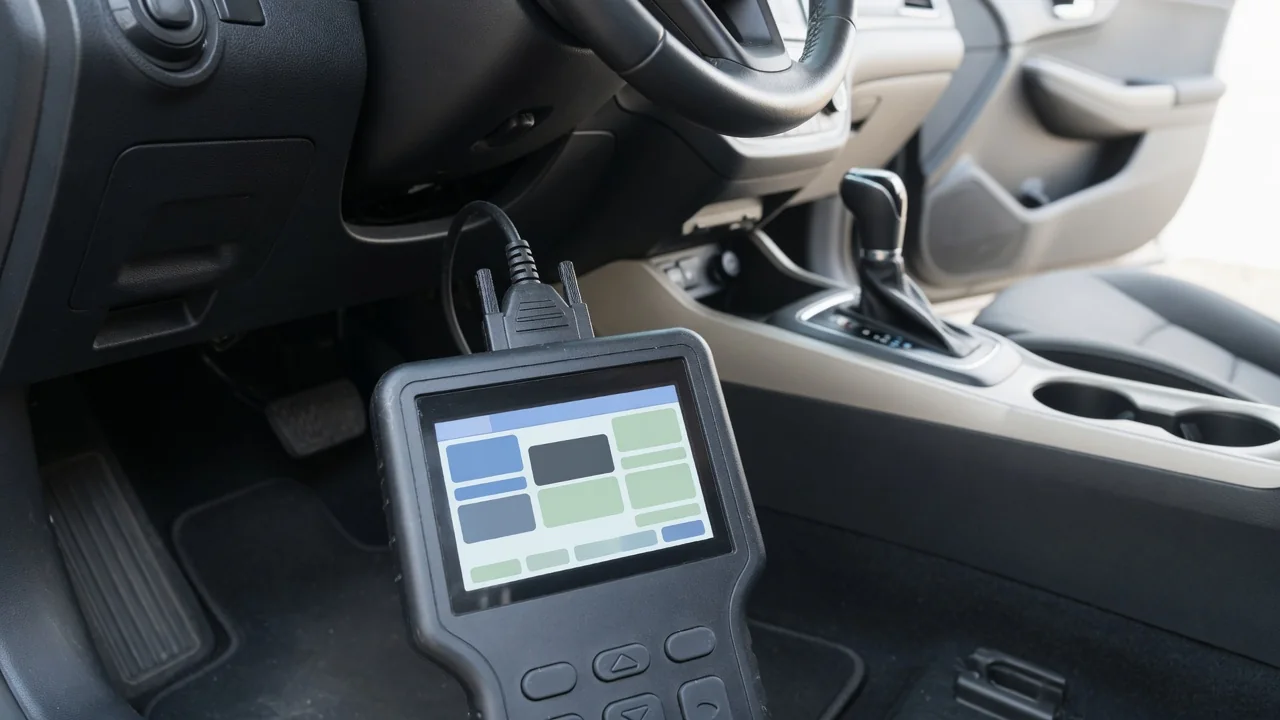
A P1781 code can leave drivers uncertain because this number does not point to one universal fault. Unlike generic OBD-II diagnostic codes that carry consistent definitions, P1xxx codes are manufacturer-specific. The vehicle’s make, model, year, and engine determine what the transmission control module is reporting. Some owners see only a check engine light, while others notice shifting problems or drive-mode warnings. Before interpreting the code, the exact factory definition must be confirmed for that particular vehicle—otherwise a diagnosis can head in the wrong direction.
What P1781 Means and Why the Definition Depends on the Manufacturer
Because P1781 exists within the manufacturer-specific range of OBD-II diagnostic codes, there is no single meaning that applies across all brands. One automaker may use this identifier for a transmission range switch circuit, another for a drivetrain mode signal, and a third for an internal module check. The code is assigned by the vehicle maker to describe a condition its engineers defined, so the same alphanumeric combination can represent completely different tests or components on different models.
To confirm the vehicle-specific meaning, a scan tool with manufacturer-enhanced data is often necessary. Factory service information for the exact make, model, year, and engine will list the code definition and the conditions that set it. A dealer or qualified shop can also access this data. Relying on a generic code list or a definition copied from a different brand is risky, because the true meaning may involve a different circuit or strategy entirely.
Transmission and Drivetrain Symptoms That May Appear With P1781
Drivers may notice several transmission or drivetrain symptoms alongside P1781, depending on the confirmed definition. A check engine light is common, but some vehicles also show unusual shift behavior, a gear indicator that reads incorrectly, or a drive-mode warning. In some cases, the transmission may hold gears longer than expected, or the vehicle may not engage a selected mode such as four-wheel-drive low range. These behaviors are clues, not proof of the exact fault.
However, many vehicles store P1781 with no noticeable symptoms other than the illuminated check engine light. Symptoms alone cannot confirm the cause, because similar behavior can come from unrelated electrical or mechanical faults. Recording when the symptoms happen—during a cold start, after shifting, over bumps, or in particular gears or drive modes—gives a technician useful context. That pattern can narrow the diagnostic path before any parts are replaced.
Possible Causes to Consider Once the Definition Is Confirmed
Once the exact vehicle definition is confirmed, possible causes can be grouped into categories: a switch or sensor fault in the identified circuit, damaged wiring or connectors, poor grounds, low system voltage, or an internal control module issue. For example, a transmission range switch may not change state correctly, or a wire may be rubbed through and shorting intermittently. The confirmed definition determines which category is most relevant to pursue first.
On some vehicles, transmission fluid condition or level can affect readings linked to the code, but this is not a universal relationship and should not be assumed without the factory definition. Likewise, the order of likelihood varies by platform—what fails often on one model may be rare on another. No single cause should be assumed. Instead, the confirmed definition plus freeze frame data and circuit testing should guide the diagnosis toward the actual fault.
Safe Checks a Driver Can Do Before Visiting a Shop
Before visiting a shop, a driver can record the freeze-frame data and any other stored codes. This snapshot shows engine temperature, vehicle speed, and other parameters at the moment the fault was set, and clearing the code erases it. The engine should be off and the vehicle secured before making any observations. A quick visual check of easy-to-reach connectors, battery terminal tightness, and signs of fluid leaks under the vehicle can reveal obvious problems without taking anything apart.
Clearing the code and watching whether it returns provides only limited information; it does not repair anything and may erase useful freeze frame data. A better step is to ask a dealer or check official manufacturer channels for technical service bulletins or software updates that apply to the specific vehicle. While no bulletin may exist for a given VIN, this check can uncover a known fix. These actions preserve diagnostic evidence and avoid unnecessary part replacement.
How Professionals Diagnose P1781
Professional diagnosis of a manufacturer-specific code like P1781 usually starts with confirming the exact definition and reviewing live data from the transmission control module. A technician watches sensor and switch states while operating the vehicle or moving the shifter, then follows the factory test plan for the suspect circuit. That may include continuity and resistance tests, voltage checks under load, and inspection of connectors and wiring harness lengths. Only after the circuit fault is found is a part replaced.
Manufacturer-level scan tools and wiring diagrams are often needed because generic scanners may not display all the data PIDs or bidirectional controls required to test the circuit. When bringing the vehicle in, tell the technician the symptoms, when they happen, recent repairs, and any other codes. This information can shorten the diagnostic time. A diagnostic fee pays for that testing time and helps avoid installing parts that are not actually faulty.
Is It Safe to Drive With P1781?
Whether it is safe to keep driving with P1781 depends on the confirmed definition and how the vehicle actually behaves. If the only sign is an illuminated check engine light and the transmission shifts normally, a short trip to a shop may be acceptable. But warning signs demand immediate attention: harsh or unpredictable shifting, loss of drive, failsafe or limp mode engagement, warning messages, or unusual noises from the drivetrain. In these cases, the vehicle should be stopped and professionally assessed.
Continued driving is not advisable if a drivetrain or four-wheel-drive mode does not engage or release as expected, because the vehicle may be stuck in a mode that is unsafe for the road surface or may shift unexpectedly. Even when symptoms seem mild, an intermittent electrical fault can worsen over time. Diagnosing P1781 soon reduces the risk of being stranded or causing further damage to the transmission control system.
Common Mistakes When Dealing With a P1781 Code
A common mistake is assuming a P1781 definition from another make or from a generic online list applies to the vehicle in question. Because the code is manufacturer-specific, doing so can send diagnosis toward the wrong component entirely. Another frequent error is replacing a sensor, switch, or control module without testing the circuit first. A wiring fault, a bad ground, or low system voltage can set the same code and cause a new part to be installed needlessly.
Clearing the code repeatedly without recording freeze-frame data or finding the underlying fault is also problematic. The code returns because the condition still exists, and the stored snapshot that could have helped is gone. Ignoring related codes can hide a shared cause, such as a voltage or ground problem affecting multiple circuits. A diagnostic approach that tests before replacing parts avoids these mistakes and leads to a reliable repair.