P1779 Code: Meaning, Causes and Fixes
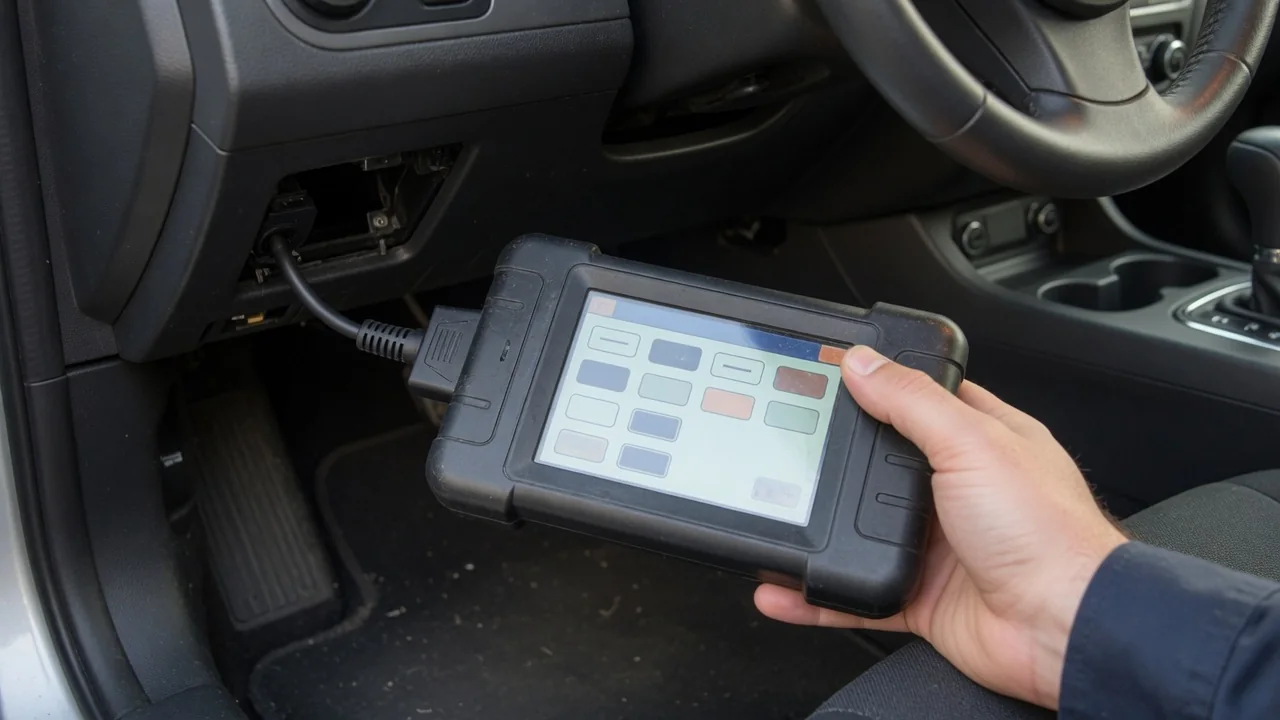
When your vehicle stores a P1779 trouble code, the check engine light means the control module detected an abnormal condition, but the exact meaning is not universal. Because P1779 belongs to the manufacturer-specific P1xxx range, it can point to different systems depending on the year, make, model, and powertrain. A generic OBD-II scan tool may show only a vague description or none at all, so you need the correct vehicle-specific definition before interpreting the fault. This article explains what P1779 may mean, how to confirm it, symptoms, causes, and the diagnostic path to a reliable fix.
What P1779 Means and Why It Depends on the Manufacturer
OBD-II diagnostic codes starting with P1 are reserved for manufacturer-specific use, meaning P1779 has no single definition across all vehicles. On one brand it may relate to transmission control, while on another it could involve an engine management circuit or body control signal. Because the meaning can vary by model year and powertrain configuration, any generic online definition should be treated as a possibility, not a certainty. Using the wrong definition can send you down an incorrect diagnostic path and lead to unnecessary parts replacement.
To confirm what P1779 means for your vehicle, you need factory service information. An enhanced scan tool that reads manufacturer-level data can often display the correct description, but the most reliable method is a VIN lookup in the manufacturer's service database. A dealer or qualified independent shop with proper software can perform this lookup. Basic code readers may show a generic phrase or nothing, and that incomplete information should never drive a repair decision. Always verify the definition before taking any action.
Confirming the Code Before You Interpret It
Before interpreting a P1779 code, record the complete picture from the scan tool. Note every code present, including companion codes, and whether each is active, pending, or stored. A pending code indicates a condition that has not yet occurred enough times to fully set, while a stored code may be from an earlier event. Writing down this full list before clearing anything preserves crucial diagnostic information. If multiple codes are present, they may be related, and the order in which they set can help trace the root cause. Clearing codes first wipes out evidence and can make an intermittent fault harder to find.
Freeze frame data is another piece of the puzzle lost if you clear codes too soon. This snapshot records operating conditions when the fault was detected, such as engine speed, vehicle speed, coolant temperature, and load. Knowing whether the code set at idle, during highway cruising, or right after a cold start helps narrow the trigger. Also write down the exact year, make, model, engine, and transmission, because definitions and diagnostic steps can change between variants. This information lets a technician or VIN lookup service give the correct interpretation for your specific vehicle.
Symptoms Drivers May Notice With P1779
The symptoms with a P1779 code depend entirely on which system the manufacturer tied it to. Some vehicles may show only an illuminated check engine light with no drivability change, while others may exhibit noticeable performance issues. You might feel harsh or delayed shifting, reduced power, a change in engine idle quality, or unusual noises. There is no fixed symptom list because the root meaning differs by manufacturer. Writing down exactly what you feel, hear, and see before visiting a shop gives the technician clues not available from the code alone.
Note when the symptoms occur: only on a cold start, after the vehicle warms up, at highway speed, or after a battery disconnect. Intermittent issues under specific conditions often point to environmental factors like temperature, moisture, or vibration affecting a connector or wiring harness. Certain warning signs require immediate attention: a flashing check engine light, sudden loss of power, overheating, or a burning smell. If any occur, stop driving as soon as safe and have the vehicle towed. Continuing could turn a minor electrical fault into major mechanical damage.
Possible Causes and the Limits of Guessing
Manufacturer-specific P1xxx codes often point to faults in a particular circuit or subsystem. Common categories include wiring harness damage, loose or corroded electrical connectors, sensor or actuator performance problems, control module communication errors, and software calibration issues. For example, a code could set when a module detects an implausible sensor signal, a short to ground or power in a wire, or an internal calculation error. The same code might be triggered by a failed component, a wiring fault, or a software bug. Without the manufacturer's diagnostic procedure, it's easy to misidentify the cause.
A stored P1779 code is not proof that a specific part has failed; it only tells you that a control module detected a condition outside its expected range. Replacing a sensor or actuator based on the code description alone often fails because the real issue may be a circuit, a connector, or even low battery voltage. Recent electrical work or aftermarket accessories can sometimes affect module behavior, but that must be confirmed through testing, not assumed. Guessing and swapping parts wastes time and money and can introduce new problems.
Safe Checks You Can Do Without Special Tools
With the engine off and cool, you can perform simple visual checks that may reveal an obvious problem. Look at accessible wiring harnesses and connectors for damage such as chafed insulation, melted spots, corrosion, or loose plugs. Pay attention to areas where wires bend or pass near hot or moving parts. Check battery terminals for corrosion and tightness, and inspect the battery case for swelling or leaks. Also verify fluid levels that the owner's manual says can be checked by the owner, such as engine oil and coolant, but never open caps when the engine is hot.
These visual checks are safe only when parked on level ground, the engine is off, and the key is out. Never reach near moving belts, hot exhaust components, or high-voltage cables on hybrids and EVs. A clean visual inspection can rule out obvious issues but cannot prove that a circuit functions correctly. Internal wire damage, intermittently failing sensors, and software problems are invisible. If your visual inspection finds nothing wrong, the code still requires proper electrical testing and manufacturer-specific diagnostics to find the cause.
When Professional Diagnosis Is Needed
Professional diagnosis of a P1779 code typically requires more than a code reader. A qualified technician will use manufacturer test procedures, observe live data, and perform circuit tests with a digital multimeter and oscilloscope. Sometimes the fix involves reprogramming a control module with updated software, which requires specialized equipment and access to the manufacturer's server. Because diagnostic paths vary widely, generic online advice cannot replace specific tests for your car. A technician with factory service information can work efficiently and avoid unnecessary part replacements.
When you take your vehicle to a shop, bring the complete code list, freeze frame data, and written symptom notes. Mention any recent repairs, battery replacements, or aftermarket installations, even if they seem unrelated. Before approving part replacement, ask the technician to confirm the manufacturer's definition of P1779 for your VIN and explain which test results point to the failed part. Repair costs and labor vary significantly, so get a diagnosis-based estimate rather than relying on a general price figure from the internet.
After the Repair: Verifying the Fix
After a repair, the P1779 code should be cleared, but that is only the first step. The vehicle must be driven under conditions similar to those that originally set the code to verify the fault does not return. During this test drive, the scan tool should monitor pending codes and readiness monitors. If the repair succeeded, the code will not reappear and relevant monitors will eventually complete. If the code returns immediately or shortly after, the root cause was not fully addressed.
Keep a record of all codes, freeze frame data, repair invoices, and dates. This documentation is valuable if the problem is intermittent or returns later, showing history and helping a technician see patterns. If P1779 returns, do not replace more parts on your own. Return to the shop that performed the original diagnosis and repair, and share your records. A professional can compare new data with previous freeze frame to determine if the failure is the same or a new issue, saving time and money.