P1778 Code: Vehicle-Specific Meaning, Symptoms and Repairs
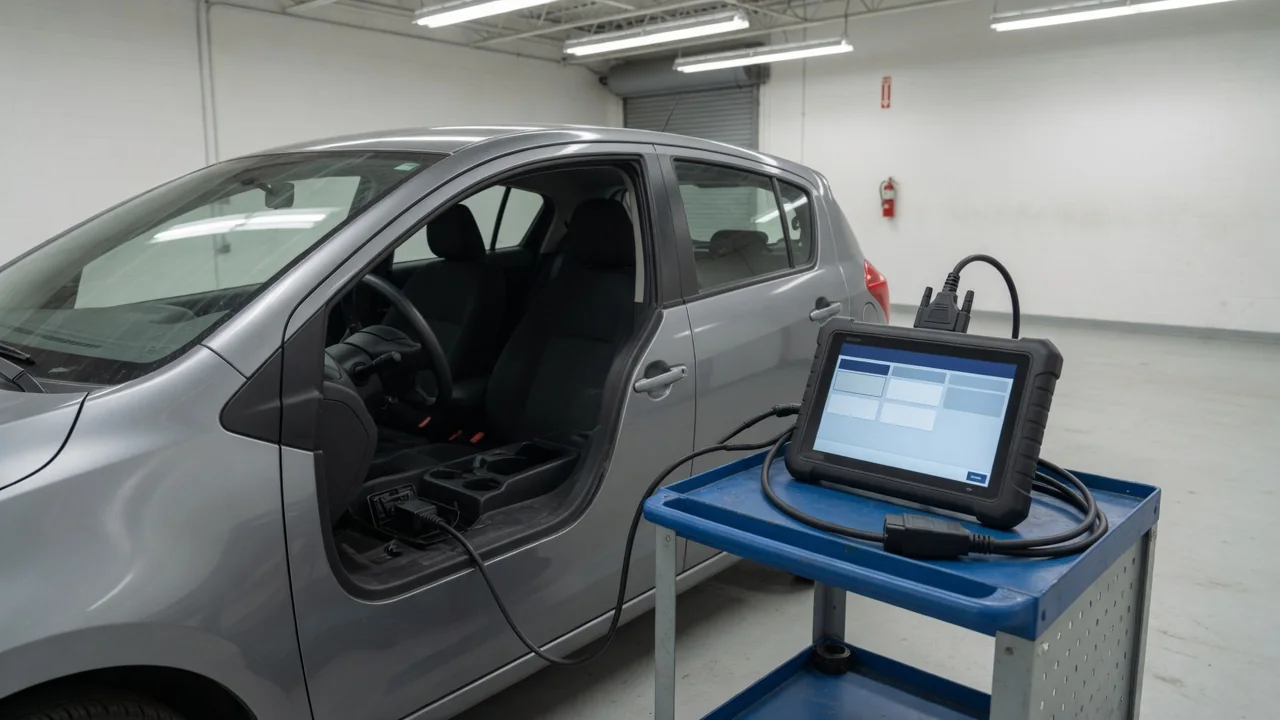
P1778 is a manufacturer-specific trouble code whose meaning depends on the vehicle that stored it. A scan tool may show only the number, so the description, reporting module, and factory information for that application have to be confirmed before any diagnosis. Drivers often search p1778 symptoms after a warning lamp or a change in how the vehicle drives, but those observations still need a vehicle-specific interpretation rather than a one-size-fits-all part replacement.
Verify What P1778 Means for the Specific Vehicle
The p1778 code does not have a single industry-wide definition. Different manufacturers can assign that number to different monitored conditions, and even related models can report it from different control units. Before treating the code as a transmission, electrical, or hydraulic problem, identify the make, model, year, engine, transmission type, and the module that stored it. That combination is what selects the correct diagnostic path, because a generic label on a reader is not enough to name a failed component.
Confirm the scan tool description against manufacturer service information for that exact application. A basic code reader may display P1778 with no text, a shortened phrase, or a description copied from another brand. Factory information, including any notes attached to the transmission control module or another reporting unit, is the source that should be trusted. Keep make-specific explanations conditional until that match is verified. Do not assign one universal solenoid, sensor, or assembly to every vehicle that stores this number.
Possible Symptoms and What Drivers Can Observe
Warning lamps and drivability symptoms may appear with P1778, yet what a driver feels still depends on the verified vehicle-specific meaning. In confirmed transmission-related applications, the vehicle might hesitate, accelerate more slowly than expected, hold or change ratios in an unusual way, or enter a restricted operating mode. Those observations are clues for diagnostic testing, not proof that a particular clutch, solenoid, or control unit has failed. Another vehicle with the same number can behave differently if the stored definition is not the same.
A stored p1778 code can also be present without an obvious driving complaint. The lamp may be the only notice, or the condition may set during a brief operating window that is easy to miss. Record when any change occurs, such as during the first miles after a cold start or after the powertrain has warmed, along with speed, load, and whether a warning message accompanied it. Do not attempt to force the condition by unsafe driving. Those notes help a technician compare freeze-frame data with what the driver actually experienced.
Fault Areas That Vehicle-Specific Testing May Investigate
Potential causes should follow the verified definition and the factory diagnostic procedure, not a list of every part that could theoretically set P1778. When that procedure supports it, electrical supply, wiring and connectors, grounds, and control-circuit integrity may need inspection and measurement. A damaged pin, corrosion, or an intermittent open can look like a failed actuator on a scan tool until the circuit is proven. Jumping to a module or valve body without those checks can replace a working part while the original circuit fault remains.
For applications that monitor a transmission system, the same caution applies to mechanical and hydraulic evaluation. Actuator response, fluid condition, hydraulic pressure behavior, and internal mechanical operation may require testing when the service information directs that work. Fluid appearance or a delayed engagement can support further inspection, but they do not identify a failed assembly by themselves. The code number cannot establish which cause is common, prove that a part has failed, or justify replacing an entire transmission without evidence from the directed tests.
Information to Save Before a Diagnostic Appointment
Before a shop visit, write down the exact code, the description shown on the scan tool, any warning messages on the instrument cluster, and every other stored trouble code. Note whether P1778 is current, pending, or stored in history if the tool reports that status. Capture available freeze-frame data, including engine speed, vehicle speed, temperature, and load at the moment the condition set. Clearing codes or disconnecting the battery can erase that snapshot and make later diagnostic testing slower and less precise.
Also record recent repairs, fluid service, battery work, and the timing of p1778 symptoms, without assuming that the last job caused the fault. Coincidence is common, and a technician still has to prove a relationship. Limit owner checks to safe observations from inside or beside the parked vehicle, such as warning lights, unusual odors, or fluid on the pavement. Leave under-vehicle inspection, electrical probing of wiring and connectors, and any transmission access to qualified technicians who have the correct information and equipment.
Professional Diagnosis and Evidence-Based Repairs
Professional diagnosis starts by confirming the correct code definition for that vehicle, scanning the relevant modules, and following the vehicle-specific diagnostic sequence. Live data from the transmission control module or other reporting unit can show commanded versus actual response, circuit status, and related sensor values while the condition is present. Directed electrical or mechanical tests then support or rule out a path. Specialized hydraulic, pressure, or internal mechanical testing belongs in a shop with the equipment the procedure requires.
Repair options should match confirmed findings, such as a verified wiring defect, a connector fault, or a component that failed its specified test. Replacing a transmission, control module, or actuator because the number appeared is not a diagnosis. After the repair, repair verification means checking operation and code status under safe, appropriate conditions, not simply erasing P1778. If the condition returns, the original cause was not corrected or a related fault remains. Clearing the memory without a road check under similar conditions does not prove the work succeeded.
When to Stop Driving and What to Ask the Shop
A code number by itself cannot establish whether continued driving is safe. If the vehicle loses propulsion, cannot maintain a safe speed in traffic, overheats, or develops severe jolting or a burning odor, stop in a safe location and arrange assistance rather than trying to complete the trip. Those conditions can worsen damage and create a hazard regardless of whether P1778 is the only stored code. Do not diagnose the cause from the roadside; the priority is getting the vehicle and occupants out of traffic.
If the vehicle still operates normally, arrange prompt assessment and follow the owner's manual for any displayed warning. Ask the shop for the verified meaning of the p1778 code on that vehicle, the test findings, the rationale for the proposed repair, and an itemized estimate. Request that the estimate distinguish diagnostic labor, parts, and related work without treating a quoted figure as a published price. Clear questions help separate evidence-based repairs from replacing an assembly because the number appeared on a reader.