P1777 Code: Verify Its Meaning, Symptoms, and Repair Steps
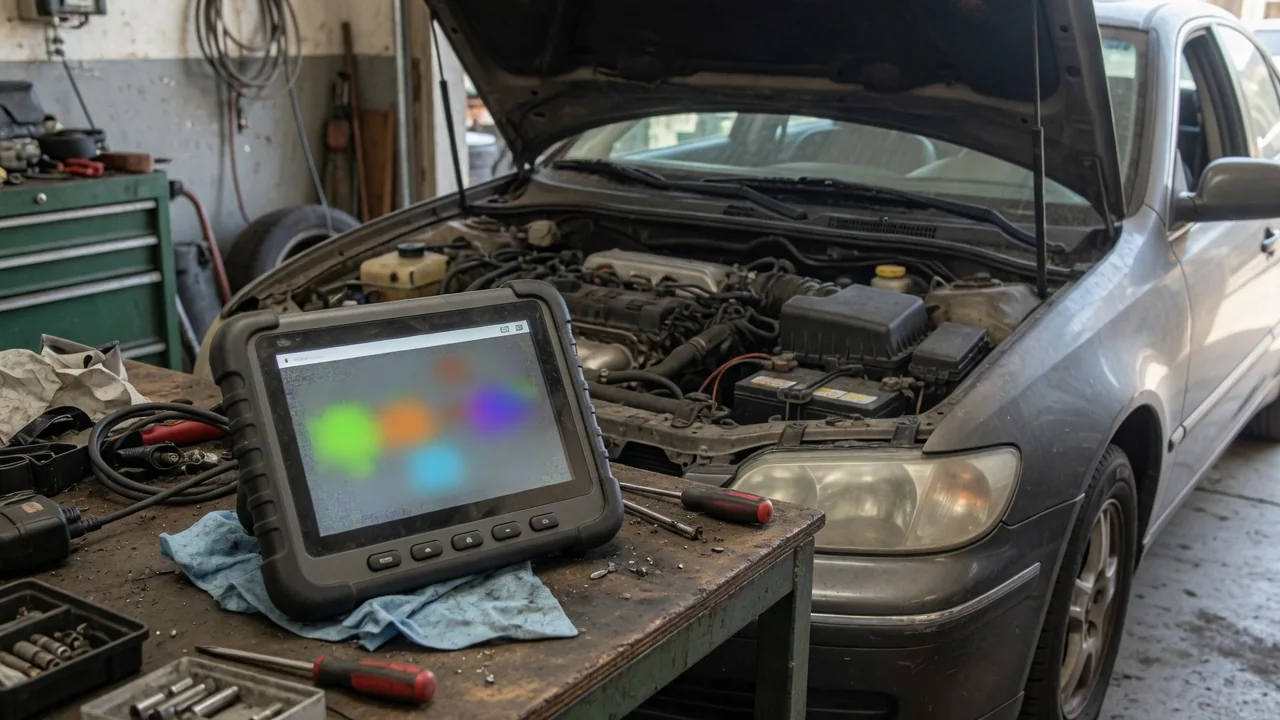
P1777 is a manufacturer-specific trouble code, so the same number can describe different conditions depending on the vehicle. Confirm year, make, model, powertrain, and the reporting module using the vehicle identification number and service information before interpreting the result. A P1777 code identifies a detected condition; it does not prove which part failed. Use the exact scan-tool description, freeze-frame data, and companion codes.
Verify What P1777 Means for Your Vehicle
A P1777 code must not receive a universal fault definition. Different manufacturers can assign that number to different monitored conditions, so the meaning depends on the vehicle that stored it. Verification starts with year, make, model, and powertrain, then the applicable service information for that configuration. The vehicle identification number helps confirm the correct calibration and module lineup. Until those details match the published diagnostic information, any assumed description of P1777 remains incomplete and should not drive parts replacement or repairs.
The reporting control module and the exact scan-tool description matter because a generic scanner label may be too brief or borrowed from another application. Read the full text attached to P1777 on that vehicle, including which module set the code and whether the status is current, pending, or stored. Diagnostic testing should treat the code as evidence of a detected condition, not as proof that a solenoid, sensor, wiring harness, or control unit has failed. Companion codes and freeze-frame data help place the report in context before any interpretation is treated as complete.
Symptoms to Record and Signs to Stop Driving
Record warning lights, dashboard messages, and any change in how the vehicle starts, moves, or shifts, without treating those observations as universal symptoms of P1777. The confirmed definition on your vehicle determines which systems could be involved. If verification shows a transmission-control concern, possible changes can include delayed engagement, harsh or missing shifts, or a limited gear range, but those signs appear only when that definition and the operating conditions support them. Note whether a message appeared with the code and whether drivability changed at the same time.
Write down whether the concern appeared at startup, after the vehicle warmed up, or during ordinary driving. Do not try to recreate unsafe behavior such as aggressive acceleration, forced downshifts, or continued driving through a loss of power. If propulsion is lost, the vehicle jerks severely, smoke appears, or an overheating warning is displayed, stop in a safe location and arrange assistance rather than continuing. Those events are reasons to halt, not proof of a particular failed part, and they should be described to the technician along with the P1777 code.
Possible Causes Depend on the Confirmed Definition
Possible causes of a P1777 code depend on the verified, vehicle-specific definition and the diagnostic procedure written for that application. When the confirmed description is an electrical circuit fault, diagnostic testing may need to examine wiring and connectors, power and ground supply, and the monitored component itself. A poor connection, damaged circuit, or supply problem can set the same code as a failed device. Until those paths are evaluated according to the published steps, a circuit-related P1777 remains a condition report rather than a completed diagnosis of one part.
Mechanical or hydraulic causes belong in the discussion only when the applicable definition and test results support them. A transmission-related P1777 might later involve fluid condition, valve-body function, or internal hardware, but those items are not automatic suspects from the number alone. Neither the code nor a symptom justifies replacing a sensor, solenoid, harness, or control module. Repair decisions should follow demonstrated test outcomes, because swapping parts without that evidence can leave the original condition in place and add new variables to the next scan report.
Safe Information to Gather Before Service
Save the complete scan report before clearing anything. Capture the exact code descriptions, status information, and available freeze-frame data so a technician can see the operating conditions present when P1777 was stored. Record companion codes, even if they seem unrelated, along with recent repairs, battery problems, or changes in vehicle behavior, without assuming those events caused the P1777 code. That background helps diagnostic testing start from facts rather than from a generic scanner label that may omit the reporting module or the full manufacturer-specific wording.
Limit owner observations to dashboard information and to visible leaks or damage viewed from a safe position. Do not crawl beneath an unsupported vehicle, and do not probe electrical circuits or disconnect connectors in an attempt to confirm the P1777 code. Clearing codes or disconnecting the battery can erase freeze-frame data, status flags, and related stored information that diagnostic testing still needs. Erasing the code also does not establish a repair; the warning light may return once the same detected condition is present again.
How a Technician Narrows Down the Fault
A technician begins by confirming the vehicle configuration, the reporting module, and the applicable P1777 diagnostic procedure for that year, make, model, and powertrain. Code status, companion faults, and recorded operating conditions then decide which tests are relevant. A current code with freeze-frame data pointing to a specific temperature, speed, or gear may lead to different checks than a stored, intermittent report. Manufacturer-specific trouble code steps should be followed in order, because skipping to a convenient part can ignore wiring and connectors or a supply issue that the procedure is designed to catch.
Professional diagnostic testing may include circuit continuity and integrity checks, connector inspection, component response evaluation, and system-level observations that compare actual values with expected behavior in the service information. Those steps stay at a high level here because hazardous procedures and unsupported specifications do not belong in owner guidance. An intermittent P1777 code may require additional observation under the conditions captured in freeze-frame data rather than a single snapshot. If a test is inconclusive, that result should not become a parts-replacement guess; further measurement or a return visit is the safer path.
Choose an Evidence-Based Repair and Verify the Result
Any repair recommendation should connect to a demonstrated fault, whether that fault is a loose connection, damaged wiring, a tested component that failed its checks, or another condition confirmed by the procedure. Programming, control-module replacement, or internal system repairs require vehicle-specific evidence, not the presence of P1777 by itself. The vehicle identification number, calibration identification, and service information help confirm whether software or hardware work is even applicable. Without that support, replacing a module can leave a wiring or connector problem in place and create a new scan report that still includes the original code.
Repair verification follows the applicable service procedure, then a follow-up scan and confirmation that the original concern is resolved under comparable operating conditions. An extinguished warning light alone does not prove the underlying problem is fixed, because a code can be pending, intermittent, or masked until the same conditions return. After service, keep the new scan report so status, companion codes, and freeze-frame data can be compared with the earlier record. If symptoms or the P1777 code return, go back for diagnosis rather than repeating an untested parts swap.