P1773 Code: Vehicle-Specific Meaning, Diagnosis and Repairs
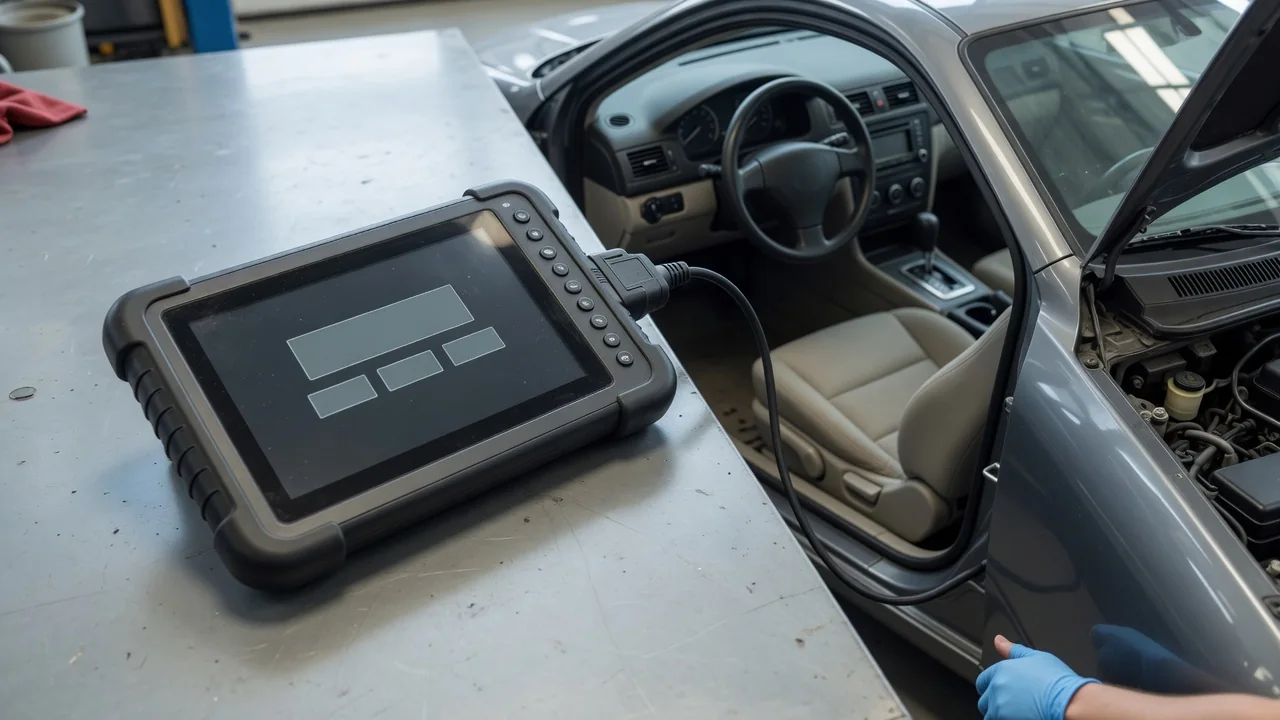
P1773 is a manufacturer-specific diagnostic trouble code, so its meaning is not the same on every vehicle. Before any repair discussion, identify the make, model, year, engine, and transmission, then confirm which control module stored the code. A scan tool reading of P1773 is a starting point for professional diagnosis, not proof that a particular part has failed. Vehicle-specific service information is required to interpret the description correctly.
Verify What P1773 Means for Your Vehicle
The P1773 code cannot be assigned one universal component, cause, or repair path. On some vehicles it may relate to the transmission control module, while another manufacturer may use the same number for an unrelated circuit or function. That is why vehicle identification comes first. Make, model, model year, engine family, and transmission configuration determine which service definition applies. Without those details, any guess about a failed solenoid, sensor, or internal assembly is unsupported and can send diagnosis in the wrong direction.
Confirm the reporting control module and the exact code description with vehicle-specific service information and a suitable scan tool. A generic scanner may display incomplete or mismatched text for a manufacturer-specific code, so treat that wording as provisional until it is verified against the factory definition. The same P1773 number can be stored by different modules depending on the application. Matching the description to the correct module, and to the year and powertrain, is the only reliable way to know what the stored diagnostic trouble code actually reports.
Symptoms to Record When P1773 Appears
Symptoms tied to P1773 depend on the verified vehicle-specific definition, and a stored code can appear without an obvious change in how the vehicle drives. Some drivers notice nothing more than a warning lamp or a message, while others notice a shift quality change only after the definition is confirmed to involve transmission control. Restricted operation, delayed engagement, or a displayed transmission warning can occur in those applications, but they are not universal symptoms of this code. Record what actually happened rather than assuming a typical failure pattern.
Note whether the warning appeared at startup, while moving, after warmup, or as an intermittent fault that comes and goes. Timing and operating conditions help a technician later compare freeze-frame data with the moment the concern was noticed. Symptoms alone cannot identify the failed component, and they do not establish that P1773 caused every reported problem. A harsh shift, a warning light, and this code can coexist for unrelated reasons. Keep a simple log of when the issue occurred, how often it returned, and whether any other messages were present.
Potential Causes Must Match the Confirmed Definition
Possible causes should be organized around the circuit, signal, or function named by the verified definition, not around a generic list of transmission parts. Once the factory description is confirmed, investigation stays inside that path. Wiring, connectors, power supply, or ground faults may need attention when they belong to the named circuit. Those electrical conditions can set a diagnostic trouble code even when the sensor or actuator itself is intact. Starting with the confirmed function keeps testing focused and avoids replacing hardware that the P1773 definition never implicated.
Sensors, actuators, control modules, and internal mechanical or hydraulic faults belong in the discussion only when vehicle-specific diagnostic information supports them. An abnormal condition detected by the transmission control module is evidence to interpret, not proof that a named part has failed. There is no supported most-common cause for P1773 across all manufacturers. A poor connection, an out-of-range signal, or a genuine component fault can produce the same stored code depending on the application. Treat each possibility as a candidate until the applicable tests confirm or rule it out.
Safe Checks Before a Diagnostic Appointment
Save the complete scan report, code status, and any available freeze-frame data before clearing anything. Freeze-frame captures operating conditions at the moment the code set, and that snapshot is often more useful than a later attempt to recreate the event. Note recent repairs, battery work, warning messages, and changes in vehicle behavior without assuming those events caused the fault. A disconnected battery or a recent service visit can coincide with a stored P1773 code for reasons that still need confirmation. Preserve the record so the technician can see the original evidence.
With the vehicle parked safely and the engine off, look for observations that do not require crawling underneath or disconnecting components. Visible fluid on the pavement, damaged accessible wiring, or a loose connector you can see without disassembly may be worth reporting. Do not perform test drives intended to reproduce unsafe behavior such as loss of propulsion, harsh unexpected shifts, or unreliable vehicle control. If shifting or vehicle control already feels unreliable, arrange professional diagnosis rather than continuing to drive in a way that could become hazardous. Owner-level checks stop at documentation and safe visual notes.
How Professional Testing Narrows the Fault
A technician should first confirm vehicle identification, the reporting module, and the applicable P1773 diagnostic procedure in the service information for that application. Code status, captured operating data, and relevant live readings then help establish when the fault occurs, whether it is current or history, and under which conditions it sets. Comparing freeze-frame data with live signals from the named circuit or function shows whether the abnormal condition is present now or only appeared under a specific load, temperature, or gear. That context guides the next test instead of a parts-first approach.
Electrical and signal testing, and any mechanical or hydraulic checks supported by the procedure, stay at a high level: verifying power, ground, continuity, and commanded versus actual response where the definition requires it. Intermittent faults may need additional observation because the condition may not be present during a short bay visit. Replacing the named component without those tests can leave the underlying fault unresolved, especially when wiring, a power supply issue, or a control module strategy is the actual source. Manufacturer-dependent codes require this vehicle-specific confirmation before any part is condemned.
Choose the Repair and Confirm the Result
Each repair should follow demonstrated findings, such as a verified circuit defect or a component that fails the applicable tests. Programming or calibration work belongs in the plan only when the vehicle-specific diagnostic findings support it, not as a default step after seeing P1773 on a scan tool. Clearing the code alone does not repair its cause and can remove freeze-frame data and status information that still matter if the fault returns. Choose the correction that matches what testing proved, then plan verification before the vehicle is returned to regular use.
Post-repair verification uses the applicable service procedure, a follow-up scan, and confirmation that the original symptom has resolved. The P1773 code should not return under the conditions that previously set it, and related warning messages should remain off when those conditions are met. Repair scope and cost depend on the confirmed fault and on how much access the work requires; there is no fixed estimate and no guaranteed fix that applies to every vehicle. If the concern persists after the first correction, further testing is still required rather than repeating an unproven replacement.