P1769 Code: What It Means, Symptoms, and How to Diagnose It Safely
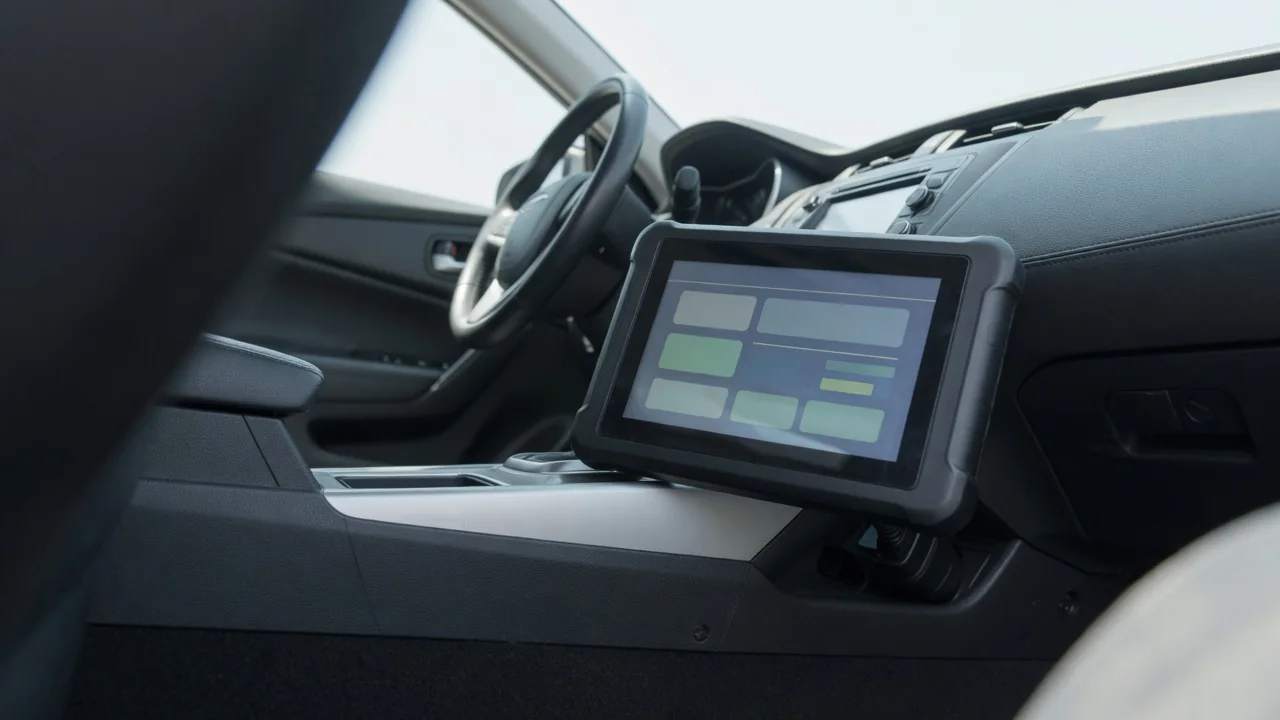
A P1769 code can be confusing because it doesn't have one universal meaning. Unlike generic powertrain codes, P1xxx codes are manufacturer-specific, so the definition depends on your vehicle's make, model, engine, and transmission. You may notice a check engine light, shifting problems, or no symptoms at all. To diagnose it safely, you need to confirm the exact definition for your vehicle, record freeze frame data, and follow a systematic approach rather than guessing at parts.
What P1769 Means and Why Its Definition Depends on the Manufacturer
Codes in the P1xxx range are reserved for manufacturer-specific fault codes. This means P1769 can have completely different meanings on different vehicles. For example, a transmission-related definition on one model may have nothing to do with the transmission on another. The specific meaning can also vary by engine size, transmission type, and even the software version in the control modules. Therefore, using a generic code lookup is risky because the description may be inaccurate for your particular vehicle.
Before you interpret the code, you must verify its exact definition. A factory-level scan tool or the official service information for your vehicle is the most reliable source. Many basic code readers only show a generic or partial description, which can mislead you. Without confirmation, you might replace a sensor or component that has nothing to do with the actual fault. The brief intentionally avoids giving one definition for all brands because assuming a universal meaning often leads to the wrong repair and wasted money.
How to Read the Code Correctly Before Drawing Conclusions
When you first read the code, record all the details before doing anything else. Write down the full code, its status (whether it is pending, current, or history), the freeze frame data, the current mileage, and any other codes stored at the same time. Freeze frame data is a snapshot of engine and vehicle conditions when the code set, such as engine speed, temperature, and load. This information can be crucial for diagnosis, so do not clear the code until you have saved it.
Related codes often matter more than P1769 alone. Many faults trigger multiple codes, and they can point to a common cause. Note the order in which codes appear, because some codes are set as a result of another fault. A basic code reader may only read the powertrain control module, while a professional scan tool can access manufacturer-specific modules like the transmission control module or body control module. Those additional codes are essential for an accurate diagnosis.
Symptoms Drivers Might Notice With P1769 Stored
The symptoms associated with P1769 depend on what the code means for your vehicle. Some drivers notice a warning light, such as a check engine light or a transmission warning light. Others experience changes in shifting, reduced power, or drivability issues. However, many manufacturer-specific codes set with no noticeable symptoms at all. The vehicle may seem to run normally, but the code is stored because the control module detected a condition outside expected limits.
Certain codes trigger protective operating modes, often called limp mode, which can limit speed or disable certain functions. The symptoms may occur only under specific conditions, such as a cold start, warm engine, a certain speed, or after rain. Keep a written note of when symptoms happen because that context helps a technician. Remember that a symptom alone cannot confirm a cause. Similar symptoms can come from unrelated faults, so do not jump to conclusions.
Possible Cause Categories and the Limits of Guessing
Possible causes for a manufacturer-specific code like P1769 can be grouped into broad categories. The first category includes sensor or circuit faults, where a sensor may be reading incorrectly or its circuit may be open or shorted. The second category is wiring and connector problems, such as damaged wires, loose connections, or corrosion. The third category covers module or software issues, including a control module that needs a software update. The fourth category is mechanical conditions within the system being monitored.
Without the verified definition for your vehicle, you cannot know which category applies. The list is a framework for diagnosis, not a parts list. Some vehicles may have technical service information or software updates that address a known issue. A dealer can check by VIN whether any such information applies to your vehicle, but do not assume a bulletin exists. Replacing parts one after another as a diagnostic method is expensive and often ineffective. Proper testing is the only way to find the true cause.
Safe Checks an Owner Can Do Without Tools or Risk
There are a few safe checks you can do without tools or risk. With the engine off and cool, visually inspect the wiring and connectors you can easily see. Look for obvious damage, such as broken wires, loose connectors, or visible corrosion. Check under the vehicle for any fluid leaks, which might indicate a mechanical problem. Also note any dashboard messages or warning lights that appear. Never touch or probe electrical circuits, and never work under a raised vehicle without proper equipment and training.
Your owner's manual can explain what each warning light means and whether it is safe to continue driving. If you can safely record a short note or video of the symptoms while someone else drives, that can be helpful for the technician. Do not try to diagnose the problem while driving, as that can be distracting and dangerous. These observations are useful, but they are not a substitute for professional testing. They simply give the technician a starting point.
When Professional Diagnosis Is Needed and What to Ask For
Confirming what P1769 means usually requires manufacturer-level scan capability and wiring diagrams. Most owners do not have access to these resources, so professional diagnosis is often necessary. Certain signs call for prompt attention: flashing warning lights, loss of power, harsh or erratic shifting, overheating, or any change that affects safe driving. If you notice any of these, have the vehicle checked as soon as possible to avoid further damage or a safety risk.
When you take your vehicle to a shop, ask specific questions. Find out what the code means for your VIN, what tests confirmed the cause, and whether any software update applies. Request the test results in writing before approving a part replacement. A reputable technician should be able to explain the evidence for the diagnosis. If they cannot, consider getting a second opinion. Proper diagnosis may cost more upfront, but it prevents unnecessary parts replacement.
After the Repair: Confirming P1769 Is Resolved
After a repair, the vehicle may need a specific drive cycle or a relearn procedure before the monitors confirm the fix. The technician should explain what is required and whether they completed it. Some repairs require the control module to be reset and then driven under certain conditions to complete self-tests. During the days after the repair, watch whether the code comes back as pending or current. If it returns quickly, the first diagnosis may have been incomplete.
Instead of adding more parts, the vehicle should be rechecked to find what was missed. Sometimes a wiring issue or a mechanical fault was overlooked. Keep records of the codes, the repairs done, and any software updates. This documentation can help if the problem recurs or if you take the vehicle to a different shop. A systematic approach and good records are the best way to ensure the P1769 code is truly resolved.