P1768 Code: Meaning, Causes and Safe Diagnostic Steps
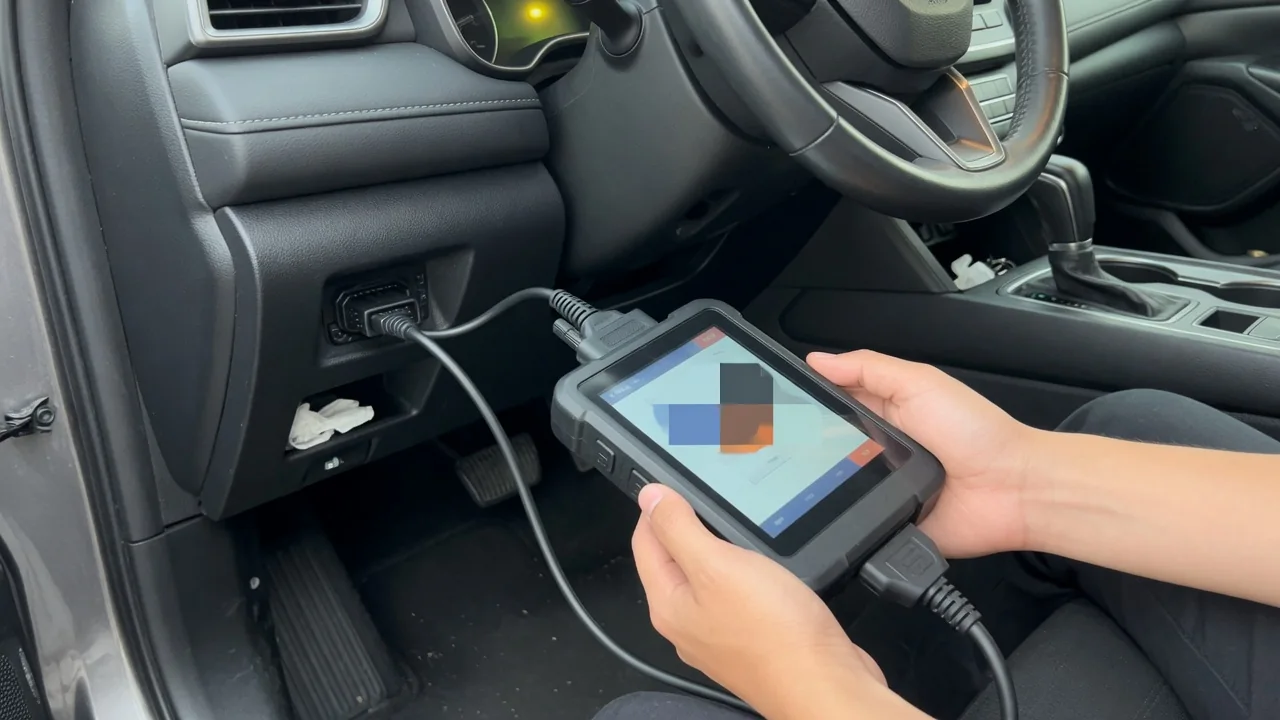
A P1768 code is a manufacturer-specific diagnostic trouble code, meaning its definition varies by make, model, year, and even engine or transmission combination. Drivers often see a check engine light or transmission warning light and wonder what the code means and how serious it is. Because P1768 belongs to the P1xxx range reserved for automaker-defined faults, a generic OBD-II code lookup may be misleading. The vehicle’s own factory service information or a scan tool with manufacturer-level data is needed for an accurate interpretation.
What P1768 Means and Why the Definition Depends on Your Vehicle
P1768 is not a universal powertrain code with one fixed meaning. P1xxx codes are set aside for each manufacturer to define their own trouble conditions. On some vehicles the code relates to an automatic transmission control circuit, such as a solenoid or pressure switch, while on others it may point to a different subsystem entirely. Because of this variability, the only reliable way to know what P1768 means for a specific car is to check the factory service information for that exact make, model, year, and engine or transmission combination.
Drivers should not act on a generic code definition found in an online database or a budget scan tool unless it matches the vehicle’s documentation. A scan tool with manufacturer-level data can often display the automaker-specific description for P1768. This description is the starting point for diagnosis. Without confirming the vehicle-specific definition, any repair attempt risks chasing the wrong circuit or component. A code is evidence of a system under suspicion, not a direct statement that a particular part has failed.
Symptoms Drivers May Notice With P1768 Stored
When P1768 is stored, the driver may see a check engine light or a dedicated transmission warning light. The light may stay on steadily or illuminate intermittently depending on the fault and driving conditions. Some owners report no obvious change in how the vehicle drives, while others notice harsh, delayed, or unusual shifting behavior. In certain cases, the transmission may enter a fail-safe or limp mode that limits vehicle speed or gear selection to protect the drivetrain from further damage.
Because symptoms vary by manufacturer and the specific meaning of the code, careful observation is valuable. Note whether the problem occurs on a cold start, after the engine warms up, only in specific gears, or at certain speeds. Record whether the warning light comes and goes, and what driving patterns seem to trigger it. This information helps a technician connect the stored code and freeze frame data to the actual behavior of the vehicle, reducing diagnostic time and avoiding unnecessary parts replacement.
Possible Causes to Consider Once the Meaning Is Confirmed
Once the vehicle-specific definition of P1768 is confirmed, possible causes become clearer but still require testing. Circuit-related transmission codes often involve wiring or connector problems such as broken insulation, loose terminals, or corrosion inside a plug. A failed sensor or solenoid can set the code, but so can low or contaminated transmission fluid affecting hydraulic or electrical operation. Control module internal faults are less common but possible. None of these causes should be assumed without diagnosis.
A stored P1768 points to a circuit or system under suspicion, not automatically to a failed part. For example, a code for a shift solenoid circuit could be caused by a bad solenoid, but it could equally be caused by a broken wire in the harness or a poor connection at the transmission case. The presence of related or companion codes alongside P1768 can change the likely cause. Comparing freeze frame data and pending codes from the same drive cycle helps separate an electrical issue from a mechanical or fluid-related concern.
Safe First Checks Owners Can Do Without Special Tools
Before clearing any diagnostic trouble code, read and record all stored and pending codes along with the freeze frame data. The freeze frame is a snapshot of sensor values and operating conditions at the moment the code was set. This data is lost when codes are cleared with a basic scan tool, and it often contains the clues needed to confirm the fault. Do not clear the code only to see if it returns; instead, note the exact driving conditions and let the vehicle complete its normal drive cycle while observing behavior.
With the engine off and the vehicle safely parked, a careful visual inspection can help. Look for obvious damaged, loose, or corroded wiring and connectors, especially near the transmission or along the wiring harness. Check the owner's manual for any fluid level or condition guidance and follow only the manufacturer's stated procedure, since many transmissions require specific temperature and shifting steps for an accurate reading. Avoid disassembly, working under a raised vehicle without proper support, or probing live circuits with a test light or multimeter unless the service information gives a safe procedure.
Limits of DIY Diagnosis and When Professional Testing Is Needed
Pinpointing the fault behind P1768 often requires manufacturer-specific scan data, wiring diagrams, and electrical or pressure testing that goes beyond basic code reading. A professional scan tool can monitor live data from the transmission control module, activate solenoids, and read many manufacturer-specific parameters. Electrical tests may include checking resistance, continuity, or voltage at a connector, but these must be done according to the factory diagnostic procedure to avoid airbag, high-voltage, or transmission damage.
Swapping parts based on a guess can waste money and may not clear the code. A new solenoid or sensor will not fix a broken wire or a poor ground. If the vehicle is shifting erratically, entering limp mode, or flashing warning lights, a qualified technician should inspect it promptly. Ask the shop to confirm the vehicle-specific code definition and share the test results before approving any repair. The diagnostic time spent finding the true cause is often less expensive than replacing good parts unnecessarily.
Is It Safe to Keep Driving With P1768?
Whether it is safe to keep driving with P1768 stored depends on what the code means on your specific vehicle and on the symptoms you are experiencing. If the car drives normally and there are no warning lights beyond the steady check engine light, short-term driving may be acceptable, but the vehicle should still be inspected. If shifting feels abnormal, acceleration is affected, or the transmission is in limp mode, limit driving and have the car towed or taken to a repair facility immediately to prevent further damage.
Ignoring a transmission or powertrain-related fault can lead to more extensive problems, but the exact outcome depends on the underlying cause and vehicle design. Clearing the code to turn off the light is not a fix; the code will return if the fault condition exists. The safest approach is to treat P1768 as a signal that the transmission or engine management system has detected an abnormal condition. A prompt, correct diagnosis protects the vehicle and can prevent a minor electrical issue from becoming a costly transmission repair.