P1765 Code: What It Means, Likely Causes and How to Diagnose It Safely
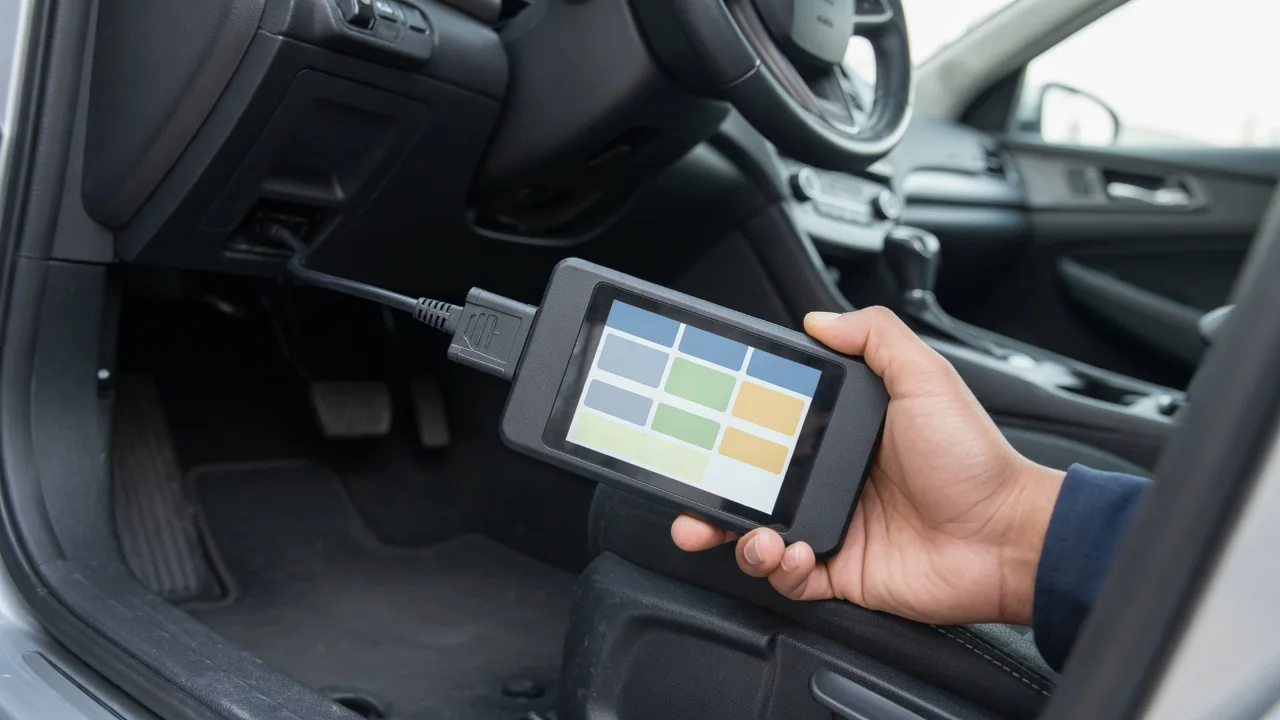
When a P1765 code appears, there is no single definition that fits every vehicle, because it falls in the manufacturer-specific P1xxx range of OBD-II diagnostic codes. The same number can point to different systems on different makes and models, so the meaning must be confirmed for the exact vehicle before any repair. A check engine light or transmission warning may accompany the stored code, along with freeze frame data that helps trace the fault.
What P1765 Means and Why the Definition Depends on Your Vehicle
P1765 is a manufacturer-specific trouble code, meaning its definition is assigned by the automaker rather than a generic OBD-II list. On one brand it may refer to a transmission pressure control solenoid circuit, while on another it could indicate a transfer case actuator or internal control module issue. Without knowing the exact make, model, year, and engine, any interpretation is guesswork.
To confirm the meaning, use a scan tool with enhanced manufacturer data, factory service information, or a dealer or qualified shop that can look up the code for that vehicle. A generic online definition or one written for a different brand can lead to wasted time and wrong repairs. The code is a starting point, and every later diagnostic step depends on knowing which system the manufacturer assigned it to.
Reading P1765 Correctly: Freeze Frame, Code Status and Related Codes
Reading the code status matters: a current code means the fault is active right now, a pending code means the condition was seen but not yet confirmed over enough drive cycles, and a history or stored code means it occurred previously but is not currently active. Freeze frame data records conditions such as speed, temperature, and load when the code was set, which can reveal whether the fault happens only when cold or under certain driving situations.
Always record any other codes stored alongside P1765 before clearing anything, because they often point to a shared wiring harness, electrical connector, or control module problem. Clearing codes erases that evidence, forcing the technician to wait for the fault to return. A basic code reader may not show full manufacturer-specific detail, while an enhanced scan tool can display sub-codes and live data that narrow the search.
Symptoms Drivers May Notice With a P1765 Code
Symptoms depend entirely on which system the manufacturer assigns to P1765, so no single symptom list fits every vehicle. Common observations include a check engine light or amber wrench icon, changes in drivability such as hesitation or rough shifting, reduced power or limp mode, or no noticeable change at all. Noting when symptoms occur—cold or warm engine, certain speed, load, weather, or after specific events—helps diagnose.
Having no obvious symptoms does not mean the code can be safely ignored, because a fault that affects emissions or safety systems may worsen without warning. If the vehicle behaves unpredictably, loses power in traffic, or shows other warning lights, stop driving and seek help, as some conditions can create a safety risk. A stored code is evidence of a problem, not proof that everything is fine.
Possible Causes Once the Manufacturer Definition Is Confirmed
Possible causes can only be narrowed down after the vehicle-specific definition is confirmed. Broad categories that apply to many electronic fault codes include wiring or connector problems, a faulty sensor or actuator, low or incorrect fluid in the monitored system, and control module software or internal faults. For example, if the code relates to a transmission solenoid, a chafed wire or dirty connector is just as likely as a bad solenoid.
Low system voltage or a weak battery can sometimes trigger or confuse electronic fault codes, so voltage checks are a sensible early step. Replacing parts based on the code number alone often wastes money without fixing the fault, because many components share the same code. Avoid claiming any cause is the most common for a specific brand without verified service information, as that leads to incorrect assumptions.
Safe Checks You Can Do Before Visiting a Shop
Before visiting a shop, a few safe checks are possible. With the engine off and key removed, look for obviously damaged, loose, or corroded connectors and wiring in easy-to-reach areas, but do not poke or disconnect anything unless you know how. Compare the condition to the owner's manual only for fluid levels the manual says an owner can safely check, such as engine oil or transmission fluid on models with a dipstick.
Battery condition and terminals can be checked for looseness or corrosion, since a weak battery causes false codes. A dealer can run the VIN to check for technical service bulletins or software updates that address P1765. However, never work on hot, pressurized, high-voltage, or moving components, and do not disconnect modules or wiring without proper knowledge, because airbag, hybrid, or fuel system parts can be dangerous.
When P1765 Needs Professional Testing
Pinpoint testing usually requires manufacturer diagnostic procedures, wiring diagrams, and proper test equipment, which is why a professional shop is often the next step. A technician typically verifies circuit integrity with a digital multimeter, checks sensor or actuator function with a scope or scanner bi-directional controls, and confirms module communication and software level. Without the right service information, diagnosing a manufacturer-specific code can lead to dead ends.
Some repairs may need module programming or a relearn procedure after parts are replaced, such as a transmission adaptive reset or solenoid calibration. Giving the shop the codes, freeze frame data, and symptom notes speeds up diagnosis and prevents repeat testing. Before approving any part replacement, ask for a written diagnosis that explains how the testing pointed to that component, rather than a guess based on the code alone.
Clearing P1765 and Confirming the Repair Worked
Clearing P1765 without fixing the root cause usually leads to the code returning, sometimes immediately, sometimes after one or more drive cycles. A drive cycle is a specific sequence of engine start, warm-up, and driving conditions that the computer uses to run readiness monitors and confirm a fault. After a repair, the code may not clear itself immediately; the vehicle may need to complete a drive cycle under conditions similar to those in the freeze frame data.
After a repair, re-scan after a test drive to see if P1765 has cleared and readiness monitors are complete. A returning code means the root cause was not found, and diagnosis should continue rather than replacing more parts at random. Note that clearing codes resets readiness monitors to incomplete, which can cause an emissions inspection failure, so plan ahead if an inspection is due soon.