P1764 Code: Meaning, Causes and Fixes
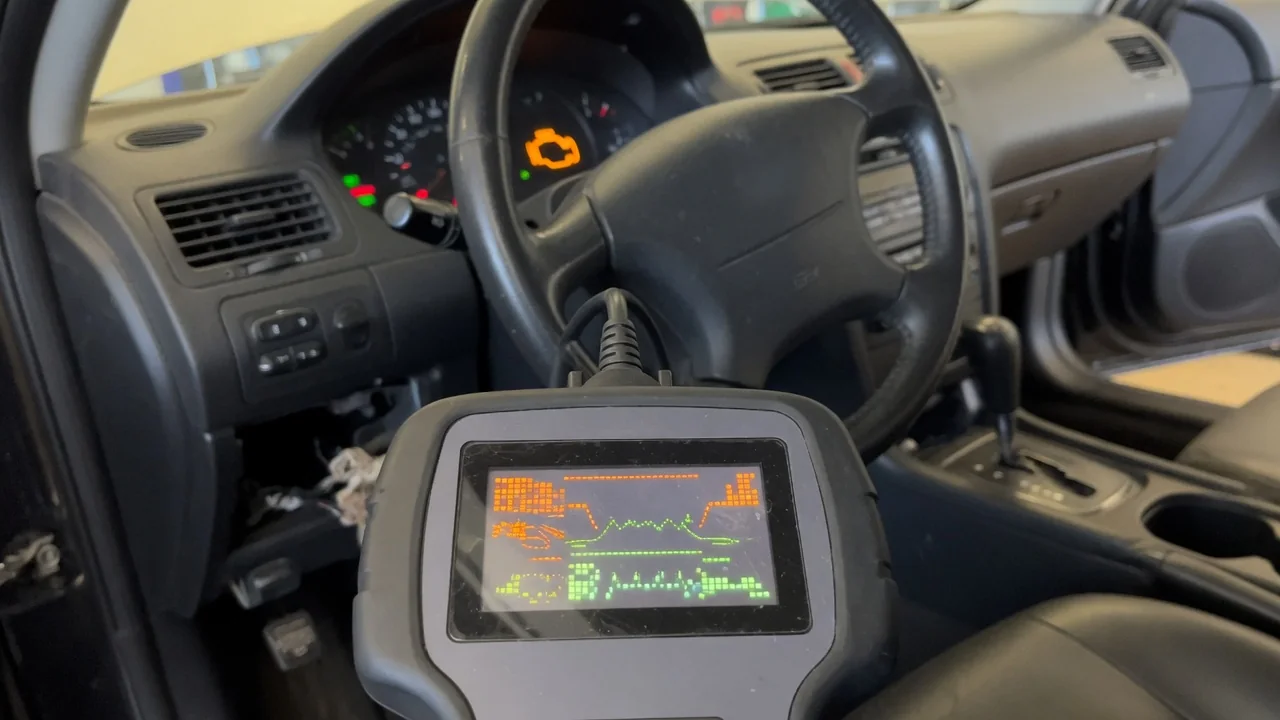
When a P1764 trouble code appears, many drivers are left confused because it does not have one universal meaning. This is a manufacturer-specific P1xxx powertrain code, so the exact definition depends on your make, model, year, and even the transmission. A generic OBD-II scan tool may show only the number or a vague description, while an enhanced diagnostic tool or factory service information can reveal the specific circuit or system involved. Understanding what P1764 means for your vehicle is the first step toward a correct repair.
What P1764 Means and Why the Definition Depends on the Manufacturer
P1764 is part of the P1xxx range, which automakers reserve for their own enhanced diagnostics beyond the generic OBD-II definitions. Because each manufacturer assigns different meanings, the same code can point to a different sensor, actuator, or control module circuit on another brand. Checking the definition in factory service information or with a dealer is essential. Relying on information from a different vehicle can lead you down the wrong diagnostic path and waste time.
A standard code reader often provides only the alphanumeric code and perhaps a generic phrase like "manufacturer control." However, a professional scan tool with enhanced manufacturer support may display a more precise description, such as a specific solenoid, range sensor, or clutch pressure circuit. When the exact meaning is unknown, it is safer to research the code for your vehicle rather than guess. Note the model year as well, because definitions can change within the same manufacturer.
Symptoms Drivers May Notice With P1764 Stored
Some drivers notice an illuminated check engine light or a transmission warning indicator, while others report changes in driveability such as harsh shifting, delayed engagement, or reduced acceleration. Yet many P1764 codes appear with no obvious symptom at all. Because the code may relate to different systems depending on the vehicle, you cannot assume a particular symptom will be present. The absence of noticeable changes does not mean the code is unimportant, especially if it returns after clearing.
Paying attention to when symptoms occur can help a technician. For example, note if the issue appears during a cold start, while the engine warms up, under heavy load, or at highway speeds. Write down these details before visiting a shop. Certain signs indicate the vehicle should not be driven: a flashing warning light, sudden power loss, harsh or erratic operation, overheating, or burning smells. In such cases, stop driving and have the vehicle towed to prevent further damage or a safety risk.
Possible Causes to Consider Once the Meaning Is Verified
Possible causes for P1764 fall into broad categories: a faulty sensor or actuator, damaged wiring or connectors, low system voltage, or a problem with the control module or its software. The code indicates where the control module detected an abnormal signal or electrical condition, not which specific part has failed. For instance, a wiring issue can make a perfectly good sensor report incorrect data. Therefore, testing is required to isolate the true fault.
When multiple diagnostic trouble codes are stored alongside P1764, they should be reviewed together. A related code may point to a shared circuit, a communication error, or a low-voltage condition affecting several components. Ignoring additional codes can lead to a misdiagnosis. Avoid assuming any single cause is the most common, because the meaning varies by manufacturer and model. Only after confirming the specific definition can you narrow down the likely culprits.
Safe Checks Before Visiting a Shop
Before visiting a shop, you can gather useful information without turning a wrench. Use a scan tool to record all stored and pending codes, plus freeze frame data that shows engine and vehicle conditions when the code was set. Save or photograph this information before clearing anything, because clearing erases valuable diagnostic clues. These simple steps can help the technician understand the circumstances under which the fault occurred.
Perform only safe visual observations with the engine off and cool. Look for obviously damaged or disconnected wiring, corroded connectors in easy-to-reach areas, and signs of fluid leaks near the transmission or engine bay. Check the battery and charging condition in general terms; low voltage can trigger false codes or make modules behave erratically. While clearing the code and seeing if it returns can indicate whether the fault is intermittent, it does not fix the underlying problem.
How a Professional Diagnoses P1764
A professional diagnosis typically starts with confirming the manufacturer-specific definition for your exact vehicle. The technician will then check for technical service bulletins that may describe known issues and updated repair procedures. Afterward, they will follow the factory diagnostic tree, which provides step-by-step tests for the affected circuit or system. This process helps avoid unnecessary parts replacement and focuses on verified causes.
Using proper tools, the technician may monitor live data to see sensor values in real time, measure circuit voltages and resistances, and perform component tests. Because many P1764 codes relate to transmission or engine control circuits, a scan tool with enhanced capabilities is often needed. Some vehicles may require a software update or a module check as part of the diagnosis, but that depends on the confirmed definition. When describing the problem to a shop, explain the symptoms and ask for the tested cause rather than a guess.
Fixes, Driving Risk and What Not to Assume
The right fix for P1764 depends entirely on the confirmed cause. It could be as simple as repairing a damaged wire or cleaning a corroded connector, or as involved as replacing a failed sensor, actuator, or control module. In some cases, a software update may resolve the issue. Because the code is manufacturer-specific, there is no universal repair. Replacing parts based only on the code number is risky and often leads to wasted money without solving the problem.
If the vehicle behaves normally and there are no safety symptoms, gentle short trips may be acceptable while you arrange a diagnosis. However, if you notice flashing warning lights, sudden power loss, harsh operation, or burning smells, stop driving immediately. Avoid assuming the code is harmless just because the car seems fine. Obtain repair estimates only after a proper diagnosis has identified the faulty component, not before, to ensure you pay for the real fix.