P1763 Code: Vehicle-Specific Meaning, Causes, and Next Steps
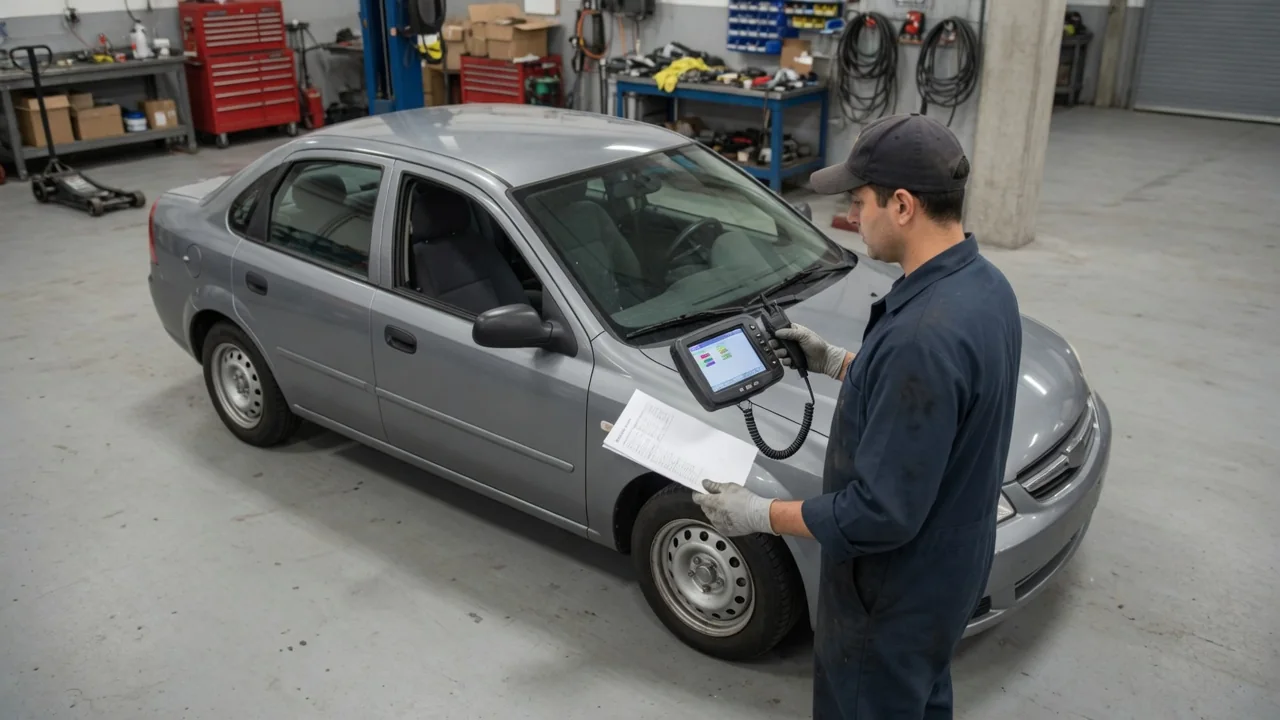
A P1763 code on your scan tool is a manufacturer-specific powertrain fault, so its meaning changes with the vehicle. Without confirming the exact application, any guess about a sensor, shift solenoid, or control circuit is unreliable. The code indicates that a monitored transmission or engine parameter fell outside expected values, but the responsible module may differ. This guide explains how to verify the definition and record useful symptoms before testing or repair.
Verify the Vehicle-Specific Meaning of P1763
P1763 is a manufacturer-controlled powertrain code, so it does not have one universal definition. You must confirm the year, make, model, engine, and transmission before interpreting what it means. The code's description can vary from a governor pressure sensor fault to a shift solenoid circuit issue or a torque converter clutch concern, depending on the platform. Vehicle-specific service information and the reporting control module establish the correct definition and diagnostic procedure. A short scanner label alone does not establish the failed component.
The module that sets the code matters because engine, transmission, and body controllers can all report manufacturer-defined faults. A P1763 stored in the transmission control module often points to a different circuit than the same code reported by the engine controller. Service information for the exact vehicle narrows down which wires, sensors, or actuators to test. Without that confirmation, you risk replacing an expensive part that is not defective.
Symptoms to Record When P1763 Appears
Record any warning lights, changes in shifting, delayed engagement, or restricted operation when P1763 appears. The transmission may hold gears too long, shift firmly, or feel like it starts in second gear. Some vehicles enter a fail-safe mode that limits speed or prevents certain gears. These observations matter, but not every P1763 application produces them. Note whether the behavior occurs at startup, after warming up, or during ordinary driving, because temperature and operating mode can change how a fault presents.
A stored code can exist without an obvious driving symptom. The controller may have detected an intermittent signal error that has not returned, or the fault may affect a function you have not used yet. Even a harsh shift or a delayed engagement is only an observed symptom, not a confirmed connection to the vehicle-specific P1763 fault. Write down what you feel, when it happens, and how long it lasts, but leave cause-and-effect conclusions to the diagnostic process.
Possible Causes Depend on the Confirmed Definition
Possible causes depend on the confirmed definition, and a circuit fault does not automatically prove that the named sensor or actuator has failed. For a governor pressure sensor code, you may be dealing with damaged wiring, a loose connector, poor power or ground, or corrosion inside a plug. The sensor itself can fail, but so can the wiring between it and the controller. Test each part of the circuit before condemning a component that may be healthy.
When the verified definition points to a solenoid, switch, or position sensor, the failure may be electrical, mechanical, or hydraulic. Fluid condition, level, and pressure can affect a monitored circuit if the controller compares commanded and actual states. Internal mechanical wear may produce a code only under certain loads or temperatures. Avoid ranking causes by frequency and do not recommend replacement parts without test evidence. Let the diagnostic procedure, not the code title, lead the way.
Safe Checks Before a Diagnostic Appointment
Before a diagnostic appointment, save the exact code wording, reporting module, code status, and any freeze-frame data. That snapshot shows engine temperature, vehicle speed, and other conditions when the fault was recorded. Do not clear the code or disconnect the battery, because that erases valuable evidence. Document recent repairs, battery work, or fluid changes and when symptoms began, but do not treat those events as proven causes. The technician needs the raw information.
Limit your own checks to visible leaks beneath the parked vehicle, dashboard messages, and readily visible damage in the engine bay, without touching hot or moving parts and without going underneath. Fluid checks should follow the owner's manual; many modern transmissions have no dipstick and require a specific temperature and procedure. Leave sealed systems and checks requiring specialized conditions to a professional. An incorrect fluid fill or a burned hand is not worth the risk.
Driving Decisions and Professional Testing
The code alone cannot establish whether continued driving is safe. A P1763 related to a shift solenoid may allow normal operation, while the same code on another vehicle could indicate a slipping clutch or a loss of pressure control. If you experience loss of propulsion, severe engagement problems, overheating warnings, smoke, or a substantial fluid leak, stop safely and arrange assistance. Continuing to drive under those conditions can turn an electrical repair into a transmission overhaul.
A technician follows the verified diagnostic procedure using a scan tool to read live data, command outputs, and monitor the suspect circuit. Electrical circuit testing checks wiring resistance, shorts, and voltage drops. When specified, hydraulic or mechanical testing evaluates pump pressure, clutch apply, or valve body operation. Owners should not probe circuits, bypass controls, disconnect components with the vehicle running, or attempt to reproduce severe symptoms. Those actions can cause injury or further damage.
Repair the Confirmed Fault and Verify the Result
Tie repairs to demonstrated faults. If circuit testing shows high resistance in a solenoid ground wire, repair the wire. If a sensor fails its prescribed resistance or voltage test, replace the sensor and retest the circuit. Clearing P1763 or disconnecting the battery does not correct the underlying cause. The code will return as soon as the controller runs its monitor and sees the same bad data. Some repairs may require programming, calibration, or a relearn procedure that is supported by the exact vehicle's service requirements.
After the repair, verify the result. A post-repair scan should show the fault has not reset and that related monitors have run successfully. The technician may check live data to confirm the sensor or actuator reads within specification. A safe, technician-directed operational check should reproduce the conditions that set the code. Before work begins, request an estimate that separates diagnostic labor, confirmed repair work, and any required follow-up procedures. That protects you from paying for an unneeded part.