P1760 Code: What It Can Mean, Symptoms, Causes, and Diagnosis
When a P1760 code appears, it rarely means the same thing on every vehicle. Because it belongs to a range of manufacturer-specific trouble codes, its definition depends on the exact make, model, year, and powertrain combination. Owners need to confirm the correct description before chasing a false lead, then look at symptoms, stored data, and test results to separate a bad component from a wiring issue or an unnoticed control module problem.
What P1760 Means and Why It Depends on Your Vehicle's Manufacturer
P1760 is a manufacturer-specific diagnostic trouble code, so it has no single universal meaning that applies across all makes and models. Unlike generic OBD-II codes that follow a standardized list, a P1xxx code is assigned by the vehicle maker to describe a condition that matters to their own systems. The exact circuit, component, or control strategy flagged by P1760 can change completely from one manufacturer to another, and even between models or model years from the same brand.
Because of that variation, the correct first step is to confirm the definition for your exact vehicle using factory service information, a dealership, or a scan tool that supports manufacturer-enhanced descriptions. If a generic internet list gives you a meaning for P1760 that was written for another brand or platform, you may end up testing the wrong sensor or replacing a part that was never involved. Remember that the code description points to the circuit or system the control module saw as out of range; it does not prove which specific part has failed.
How to Read and Record a P1760 Code Correctly
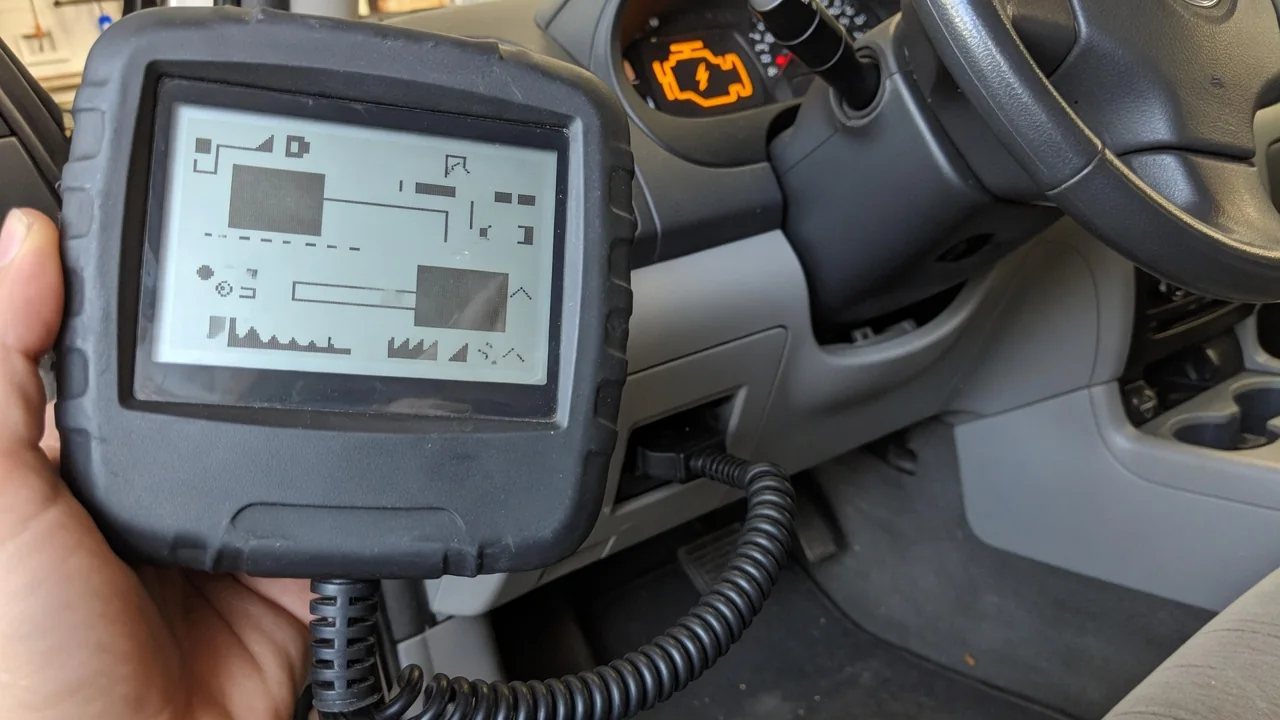
A basic generic code reader may display only the number P1760 and a vague phrase like "manufacturer control," which tells you almost nothing useful. To see the full description your vehicle's control module intended, you need a scan tool capable of reading manufacturer-enhanced codes. These tools can often access the same definitions that a dealership would see, saving you from a wild guess and letting you collect the rest of the evidence before any parts are disturbed.
Do not clear the code before you record everything that came with it. Write down whether the code is current, pending, or stored, and save the freeze frame data that shows the operating conditions when the fault was first noticed. Also list every other code that appears in the same scan. Those related codes often point to a shared power supply, ground, communication line, or mechanical system, and that clue can narrow the diagnosis before a single test is performed.
Symptoms Drivers May Notice With a P1760 Code
The symptoms that accompany a P1760 code depend almost entirely on the system the manufacturer tied the code to. On some vehicles there may be no noticeable change in behavior—nothing more than an illuminated check engine light or a stored code found during an inspection. On others, the code may point to a transmission-related circuit, and the first clue could be a change in the way the vehicle shifts or responds when you press the accelerator.
Watch for distinctions that a technician can use: harsh or delayed shifting, unusual engagement when moving from Park to Drive or Reverse, reduced power under acceleration, or the vehicle entering a fail-safe or limp mode that limits speed and gears. Note when the symptom happens—cold start, fully warmed engine, a particular speed or gear range—and how often it repeats. If the vehicle becomes unpredictable, refuses to shift or move properly, or shows several warning lights at once, stop driving and have it towed rather than risk an unsafe situation.
Possible Causes Behind P1760 and the Limits of Guessing
For a manufacturer-specific code like P1760, the possible causes fall into a few broad groups, but you cannot safely rank them without knowing the vehicle definition. A faulty component such as a solenoid, sensor, or control module may be responsible, or the fault could be in the wiring harness, an electrical connector with corrosion or loose terminals, a fluid-related issue that affects pressure or lubrication, or even a problem inside the transmission control module or powertrain control module itself.
Guessing based on the code number alone is a common and expensive mistake. The same P1760 might point to a completely different system on another brand, so ordering a part because a forum post mentions it rarely ends well. In some cases the actual fix is not a part at all—a software update or a technical service bulletin may address the exact condition on your vehicle. A dealer can check for those updates, but only after the code's meaning and your recorded data point to the right subsystem.
Safe Checks You Can Do Before Visiting a Shop
Before you take the vehicle to a shop, you can perform a few safe, non-invasive checks. With the engine off and the key removed, inspect any wiring and connectors you can see without taking components apart. Look for obvious damage, insulation that is cracked or rubbed through, terminals that are green or white with corrosion, or connectors that are not fully seated. Also note any fluid leaks under the vehicle, especially around the transmission, transfer case, or axles, and record where they appear to come from.
If your owner's manual describes a safe fluid-level check for the relevant system, follow that procedure exactly and do not remove additional covers or plugs. Do not attempt any pressure tests or electrical probing unless you have factory service information and the right equipment. A weak battery or charging system can also produce misleading P1760 codes on many vehicles because module voltages drop below their expected range, so confirm the battery terminals are clean and tight and the vehicle starts strongly. If the code returns after being cleared, the fault is still present and needs proper testing.
How a Technician Diagnoses P1760
A professional diagnosis starts by confirming the manufacturer's definition of P1760 for your exact VIN and build, not by taking a guess from a generic code list. With that definition in hand, the technician reviews the freeze frame data you saved and follows the factory diagnostic flowchart for the suspected circuit. The flowchart may begin with simple voltage or resistance checks at a connector, then move through more involved tests only if the basic measurements do not reveal the fault.
The technician may use live data from the scan tool to watch how the relevant sensor or solenoid behaves while the engine runs or the vehicle is driven under specific conditions. Specialized equipment like an oscilloscope, a breakout box, or a transmission pressure gauge may be needed to confirm a suspected failure. Bring all stored codes, freeze frame information, your symptom notes, and any recent repair or maintenance history to the appointment. That evidence helps the technician avoid replacing parts that were never faulty and usually shortens the time the vehicle is in the shop.
Repair Options and Whether It Is Safe to Keep Driving
The repair for P1760 depends entirely on the confirmed cause, and it can range from repairing a damaged wire or cleaning a corroded connector to replacing a failed solenoid, sensor, or control module. In some cases reprogramming or updating a module with the latest manufacturer software is the correct repair. Because the same code can lead to such different work on different vehicles, no one can responsibly quote a price or labor time until the exact fault is found.
How quickly you should act depends on the symptoms and the system involved. If the code is tied to transmission or drivability control and you notice harsh shifting, slipping, delayed engagement, or reduced power, continued driving can add stress to mechanical parts that are not being controlled correctly. Even if the vehicle drives normally, a stored P1760 means the control module saw something outside its expected range; leaving it unaddressed can let a small electrical issue grow. After the repair, confirm the code does not return after a suitable drive cycle, and follow your technician's advice on how long to monitor the vehicle.