P1759 Code: Meaning, Causes, and Fixes by Manufacturer
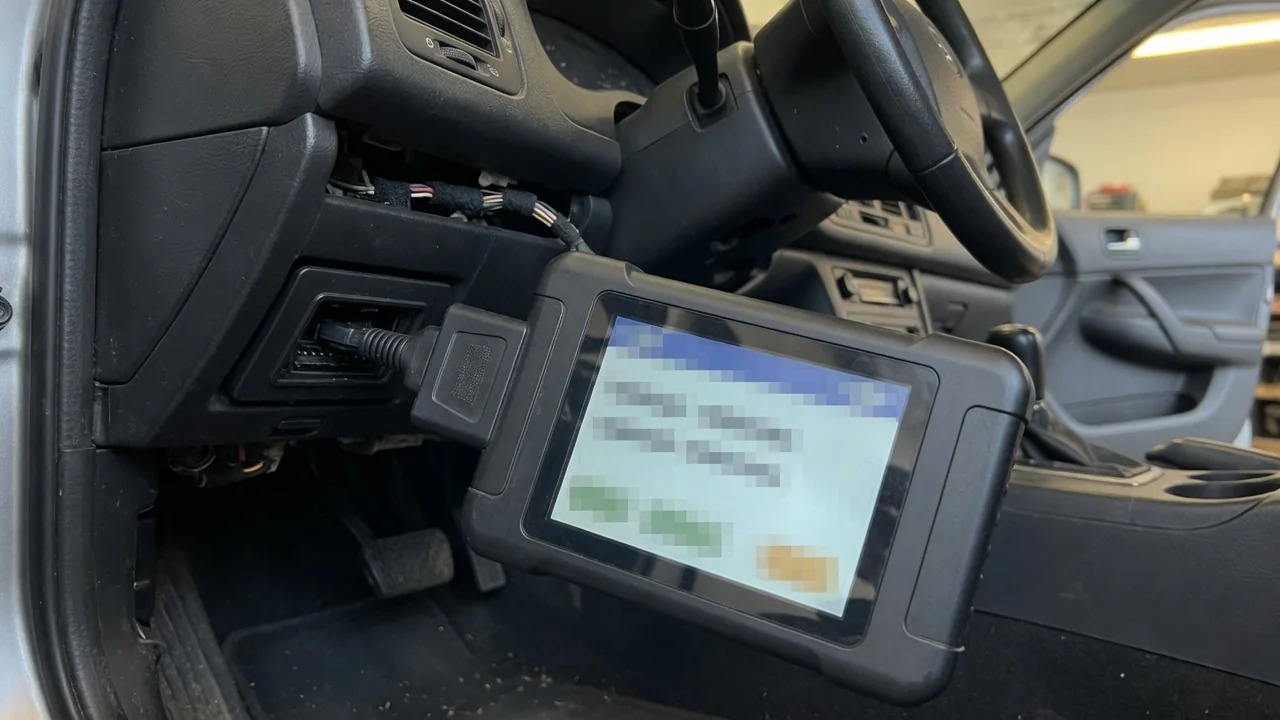
A P1759 code on your dashboard scanner can be confusing because it does not point to one universal fault. This alphanumeric diagnostic trouble code belongs to the manufacturer-specific range, so its meaning shifts between automakers. One vehicle may use it for a transmission pressure control solenoid issue, while another defines it as a different drivetrain problem. Acting on an incorrect definition can lead to wasted repairs and unresolved symptoms, so understanding how to verify the code for your exact vehicle is the best first step.
What P1759 Means and Why It Varies by Manufacturer
P1759 falls under the P1xxx family of diagnostic trouble codes reserved by the OBD-II standard for manufacturer-specific assignments. There is no single universal definition that applies to every make and model, which is why two different vehicles can set the same code for completely unrelated conditions. On many cars and trucks, the P17xx range points toward transmission or drivetrain control, often involving solenoids, pressure switches, or the transmission control module. However, the exact system, component, or condition referenced depends entirely on how the manufacturer programmed the code.
Because of this variation, you must confirm the code definition with a scan tool that supports your make, the factory service information, or a dealer before you act on it. Generic online code lists frequently give one fixed meaning for P1759, and relying on them can lead you down the wrong diagnostic path. A professional-grade scanner or manufacturer software will show the exact description and any related data. Without that confirmation, any repair attempt is based on guesswork rather than your vehicle's actual engineering documentation.
Confirming the Code on Your Vehicle Before Interpreting It
Before interpreting P1759, write down the full code, its current status such as pending, stored, or history, and any other codes stored alongside it. A pending code means the fault was detected once but may not yet be confirmed, while a stored code usually indicates a persistent issue. Other codes stored at the same time can reveal whether the problem is isolated to one circuit or part of a broader electrical or transmission malfunction. Recording this information before clearing anything preserves the diagnostic evidence.
Freeze frame data is equally important because it shows the operating conditions when the fault was set. Parameters like vehicle speed, selected gear, transmission temperature, and engine load help a technician understand whether the code appeared during highway cruising, cold startup, or heavy throttle. Basic generic OBD-II readers often cannot display manufacturer-specific descriptions or transmission module data, so note the year, make, model, engine, and transmission type for an accurate lookup. The more complete the information, the less time will be wasted hunting for an incorrect interpretation.
Symptoms Drivers May Notice With P1759
The symptoms you experience with P1759 depend on what the code represents for your manufacturer, so they cannot be assumed in advance. Some drivers may see only the check engine light with no noticeable change in how the vehicle drives. Others might report harsh or delayed shifts, transmission slipping, a limp or reduced-power mode, or even unpredictable engagement. Because the code can range from an electrical circuit fault to a software logic issue, the absence of driving symptoms does not automatically mean the problem is minor.
If you feel safe operating the vehicle, record specific observations for your technician: when the symptom happens, engine temperature at that moment, whether it comes and goes, and what gear or speed range is involved. This detail can help separate a temperature-sensitive electrical connector from a constant mechanical problem. If shifting changes suddenly, the vehicle loses power, or it behaves unpredictably, limit driving and get it checked promptly. Continuing to drive with an active transmission fault can turn a simple repair into a much more expensive one.
Common Cause Categories to Consider
Common cause categories for P1759-like codes can be grouped into broad areas: electrical circuit or connector problems, solenoid or sensor faults, fluid condition or level concerns, and control module or software issues. A loose or corroded wiring harness connector can mimic a failed sensor, while a solenoid that sticks only when hot may set the same code as a low fluid condition. These categories are not confirmed causes for any specific vehicle, but they give a starting structure for diagnosis instead of randomly replacing parts.
Related codes stored with P1759 can help narrow down which system is involved. For example, a companion code for a speed sensor or a different transmission solenoid might point toward a shared power supply or ground circuit rather than two failed parts. Avoid assuming any single cause is most common, since that depends entirely on the vehicle platform and the actual code definition. A diagnostic approach that treats each category as a hypothesis to test, rather than a conclusion, is the most reliable way to find the real fault.
How Technicians Diagnose P1759
A technician usually begins P1759 diagnosis by confirming the code definition through manufacturer software, then reviewing freeze-frame data and related codes. Checking for technical service bulletins or software updates comes early because some codes are known programming errors corrected by a reflash. Only after those steps does the technician move to circuit testing with a multimeter or scan tool bi-directional controls. This order prevents unnecessary parts replacement from an incorrect diagnosis.
Live data and electrical readings are compared against the manufacturer's specifications, not generic assumptions. For example, a pressure switch that reads open when it should be closed at idle can point to a wiring issue, a failed switch, or low fluid pressure. Clearing the code and retesting under the same driving conditions helps distinguish a lasting fault from an intermittent one. If the code returns immediately after a test drive, the problem is likely present now; if it takes days, the fault may be temperature or vibration dependent. Replacing parts without this testing often wastes money without fixing the problem.
Repair Options and When to Get Professional Help
The range of possible repairs for P1759 is broad because the code itself does not prescribe a part. A repair could involve fixing damaged wiring or a corroded connector, replacing a specific solenoid or sensor, servicing the transmission fluid, or updating module software. Some fixes are simple, like reseating a loose connector, while others require removing the transmission pan or reprogramming the control module. Without a confirmed diagnosis, attempting a repair from an online guess can lead to spending hundreds on parts that do not correct the underlying issue.
Transmission and module work often requires special tools, correct fluid specifications, and relearn procedures after the repair. A professional shop has the equipment to test circuits under load and verify that the fix holds before returning the vehicle. Do not drive hard or for long distances with active transmission symptoms, because slipping or harsh engagement can cause further internal damage. Before approving any repair, ask the shop for the confirmed code definition and the test results that led to their recommendation. A reputable technician will explain what was found, what they intend to replace, and why that will resolve the specific fault.