P1756 Code: Meaning, Causes and Fixes
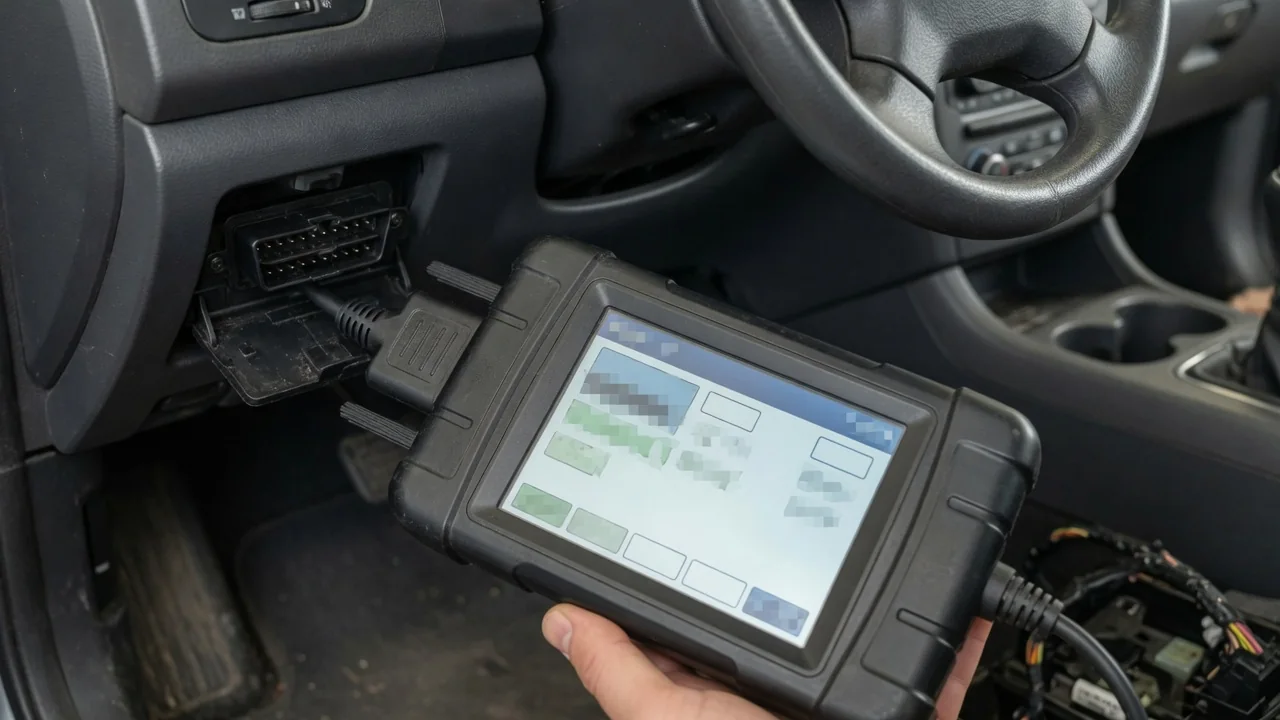
A P1756 code can be confusing because it does not have one universal meaning. This manufacturer-specific trouble code falls in the P1xxx range, so the definition changes depending on your exact make, model, year, and even engine or transmission combination. If your check engine light or transmission warning light is on, the OBD-II scan tool may show P1756, but the next step is understanding what it means for your vehicle before any repair is attempted.
What P1756 Means and Why the Definition Depends on Your Vehicle
On many vehicles, codes in the P17xx range relate to transmission functions, often involving shift solenoids, pressure control, or gear ratio monitoring. However, that is a general pattern, not a rule. For example, some manufacturers may use P1756 for a specific solenoid performance issue, while others might define it as a clutch pressure problem or an internal speed sensor mismatch. The only reliable way to know is to check the exact definition for your vehicle.
Generic code lookup sites often list a definition that belongs to a different manufacturer, and acting on that wrong definition can lead to replacing parts unnecessarily. Instead, use the enhanced diagnostic codes built into a professional scan tool, consult the factory service information, or contact a dealer. Confirming the meaning first protects you from chasing a fault that your car does not actually have, and it gives any later diagnosis a solid starting point.
Symptoms Drivers May Notice With a Stored P1756 Code
Depending on what the code monitors, you might notice a lit check engine light or transmission warning light, harsh or delayed shifts, or the vehicle entering a reduced-power or limp mode. Some drivers report that the transmission feels like it is slipping, while others experience a sudden loss of acceleration. These symptoms often vary with temperature or driving conditions, such as appearing only after a cold start or during a specific gear change.
On other vehicles, there may be no noticeable drivability change at all, and the code is discovered only during a routine scan. If you do feel something unusual, pay attention to when it happens: cold engine, warm engine, certain gears, highway speeds, or heavy loads. That pattern helps a technician narrow down the fault because different root causes can feel very similar from the driver's seat. Symptoms alone cannot confirm the cause, but they are valuable clues.
Possible Causes to Consider Once the Definition Is Confirmed
Once you have confirmed the manufacturer-specific definition, possible causes generally fall into a few categories. Electrical circuit issues are common, including damaged wiring, corroded or loose connectors, or a short to ground or power. A faulty sensor or solenoid, such as a shift solenoid or pressure sensor, can also set the code. Fluid-related conditions like low fluid level, degraded fluid, or a clogged filter may cause the same monitoring system to react.
Control module problems are another category, though they are less frequent than wiring or component faults. Low system voltage or a weak battery can sometimes trigger or confuse stored codes because modules need stable voltage to operate correctly. Before assuming any specific part has failed, check the charging system health and make sure the battery is not weak. No cause should be assumed until the manufacturer definition is clear and basic tests have been done.
Safe Checks You Can Do Before Visiting a Shop
Before visiting a shop, you can safely read all stored and pending codes with an OBD-II scan tool and record the freeze frame data. That data shows the operating conditions when the code was set, such as engine temperature, vehicle speed, and gear position, and it can be lost if you clear the code too soon. Write down or photograph the freeze frame so you can share it with a technician.
You can also perform simple visual observations in easy-to-reach areas, such as looking for obviously damaged wiring or unplugged connectors near the transmission. Check for fluid leaks under the vehicle while it is parked on level ground. Fluid level and condition checks should follow the owner's manual procedure because methods differ by vehicle, and some modern transmissions have no user-accessible dipstick. Do not clear the code just to turn off the light; that removes data a technician needs and the fault may return.
Limits of DIY Diagnosis and When Professional Testing Is Needed
Confirming a circuit, sensor, or solenoid fault usually requires manufacturer test procedures, wiring diagrams, and proper tools like a multimeter or bidirectional scan tool. Many transmission-related tests involve accessing connectors that are hard to reach or require special breakout boxes. Professional testing is strongly advised if the vehicle goes into limp mode, shifts erratically, slips, or shows other warning lights along with P1756.
Transmission and module work can involve hot fluids, electrical systems, and even programming or software updates. That kind of work should be done by a qualified technician with the right equipment. Before assuming a mechanical fault, check whether any technical service bulletins or software updates apply to your vehicle. These can be found through a dealer or a service information source, and they sometimes resolve a P1756 without replacing any hard parts.
Is It Safe to Drive With a P1756 Code?
Whether it is safe to drive with a P1756 code depends entirely on the confirmed definition and how your vehicle is behaving. If the transmission shifts normally and there are no other symptoms, you may be able to drive cautiously for a short time, but the code still means a fault has been recorded. If shifting is harsh, the vehicle slips, loses power, or enters a failsafe mode, limit driving and get a prompt inspection.
Continuing to drive with an unresolved transmission-related fault can risk further wear and potentially turn a simple repair into a larger one. While we cannot specify exact damage outcomes, avoiding highway speeds and heavy loads such as towing is wise if drivability is affected. The safest approach is to have the code properly diagnosed as soon as possible, especially if you notice any change in how the transmission feels or responds.
How P1756 Repairs Are Typically Confirmed and Verified
A proper fix for P1756 targets the verified root cause rather than replacing parts based on the code number alone. Because the same code can have different meanings across manufacturers, a technician will use the confirmed definition, test the suspected circuit or component, and only then recommend a repair. After the repair, the technician clears the codes and performs a test drive under the conditions that first set the code to make sure it does not return.
Some transmission monitors need several drive cycles before they confirm that the repair is complete, so the code may stay pending for a while. Keeping records of the original codes, freeze frame data, and any repairs can help diagnose a recurring issue faster. If the code comes back after a repair, that record gives the next technician a head start instead of starting from scratch.