P1751 Code: Meaning, Symptoms, Causes and Safe Next Steps
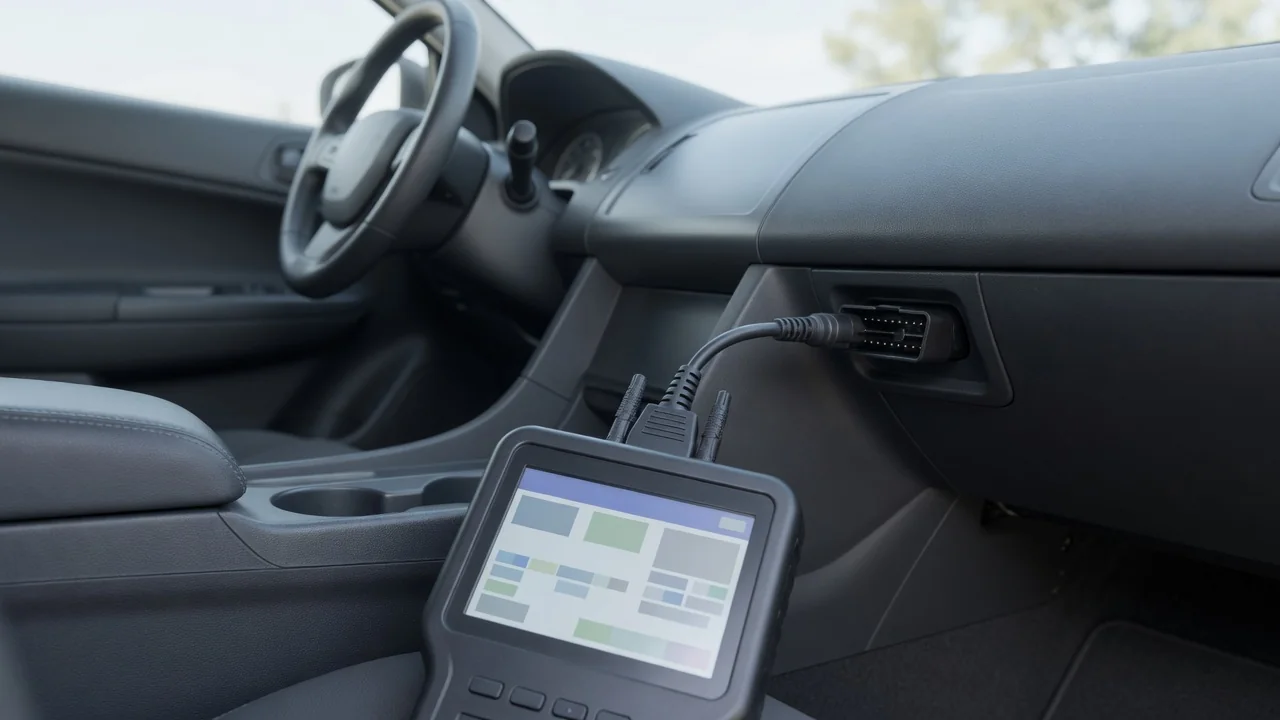
A P1751 code on your dashboard means the vehicle’s computer has detected a problem, but the exact issue is far from universal. Because P1xxx codes are manufacturer-specific, P1751 refers to different monitored circuits or control logic depending on the make, model, year, and even transmission. Before replacing any part, confirm the precise definition for your vehicle using a scan tool with enhanced manufacturer definitions or official service information. Then interpret symptoms and test results against that specific definition, not against guesses from another brand.
What P1751 Means and Why the Definition Depends on the Vehicle
Unlike standardized OBD-II codes such as P0300, P1xxx codes are reserved for manufacturer-specific diagnostics. P1751 does not have one meaning shared by all vehicles; it can indicate a transmission control fault, a shift solenoid circuit issue, or an entirely different subsystem depending on the automaker. This is why a generic OBD-II scan tool may show only “manufacturer controlled transmission” or a vague description, or fail to show a definition at all. The stored code is a starting point, not a diagnosis, and interpreting it without the correct vehicle-specific context can lead to wrong repairs.
To confirm what P1751 means for your car, retrieve the code with a professional-grade scan tool that includes enhanced manufacturer definitions, or consult the factory service information for your exact make, model, year, engine, and transmission. Even within one brand, the same code may point to different circuits on different platforms or model years. Writing down the full description from a capable tool allows you and your technician to discuss the monitored condition accurately. Treat any online forum definition as a hypothesis until it matches your vehicle’s documentation.
Symptoms Drivers May Notice When P1751 Is Stored
If P1751 relates to transmission control in your vehicle, you may notice drivability changes. The transmission could shift harshly, delay engagement, hesitate between gears, or hold a gear too long. Some cars enter a reduced-power or limp mode, limiting speed or disabling certain gears. However, these symptoms are possibilities, not certainties. The same code on a different vehicle may produce none of these behaviors. Driving characteristics depend on the exact monitored circuit and the fail-safe strategy programmed by the manufacturer, so avoid assuming that another owner’s experience applies to your car.
In many cases, the only sign is an illuminated check engine light or transmission warning lamp, while the vehicle drives normally. Because symptoms vary widely, observe and note when any abnormal behavior occurs: at cold start, after warm-up, under heavy throttle, in a specific gear, or only when the engine is at operating temperature. This information helps a technician reproduce the fault and choose the right diagnostic path. A stored freeze frame can also capture the operating conditions at the moment the code was set, but your own observations add valuable context.
Possible Causes Behind a P1751 Code
Once the vehicle-specific definition of P1751 is confirmed, possible causes generally fall into a few electrical and mechanical categories. A wiring harness connector may be loose, corroded, or damaged, creating high resistance or an open circuit. A shift solenoid or actuator may not respond correctly, or its power supply and ground may be compromised. Transmission fluid condition and level can affect hydraulic control and solenoid operation. Sensor inputs such as transmission speed or fluid temperature can drift out of specification, and in some cases the transmission control module itself may have an internal fault or need a software update.
Remember that the code identifies a monitored condition or circuit that has fallen outside expected parameters, not necessarily a failed part. Low battery voltage or a weak charging system can produce confusing control-module codes because solenoids and sensors depend on stable reference voltages. Before condemning a solenoid or control module, the entire circuit—including power, ground, and signal wiring—must be tested. Avoid assuming a single cause; multiple contributing factors can set the same code, and the most expensive component is not automatically the culprit.
Safe Checks You Can Do Before Visiting a Shop
Before visiting a shop, you can safely gather information that will speed diagnosis. Use an OBD-II scan tool to read and record all stored and pending codes, along with freeze frame data showing engine temperature, vehicle speed, transmission temperature if available, and other parameters present when the fault occurred. Do not clear the code before documenting this data; clearing erases the freeze frame and makes the technician’s job harder. If your scan tool offers live data, you can also note whether the reported transmission fluid temperature seems plausible for the operating conditions.
Perform only visual checks that do not require disassembly. Look for obvious damaged or disconnected wiring around the transmission and its harness connectors, as well as fluid leaks on the ground or on the transmission case. Check the battery terminals for corrosion or looseness, since unstable voltage can set transmission codes. Consult the owner’s manual to see whether your transmission has a user-checkable dipstick and the correct procedure; many modern transmissions are sealed and must be checked by a professional. Avoid repeatedly clearing the code to see if it returns—a code that disappears temporarily is not proof of a fix.
How a Technician Diagnoses P1751
A professional technician begins with the manufacturer’s diagnostic procedure for the confirmed P1751 definition, not with a parts replacement. Using a factory-level scan tool, they review live data from the transmission control module, looking for values that move outside expected ranges during operation. They may perform circuit and resistance tests on the suspect solenoid or sensor, checking the wiring and connectors between the control module and the component. Technical service bulletins are also checked, because some codes have known fixes through software updates or connector repairs rather than part replacement.
Intermittent faults are often the most challenging. A road test with a data logger connected can capture the moment the code or symptom appears, recording multiple parameters at high speed. This helps distinguish an electrical connection issue from a failing solenoid or a control module logic fault. DIY inference from a code number alone has clear limits; without wiring diagrams, breakout boxes, an oscilloscope, or manufacturer-specific test plans, misdiagnosis is likely. When the diagnostic procedure calls for specialized transmission tools or internal inspection, the vehicle should go to a transmission specialist.
Is It Safe to Drive With P1751 and How Urgent Is It
Whether it is safe to drive with P1751 depends on the confirmed meaning and the vehicle’s current behavior. If the car shifts normally and the code was set only once without drivability issues, you may be able to drive carefully to a shop. However, any slipping, erratic shifting, limp mode, or loss of power means the risk of being stranded or causing further damage increases. In heavy traffic or on highways, an unexpected downshift or stuck gear can create a dangerous situation. Treat unusual transmission behavior as a signal to limit driving and seek professional help promptly.
Continuing to drive with a transmission-related fault can risk further damage to internal components if the code reflects low fluid pressure, a slipping clutch, or an overheating condition. The exact outcome depends on the fault and the vehicle, so do not assume a small drive is harmless. If the vehicle will not engage gears reliably, or if it refuses to move in certain ranges, towing is the safer option rather than attempting to drive to a shop. When in doubt, have the vehicle inspected where it is or towed to a facility equipped for transmission diagnosis.
Repair Paths and Preventing a Repeat P1751
The correct repair path starts with the verified cause. A loose or corroded connector may need cleaning and securing; a damaged wire may be repaired; a failed shift solenoid or sensor may be replaced; and some issues are resolved with a transmission control module software update. There is no single repair price or procedure that applies to all P1751 codes. Replacing parts based only on the code number often wastes money because the root cause may be in the wiring, fluid, or control logic. A professional diagnosis that follows the manufacturer’s test plan is the most cost-effective route.
To prevent a repeat P1751, follow the maintenance schedule in your owner’s manual rather than generic intervals found online. Transmission fluid and filter service intervals vary by vehicle and driving conditions; using the specified fluid is critical for solenoid and valve body operation. After any repair, the system should be re-scanned to confirm that all codes are gone and that readiness monitors run properly, followed by a road test that reproduces the original operating conditions. Only when the code no longer returns under those conditions can the repair be considered complete.