P1749 Code: Meaning, Causes and Safe Diagnostic Steps
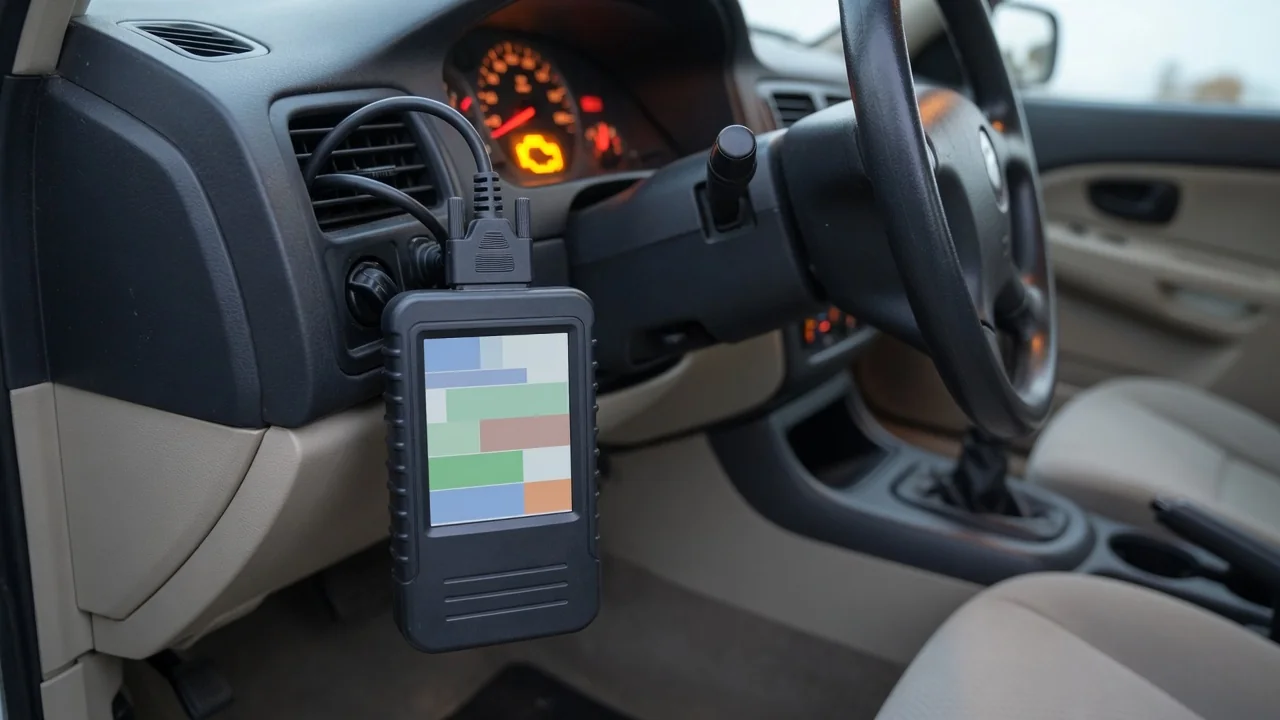
A P1749 diagnostic trouble code can leave a driver wondering what failed and whether it is safe to continue. Because this code falls in the manufacturer-specific P1xxx range, its meaning changes from one vehicle to another. Reading the code with an OBD-II scanner is only a starting point; interpreting it correctly requires the exact make, model, year, and powertrain. This article explains how to approach the code, what symptoms may appear, possible causes, safe checks, and when professional help is needed.
What the P1749 Code Means and Why It Varies by Manufacturer
P1749 is not a universal fault definition like many generic powertrain codes. It belongs to the manufacturer-specific range, so automakers can assign different meanings to the same number. On one vehicle, it may point to a transmission control issue; on another, it may involve a shift solenoid circuit or a different subsystem entirely. Using a generic code list can mislead diagnosis because the code's meaning is defined by the manufacturer for a particular model and powertrain combination.
Before interpreting P1749, check the service information for the exact vehicle. Record the full code, its status, freeze frame data, and any other stored codes with a scan tool. Freeze frame data captures operating conditions when the fault occurred, which can help a technician reproduce the problem. Never assume the code has the same meaning across makes. Instead, use the confirmed definition as the basis for all further testing.
Symptoms Drivers May Notice With a P1749 Code
Depending on what P1749 means for a specific vehicle, a driver may notice different symptoms. Some vehicles show a check engine light or a transmission warning indicator. Others may exhibit harsh or delayed shifts, slipping, or reduced power. In certain cases, the transmission may enter a limp mode that limits speed or gear selection. These behaviors are clues, but they do not identify the root cause without testing.
Some vehicles with a stored P1749 code show no noticeable symptoms at all. The code may be discovered during an emissions inspection or routine scan. Drivers should note when any symptom appears, such as during a cold start, after reaching operating temperature, at a certain speed, or in a particular gear. This information helps a technician reproduce the fault. Symptoms alone cannot confirm which part or circuit is responsible.
Possible Causes Depending on the Vehicle's Definition
The possible causes of P1749 can be grouped into several categories. Electrical circuit faults include open or shorted wiring, damaged connectors, or poor grounds. Sensor or solenoid problems may involve a shift solenoid, pressure sensor, or speed sensor, depending on the vehicle's definition. Fluid condition issues, such as low level, contamination, or degraded properties, can also set transmission codes. Control module or software concerns, including calibration errors or communication faults, are another possibility.
Which of these groups applies depends on the confirmed definition of P1749 for the specific vehicle. Related stored codes can narrow the list of likely causes. For example, a companion code for a solenoid circuit may suggest checking that circuit before condemning a mechanical part. Avoid ranking causes by frequency or naming a specific failed part without vehicle-specific confirmation. The code is evidence that a condition was detected, not proof that a particular component has failed.
Safe Checks You Can Do Before Visiting a Shop
Before visiting a shop, a few safe checks can be done. Use an OBD-II scanner to read and save all codes and freeze frame data. Do not clear the code until you have recorded this information, because clearing erases valuable diagnostic clues. A technician may need the freeze frame data to understand when the fault occurred.
With the engine off and the key removed, perform a careful visual inspection. Look for obvious damage to the wiring harness, loose or corroded connectors, and fluid leaks near the transmission. Check the transmission fluid level and condition only if the owner's manual describes a simple procedure for it; many modern transmissions have no dipstick and require special tools. Do not clear the code hoping it will stay off, because the underlying cause remains.
When Professional Testing Is Needed
Professional testing is often needed because pinpoint tests require service data and equipment. A technician may check circuit resistance, voltage levels, solenoid activation, or module communication. These tests must follow the manufacturer's diagnostic procedure for the specific vehicle. Without the correct service information, tests can damage components or lead to incorrect conclusions.
If you are unsure about any test or repair, leave transmission, electrical, or module work to a qualified technician. Ask the shop to confirm the code definition for your exact vehicle and explain the test results before replacing parts. It is reasonable to ask a dealer whether any software updates or service bulletins may apply. However, do not assume that a bulletin or update exists for your vehicle; the shop must verify using your VIN.
Is It Safe to Keep Driving With P1749?
Whether it is safe to keep driving with P1749 depends on the confirmed definition and how the vehicle is behaving. If the car drives normally and the code is not transmission-related, short-term driving may be possible. However, if the vehicle enters limp mode, shifts erratically, loses power, or shows a flashing warning light, stop in a safe place and get help. Continuing to drive under those conditions can create a traffic hazard and may cause further damage.
Ignoring a transmission-related or control-related fault can lead to more damage over time. A minor electrical issue might eventually affect solenoids or clutch operation, increasing repair cost. Do not rely on the code turning off by itself; if the fault clears temporarily, it may return when conditions match again. Get a diagnosis soon to identify the cause and prevent a small problem from becoming a major repair.