P1747 Code: Verify Its Meaning, Causes, and Repair Options
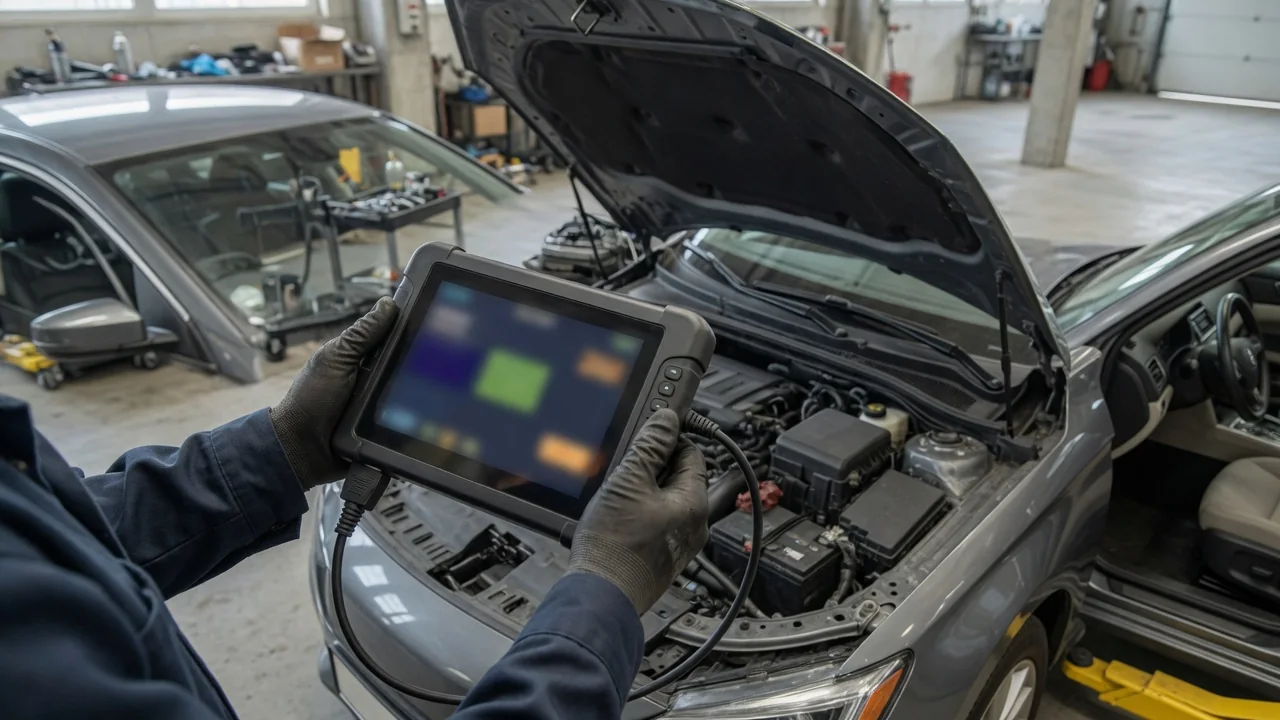
P1747 is a manufacturer-specific trouble code, so the same numeric label can describe different monitored conditions depending on the vehicle. A generic scan-tool line for a P1747 code is a starting point, not a confirmed diagnosis. Before interpreting causes or repair options, identify the year, make, model, powertrain, and the reporting control module, then match the stored result to vehicle-specific service information rather than a one-size-fits-all definition.
Verify What P1747 Means for the Exact Vehicle
P1747 cannot be assigned one universal meaning across brands. Some powertrain control modules and transmission control modules use this identifier for a circuit, solenoid, pressure, or communication concern that is unique to that calibration. Confirm the vehicle identification number, model year, engine or transmission family, and which module actually stored the result. Without those details, a printed description may belong to a different application and send diagnosis down the wrong path.
Vehicle-specific service information is what establishes the official definition, enabling conditions, and diagnostic path for a P1747 code. Factory procedures list the exact circuit or system the module is watching and the tests that follow. A generic scan-tool description alone may be incomplete, translated poorly, or written for another manufacturer. Avoid treating unverified brand-by-brand definitions as fact. Once the correct service article is in hand, the code becomes a structured test request rather than a parts list.
Record Symptoms Without Assuming a Failed Part
A warning lamp or stored P1747 result can appear even when the vehicle still drives normally. The module may have seen a brief out-of-range signal, an intermittent connection, or a condition that no longer exists at idle in the driveway. Treat the light and the stored data as evidence that something was monitored, not as proof that a solenoid, sensor, or control unit has already failed. Driving feel and the code are separate observations that should be recorded together.
If the verified definition involves transmission control, possible driving complaints can include irregular shifts, delayed engagement into drive or reverse, or a restricted operating mode intended to protect the gearbox. Those behaviors are not universal P1747 symptoms; they only become relevant after the vehicle-specific meaning is confirmed. Note whether issues appear when the vehicle is cold, fully warmed, climbing a grade, or under heavy load. Even a clear pattern of symptoms plus the code still cannot identify a failed component by itself.
Consider Causes Only After Confirming the Definition
Potential causes belong to the confirmed definition and the conditions under which the module sets P1747. If the applicable procedure describes an electrical circuit fault, diagnosis may later include damaged wiring, corroded or loose connectors, missing power or ground, or a controlled device that is not responding as commanded. Those items enter the process because the service information points there, not because the numeric code is assumed to name a single failed part on every vehicle.
Hydraulic or mechanical transmission problems belong in the conversation only when the applicable diagnostic procedure actually supports them for that vehicle. A description that names a solenoid, valve body, or pressure circuit still does not establish that the named hardware needs replacement. The reporting module reports a monitored condition. Wiring and connector inspection, power integrity, and commanded versus actual response must be evaluated first when the procedure calls for them. Replacing a part because its name appears in the code text skips the evidence the factory test sequence is designed to collect.
Preserve Diagnostic Evidence and Make Safe Observations
Before clearing anything, save the exact P1747 code text, the reporting module, pending or stored status, companion codes, and any freeze-frame data the scanner captured. Freeze-frame snapshots can show engine speed, load, temperature, and gear or vehicle speed at the moment the fault was recorded, which helps recreate the condition later. Companion codes may point to related circuits or communication issues and often determine testing order. Clearing codes or disconnecting the battery can erase that evidence without correcting the underlying fault, leaving the next scan session with less to work from.
Safe observations from outside the vehicle still add useful context. Note visible fluid spots beneath a parked car, dashboard messages, and any recent battery service, jump-start, or transmission-related repair, without crawling underneath or touching hot or moving parts. Basic scanners may read a generic P1747 line yet lack manufacturer-specific module access, bidirectional tests, or enhanced data the diagnostic testing path requires. If the tool cannot talk to the transmission control module or display the factory description, treat the result as incomplete and plan a more capable scan before drawing conclusions.
Understand Professional Testing and Evidence-Based Repairs
A technician starts with the confirmed procedure for that vehicle and uses companion codes to set a logical testing order rather than replacing parts in sequence. Professional diagnostic testing typically includes reviewing module data, comparing commanded states with reported values, and checking relevant circuits, connectors, power supplies, and grounds as the service steps specify. Those checks stay within the published path; they are not a license to probe randomly. The goal is to show whether the fault is in the wiring path, a controlled device, or the way the module is interpreting the signal.
Repairs may involve repairing wiring, restoring a connection, or replacing a component only after tests support that conclusion. Module replacement is a last-step decision that still requires supporting results showing the unit itself is at fault, not merely that it stored P1747. After work is completed, verification follows the applicable procedure: rescan for the original and related codes, confirm freeze-frame conditions can be met without the fault returning, and confirm that the original driving symptoms, if any, are resolved. A quiet lamp without a road check is incomplete verification.
Decide Whether to Stop Driving and What to Tell the Shop
A P1747 code by itself cannot determine whether continued driving is safe. Safety depends on how the vehicle behaves and on any additional warnings. Pull over when it is safe and arrange professional assistance if there is loss of propulsion, severe unexpected shifting, smoke, burning odor, or an overheating warning. Those conditions are reasons to stop regardless of which numeric code is stored. For a stored result without obvious symptoms, plan prompt assessment rather than ignoring the lamp, and check the owner's manual for guidance tied to that specific warning display.
When you take the vehicle in, hand the shop a concise package: year, make, model, and vehicle identification number; complete scan results including the P1747 code, reporting module, status, companion codes, and freeze-frame data; when symptoms occur; and any recent battery, electrical, or transmission work. Ask for a test-supported explanation of the repair rather than a parts quote based on the code name alone. That record shortens diagnosis, reduces guesswork, and keeps the conversation tied to the verified definition and the measurements that actually justify the work.