P1743 Code: Meaning, Symptoms, Possible Causes and Diagnosis
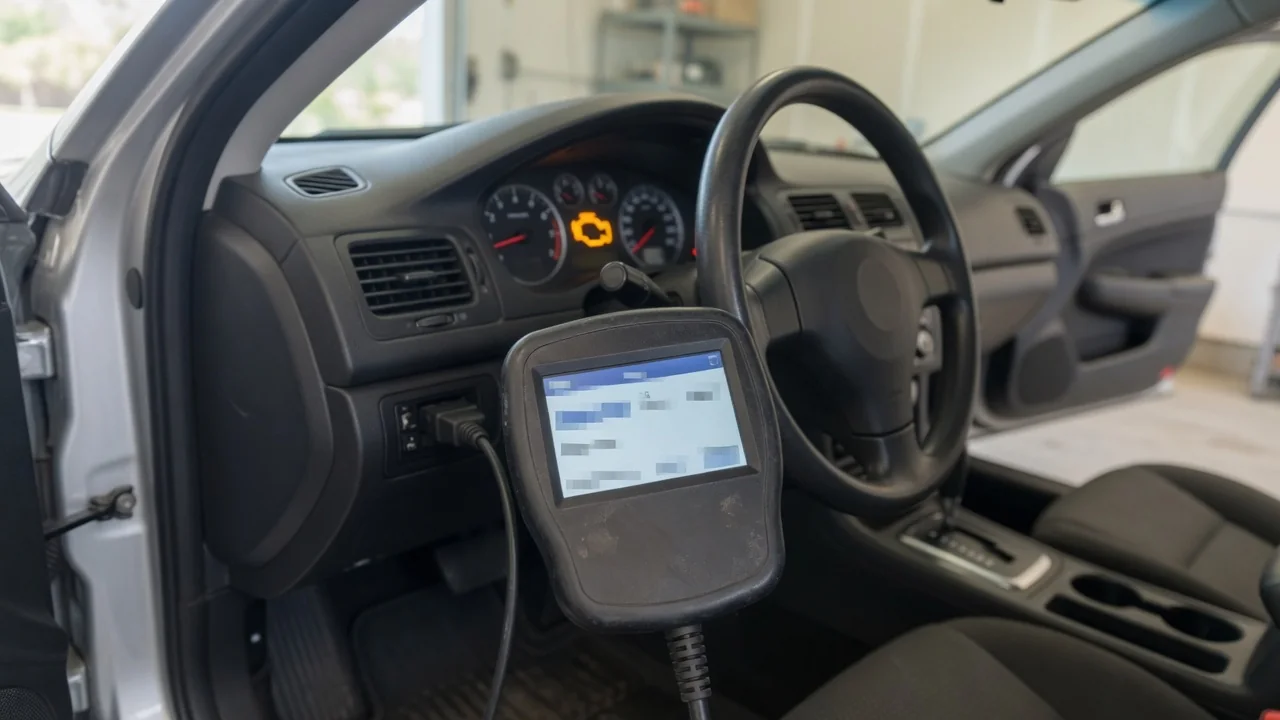
A P1743 code is a manufacturer-specific trouble code, which means its exact meaning can vary depending on the vehicle. Some drivers see only a check engine light, while others may notice transmission issues like shuddering or shift problems. Because the code often relates to the torque converter clutch or a transmission solenoid on certain makes, you need the correct definition for your car before guessing at repairs. Start by reading the code with an OBD-II scan tool, then confirm what it means for your specific model.
What P1743 Means and Why the Definition Depends on Your Vehicle
P1743 falls in the P1xxx range, which is reserved for manufacturer-specific diagnostic trouble codes. Unlike generic P0xxx codes, a P1xxx code can have different definitions from one automaker to another. For example, on some vehicles it may point to the torque converter clutch circuit, while on others it could relate to a different solenoid or sensor. Guessing based on a universal list is risky, so the first step is to identify the exact code definition for your make, model, year, and powertrain in factory service information.
A generic code reader might give a vague description or even display something like 'manufacturer control' without a clear explanation. This happens because the tool does not have access to the vehicle maker's enhanced data. A professional scan tool with manufacturer-level coverage can show the precise definition and even link to diagnostic flow charts. Checking the code with the right tool, or looking up the exact vehicle application in service information, prevents you from chasing the wrong system and wasting time on unnecessary parts.
Symptoms Drivers May Notice When P1743 Is Stored
When P1743 is stored, a check engine light or a transmission warning message may be the only noticeable symptom. Some vehicles may not show any driveability change at all, especially if the fault is intermittent. Others might have obvious transmission-related issues such as harsh or delayed shifting, a shudder at highway speeds, or higher engine RPM than normal during steady cruising. The exact symptoms depend on what the code means for your vehicle, so write down anything unusual you feel behind the wheel before consulting a technician.
Codes can be stored as current, pending, or history. A current code indicates a fault present at the moment of scanning, while a pending code means the condition occurred but the computer has not yet confirmed it over enough drive cycles. A history code is from a previous fault that may not be active now. If you notice symptoms alongside the code, note details such as vehicle speed, engine temperature, and whether the condition happens during acceleration, cruising, or stop-and-go traffic. These notes help a technician reproduce the issue and nail down the cause faster.
Possible Causes to Check Once the Meaning Is Confirmed
Because P1743 is manufacturer-specific, possible causes should be based on the confirmed definition, not the code number alone. If the code relates to a transmission solenoid or clutch circuit, typical cause categories include damaged wiring or connectors, a faulty solenoid or sensor, low or contaminated transmission fluid, or even a control module software glitch. Each of these requires a different repair, so testing is essential before replacing anything. A visual check of the wiring harness and connectors can reveal obvious issues like chafing, corrosion, or loose pins.
Internal mechanical wear inside the transmission or torque converter can also set a code similar to P1743. For instance, a slipping torque converter clutch might trigger a circuit-related code even though the wiring and solenoid are fine. In that case, a fluid analysis or pressure test may be needed. Avoid swapping parts based on forum lists or generic guesses. Without proper diagnosis, you could replace a perfectly good solenoid and still have the same problem if the real issue is a worn clutch or a shorted wire.
Safe Checks an Owner Can Do Before Visiting a Shop
Before taking your vehicle to a shop, you can perform some safe checks at home to gather information. First, use your OBD-II scan tool to read and save the full code list, freeze frame data, and code status. Freeze frame data shows the engine and vehicle conditions at the moment the code was set, such as speed, temperature, and load. Do not clear the codes yet, because this information can be lost and make diagnosis harder. A clear code only erases evidence; it does not fix anything.
With the engine off and cool, you can visually inspect the wiring harness and connectors around the transmission. Look for obvious damage like frayed insulation, melted spots, or loose connectors that are easy to reach. Check under the vehicle for signs of fluid leaks while parked on level ground. Transmission fluid checking procedures vary widely; some vehicles have no dipstick and require a specific temperature and process. If you are unsure, leave fluid checks to a professional. Never attempt to work under a vehicle supported only by a jack.
How Professional Diagnosis of P1743 Typically Works
A professional diagnosis starts with looking up the exact P1743 definition in factory service information for your specific vehicle. This reference provides a step-by-step test procedure, including which pins to check and what expected values should be. The technician will then connect a scan tool to monitor live data, such as solenoid command states, clutch slip speed, and transmission fluid temperature. Watching how these values change during operation can reveal whether the fault is electrical, hydraulic, or mechanical.
Depending on the code definition, the technician may perform circuit and resistance checks on the solenoid or sensor wiring. Commanded solenoid tests can activate a component while monitoring its response. A road test under controlled conditions may be needed to reproduce the fault. Technicians also check for software updates or technical service bulletins that apply to the specific vehicle, though none may exist. If internal transmission or torque converter problems are suspected, a specialist evaluation with pressure gauges or a borescope may be necessary to confirm the issue before recommending a major repair.
Is It Safe to Keep Driving With a P1743 Code?
Whether it is safe to keep driving with a P1743 code depends entirely on the exact definition and the symptoms you are experiencing. Some vehicles may drive normally for a long time with the code, especially if it is history or pending without active issues. However, if you notice harsh engagement, slipping, burning smells, overheating warnings, or a loss of drive, stop driving immediately and arrange a tow or inspection. Continuing to operate under those conditions can cause further internal damage.
If the vehicle enters a reduced-power or fail-safe mode, it is best to limit driving until a diagnosis is completed. This limp mode may prevent excessive speed or limit gear engagement to protect the transmission, but it is not meant for extended use. Driving long distances with an unresolved transmission-related fault can lead to more expensive repairs, such as complete clutch failure or converter damage. It is always safer to have the vehicle checked soon after the code appears rather than risk being stranded or causing additional harm.
Repair Options and How to Confirm the Fix
Once a technician has confirmed the cause, repair paths may include wiring or connector repair, replacement of a faulty solenoid or sensor, transmission fluid service, or a software update. The right fix depends on the test results, not the code description alone. For example, if a circuit test shows an open wire, repairing the harness is the solution. If a commanded test proves the solenoid is not responding and wiring is good, replacing the solenoid makes sense. Fluid that is burnt or low may require a fluid exchange and investigation into why the level dropped.
After any repair, the fix must be verified. The technician clears the codes, completes the appropriate drive cycle, and confirms that the code does not return. A drive cycle varies by manufacturer but generally involves starting the engine, reaching operating temperature, driving at certain speeds, and allowing the transmission to shift through several gears. If the code stays away and the symptoms do not reappear, the repair is likely successful. Keep all repair records and scan reports in case the code returns or warranty coverage applies to the part or labor. Documentation can also help if the vehicle is later sold or traded in.