P1740 Code: Vehicle-Specific Meaning, Diagnosis and Repairs
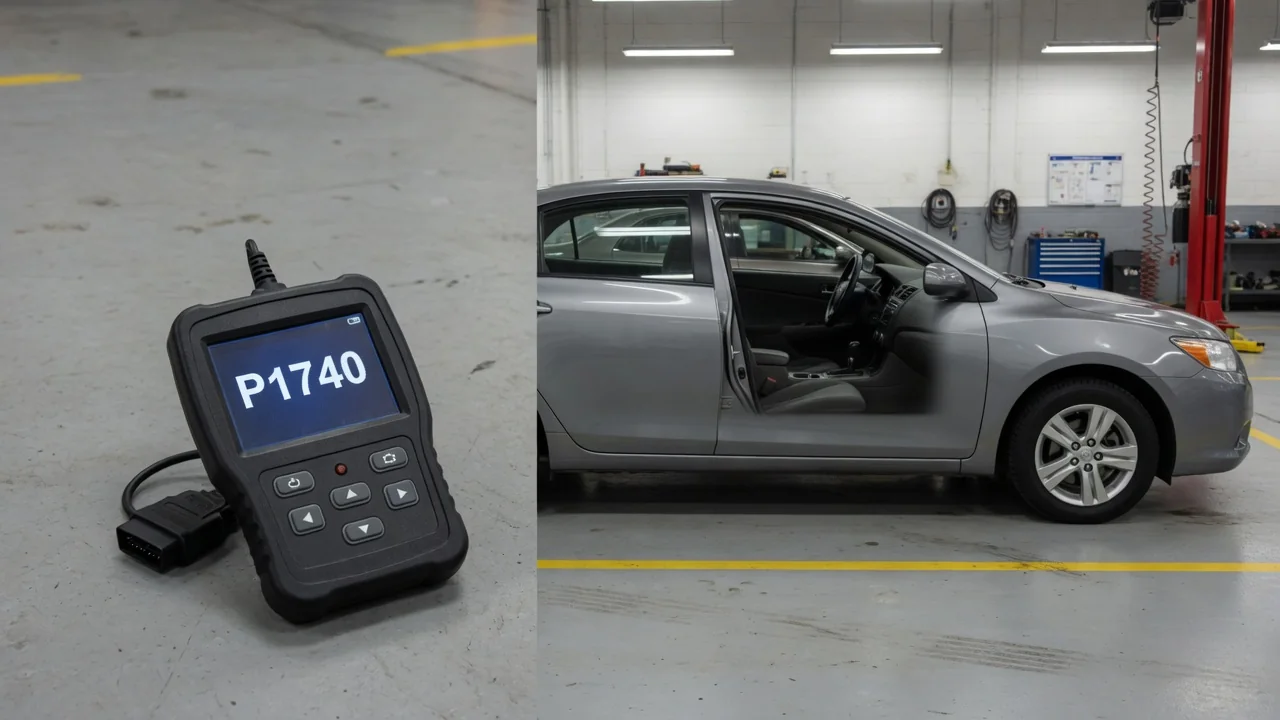
P1740 is a manufacturer-specific trouble code, so the same stored number can describe different conditions depending on the vehicle. Before treating a P1740 code as a transmission or torque converter clutch problem, confirm the make, model, year, powertrain, and the module that reported it. The code records a detected condition; it does not, by itself, prove that a part has failed or that a particular repair is required.
Verify What P1740 Means for the Vehicle
A P1740 code is not a universal definition that technicians can interpret from the number alone. Different manufacturers assign that identifier to different monitored conditions, and even related platforms can change the description by model year or powertrain. Service information for the exact vehicle is required before any diagnosis proceeds, including which control module stored the fault and how that module describes the event. Applying a definition from another brand, or from a generic summary, can send testing in the wrong direction.
Once the vehicle-specific definition is confirmed, some applications may relate P1740 to transmission control or torque converter clutch operation, while others may not. That verified wording still describes a condition the module detected, not a failed solenoid, clutch, or assembly. Diagnostic testing should start from the applicable procedure rather than from an assumed part. The reporting module, freeze-frame data, and any related codes belong with that definition so later steps stay aligned with what this vehicle actually stored.
Symptoms to Record When P1740 Appears
When a P1740 code is present, drivers may notice a warning lamp, delayed or harsh shifting, a shudder during lockup, or engine speed that does not match expected load. Those observations are useful only after the definition for that vehicle is known, because the same number can point to different systems. Some vehicles store the code with no obvious drivability change. Absence of a complaint does not mean the condition is harmless; it still warrants planned diagnosis rather than guesswork.
Record when anything unusual happens, including engine and transmission temperature if displayed, vehicle speed, load such as hills or towing, and whether the event followed recent service. Note whether the warning appeared at idle, during acceleration, or after a long drive. Do not try to recreate a fault on the road to collect more data. A written timeline, even a brief one, helps a technician compare symptoms with freeze-frame data and decide which tests actually apply to this occurrence.
Possible Causes After the Definition Is Confirmed
After the P1740 meaning is confirmed, possible causes should follow that description and the published diagnostic path, not a generic list of failed parts. In transmission applications where the definition involves clutch control or a solenoid circuit, investigation may include wiring and connectors, control-module outputs, fluid condition or level when the owner’s procedure allows checking, hydraulic response, and internal wear. None of those items is universally typical for every vehicle that stores P1740. The verified procedure decides which branch to test first.
Accompanying codes and recent work often change the order of testing. A related transmission control module fault, a fluid service, a harness repair, or a battery event can point toward a circuit or contamination issue rather than an internal mechanical failure. P1740 does not automatically require a solenoid, torque converter clutch, or complete transmission replacement. Those repairs become appropriate only if targeted tests confirm that the component or assembly is actually at fault. Replacing parts to cover the code skips the evidence the procedure is designed to collect.
Safe Checks Before a Service Appointment
Before any clearing or repair, save the exact P1740 code, the module that reported it, freeze-frame data, and any other stored or pending codes. That snapshot is often the only record of operating conditions when the fault set. From outside a parked vehicle, look for fluid spots on the pavement, dashboard messages, and unusual odors. Do not work beneath an unsupported vehicle, probe energized circuits, open a hot cooling or hydraulic system, or drive specifically to make the symptom return.
Fluid inspection should follow only the owner’s manual steps that are clearly intended for the owner. Some transmissions require a scan tool, a specified temperature window, or a special dipstick procedure that is not a driveway check. If the manual does not describe an owner-level inspection, leave fluid evaluation to a shop with the correct equipment. Visual leaks, a low-fluid warning, or burnt odor are still worth reporting, but they are observations, not a diagnosis of why P1740 stored.
How Testing Determines the Appropriate Repair
Professional diagnosis starts with the confirmed definition and the manufacturer’s diagnostic testing sequence for that vehicle. Scan data from the transmission control module, related engine data, and freeze-frame values show whether the condition occurred during lockup, a shift, or another monitored event. Targeted circuit tests, hydraulic checks, or mechanical inspection then isolate the cause. Electrical, hydraulic, or internal component testing should establish the fault before any part is authorized. Guessing at a solenoid circuit or converter based on the code number alone is not a completed diagnosis.
Repair options follow confirmed findings. A corroded connector, damaged wiring, or poor ground may restore control without replacing major parts. A verified fluid issue may require service that matches the application, not a generic flush. A component that fails its specified test can then be repaired or replaced with evidence behind the decision. Clearing P1740 is not a repair. After work, the technician should complete the verification steps in the procedure and watch for the code or related faults to return under similar conditions.
When to Stop Driving and What to Tell the Shop
A stored P1740 code by itself cannot tell a driver whether it is safe to continue using the vehicle. Stop as soon as it is safe and arrange assistance if propulsion is lost, slipping is severe, overheating warnings appear, fluid is leaking in substantial amounts, or smoke is present. Those conditions are safety and damage concerns regardless of how the code is defined. A warning light with no other symptoms still deserves prompt assessment, following the owner’s manual for reduced-power or transmission-warning guidance rather than waiting for a second event.
When you take the vehicle in, provide the year, make, model, engine and transmission details, the saved P1740 information including the reporting module and freeze-frame data, a description of symptoms and when they occurred, and any recent service or fluid work. Ask the shop to confirm the vehicle-specific definition first and to share the test findings that support any proposed repair. Request that parts not be replaced solely because the code appeared. That handoff keeps diagnosis tied to evidence instead of a default list of transmission components.