P1738 Code: Meaning by Manufacturer, Symptoms, Causes and Diagnosis
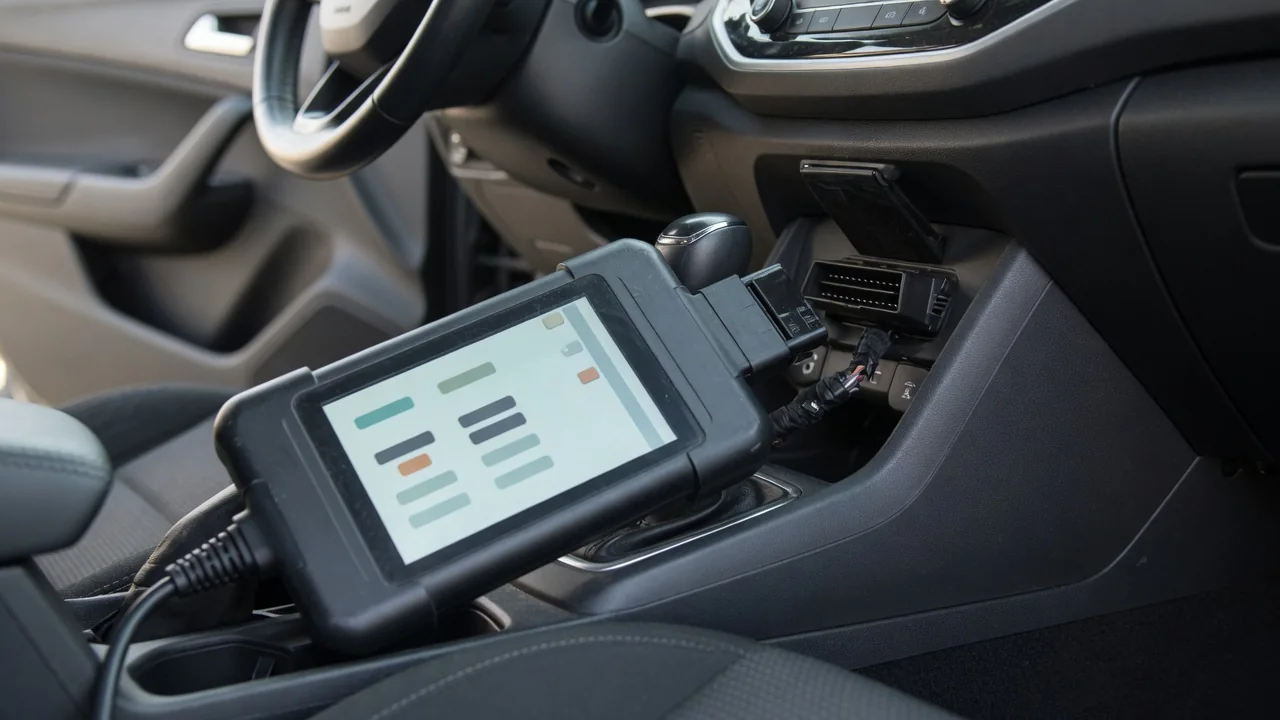
A P1738 code appears when a vehicle's control module detects a condition outside its expected range, but unlike generic OBD-II faults, this P1xxx code does not have one universal meaning. Depending on the make and model year, it can point to different transmission or powertrain issues. To diagnose it correctly, you need the manufacturer-specific definition, a look at freeze frame data, and an understanding of the symptoms your vehicle is showing. Jumping to conclusions from a generic online lookup often leads to replacing the wrong part.
What the P1738 Code Means and Why the Definition Varies by Make
P1738 belongs to the manufacturer-specific range of powertrain codes, meaning each automaker can assign it a different definition. A P1xxx code is not governed by a single generic OBD-II standard, so one brand may use it for a shift timing concern while another uses it for an unrelated transmission sensor circuit. This is why reading a definition for the wrong make can send a diagnosis in a completely useless direction. The code number itself provides no clue unless it is paired with the correct vehicle.
When this code is stored, the control module has observed a signal or operating condition that fell outside the range it expected. That might be a slow shift, an unexpected pressure reading, or an electrical value that did not match a commanded state. However, the code does not identify a failed solenoid, sensor, or wiring connector. It only tells the technician where to start looking. A stored P1738 is evidence that something is wrong, not proof of what has failed.
How to Confirm What P1738 Means on Your Specific Vehicle
Before you spend time or money on parts, confirm the exact definition for your make, model, year, engine, and transmission. The same P1738 code can mean different things on a Honda, a Hyundai, a Kia, or a Mitsubishi, and even different model years within one brand can change the meaning. Check the factory service information for your VIN, not a generic online forum. A dealer parts or service department can often provide the precise definition quickly.
A basic code reader may only show the number, but an enhanced scan tool or factory-level diagnostic software usually displays a text description and sometimes a list of possible causes. Record the freeze frame data, which captures engine load, vehicle speed, temperature, and other values at the moment the code set. Also note whether the code is current, pending, or history, and record any other codes stored. That information helps a technician see the whole picture instead of chasing a single fault in isolation.
Symptoms Drivers May Notice With a P1738 Code
Drivers may notice a check engine light, delayed or harsh shifting, erratic gear changes, or the transmission entering a reduced-power or limp mode. Some vehicles may refuse to shift out of a lower gear or feel like they slip between gears. These symptoms are possibilities, not certainties, because a P1738 code does not always produce a drivability problem. The same warning light can appear with only a subtle change in shift feel or no change at all.
Pay attention to when any symptom occurs. Does the transmission act up when cold or only after warming up? Does it happen under hard acceleration, at steady highway speed, or during a particular upshift or downshift? Write down the conditions, because several different faults can create the same feel from the driver's seat. A harsh 2-3 shift could come from a fluid issue, a solenoid problem, or a sensor, and only testing can separate them.
Possible Causes to Consider Once the Definition Is Confirmed
Once you have the factory definition, possible causes usually fall into a few broad categories. Transmission fluid level or condition can affect hydraulic pressure and shift timing. Wiring harness and connector damage can interrupt signals to solenoids or sensors. A failing shift solenoid, input or output speed sensor, pressure sensor, or internal mechanical wear can also set a transmission code. Control module software glitches or internal module faults are another possibility.
Do not assume that one cause is more likely than another without testing. The right category depends on the confirmed definition for your vehicle, the freeze frame data, and the results of circuit or pressure tests. Related codes stored at the same time can narrow the area. For example, a speed sensor code alongside P1738 might point toward a shared power or ground circuit, while a solenoid code may suggest a specific control circuit problem.
Safe Observations an Owner Can Make Before a Shop Visit
Before clearing any codes, write down the code number, freeze frame data, and any other stored codes. Clearing them early erases the conditions that caused the fault, making diagnosis harder later. If you have a scan tool, save or photograph the data. Do not disconnect the battery to clear the code, because that also resets learned transmission adaptations and can hide an intermittent problem for a long time.
With the engine off and cool, you can look under the parked vehicle for obvious transmission fluid leaks or damaged, loose, or corroded wiring you can see without removing parts. Check the owner's manual to see whether the transmission fluid level is user-checkable; many modern vehicles require a lift, a running engine, or special tools, so leave that to a professional if unsure. Do not try to replace solenoids, open the transmission, or reflash a module yourself. Your notes about symptoms and conditions will help the technician.
How a Professional Diagnoses and Repairs the Fault Behind P1738
A professional starts by verifying the factory definition for your vehicle and checking for technical service bulletins or software updates that address false codes or known transmission concerns. They review freeze frame data and related codes, then follow the manufacturer's test procedures rather than guessing. This often includes checking wiring and connectors, monitoring live transmission data during a road test, and inspecting fluid condition before recommending any repair.
Repairs can range from repairing a chafed wire or replacing a connector to updating control module software, replacing a sensor or shift solenoid, or performing internal transmission service. The right fix depends on test results and the confirmed definition, not on a parts-swapping approach. Ask the shop to explain the diagnostic findings and why a particular part is suspected. Replacing parts on guesswork alone often leaves the same code returning, because the root cause was never confirmed.
Is It Safe to Drive With a P1738 Code?
There is no blanket safe-to-drive answer for a P1738 code. If the transmission slips out of gear, refuses to shift, overheats, or loses power in traffic, stop in a safe place and arrange a tow. Driving in limp mode for a short distance to a shop may be acceptable for some faults, but not if the vehicle behaves dangerously. The verified definition and how the car drives matter more than the code number.
Continuing to drive with an unresolved transmission fault can make internal damage worse. Arrange a professional diagnosis promptly, even if you do not notice a drivability change. Before you go, record the code data, confirm the make-specific meaning from a reliable source, and write down your symptoms and the conditions when they occur. That information gives the technician a faster path to the real cause and the correct repair.