P1735 Code: Meaning, Symptoms, Likely Causes and How to Diagnose It
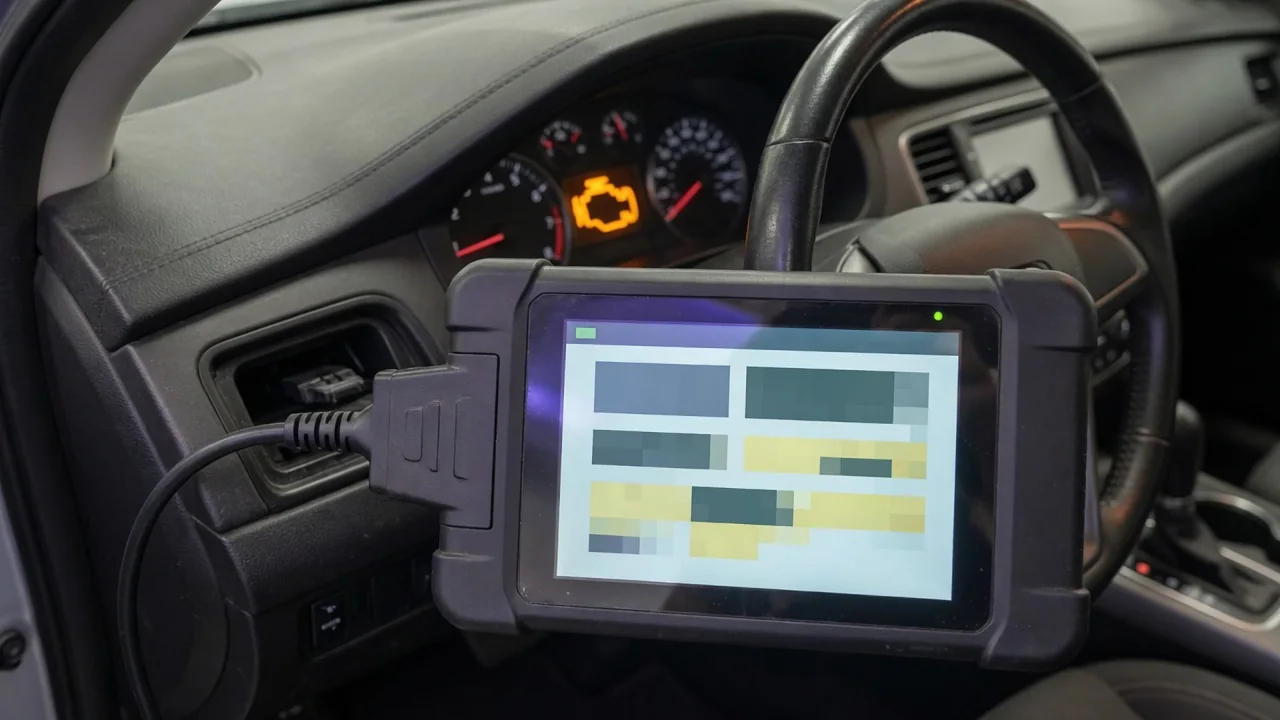
When a P1735 code appears on a scan tool, the first reaction is often confusion because the number alone lacks a universal definition. P1xxx codes are reserved for manufacturer-specific use, meaning the same code can point to different systems in different vehicles. Confirming the exact meaning for your make, model, year, and powertrain is essential before any repair. The stored freeze frame data, code status, and accompanying symptoms provide context that generic code readers may miss or misinterpret.
What P1735 Means and Why the Definition Depends on the Manufacturer
P1735 is a manufacturer-specific trouble code, so its definition is not standardized across automotive brands. While some manufacturers use this range for transmission or shift-control circuits, others may assign it to a different subsystem entirely. Relying on a generic OBD-II code reader can produce a vague or incorrect description that leads to unnecessary parts replacement. The only reliable way to interpret P1735 is through factory service information or a scan tool with enhanced manufacturer coverage for your exact vehicle.
The code status also matters: a pending code indicates a fault that occurred but has not yet met the criteria to turn on the check engine light, while a stored or active code shows a confirmed issue. Freeze frame data records operating conditions at the moment the code set, such as engine temperature, vehicle speed, and transmission gear. This information helps a technician reproduce the fault and distinguish between a one-time glitch and a repeating circuit problem.
Symptoms Drivers May Notice When P1735 Is Stored
Depending on the confirmed definition, drivers may notice a check engine light, a transmission warning light, or a combination of both. Shift quality can change with harsh engagements, delayed gear changes, or the transmission holding a gear too long. In some cases the vehicle enters a reduced-power or limp mode to protect the drivetrain, limiting acceleration and top speed. These symptoms often appear only under specific conditions, such as cold starts, warm operation, or particular road speeds and gear ranges.
However, some vehicles store P1735 with no noticeable driveability change, and the code is discovered only during a routine scan or emissions inspection. Because several different faults can produce similar behavior, symptoms alone cannot confirm the cause. Noting when the light came on, what the vehicle was doing, and whether the problem is consistent or intermittent gives a technician valuable clues. A quiet code is still a stored fault and should not be ignored simply because the car feels normal.
Common Categories of Causes Behind P1735
The root causes behind P1735 fall into broad categories once the vehicle-specific definition is known. Wiring harness or connector problems are common, including chafed insulation, corrosion, loose terminals, or a connector that has worked its way loose. The monitored circuit may include a shift solenoid, pressure sensor, speed sensor, or another electromechanical component that has failed or drifted out of specification. Fluid condition can matter when the code relates to hydraulic control, as contaminated or low transmission fluid affects solenoid and clutch operation.
Low battery voltage, poor grounds, or a weak alternator can trigger circuit-related codes because the module sees an implausible signal. Recent electrical work, such as a stereo installation or body repair, may have disturbed a harness or left a connector unseated. A failed transmission control module or powertrain control module is possible but is usually the last suspect after external wiring and components test good. The actual cause can only be narrowed down with the factory diagnostic procedure for that code.
Safe Checks You Can Do Before Visiting a Shop
Before visiting a shop, record every stored code, the freeze frame data, and the current odometer reading. Do not clear the code, as that erases the diagnostic snapshot and forces the fault to recur before a technician can see it. With the engine off and the key removed, visually inspect accessible wiring and connectors for obvious damage, such as melted insulation, rodent chewing, or a connector that is not fully seated. Avoid touching hot or moving parts and never reach near the radiator fan or accessory belts.
Check the transmission fluid level and condition only if the owner's manual describes a safe owner procedure, and only when the engine is at the specified temperature and the vehicle is level. Fluid that smells burnt, looks dark, or contains metal particles is a red flag, but the code itself may be unrelated to fluid. Note any related codes stored at the same time; a cluster of circuit codes can point to a shared power feed, ground, or module issue. If the vehicle is under warranty or a technical service bulletin exists, the shop will need all this information.
How a Technician Diagnoses P1735
A professional diagnostic begins with confirming the exact definition of P1735 for the specific make, model, year, and engine or transmission. The technician then checks for technical service bulletins that match the code and symptoms, as a known wiring chafe or software update may apply. Following the manufacturer's diagnostic flowchart is critical, because it often starts with simple checks like battery voltage and connector seating before moving to component testing. The freeze frame data guides the technician toward reproducing the conditions that set the code.
Live data from the scan tool shows what the transmission control module is reading in real time, including commanded gear, solenoid state, fluid temperature, and input and output speeds. Circuit resistance and voltage checks with a digital multimeter help find high resistance in a wire or a solenoid coil outside specification. On some vehicles, a bidirectional scan tool can activate a solenoid or relay to confirm the mechanical response. Intermittent faults may require an extended road test with a data logger or a vibration and heat test on suspect connectors. Internal transmission or module repairs demand specialized tools and safety procedures, so they are best left to qualified technicians.
Is It Safe to Drive With P1735 and What Happens If You Ignore It
The risk of driving with P1735 depends on the confirmed definition and the current symptoms, not on the code number alone. If the vehicle shifts erratically, slips between gears, loses power unexpectedly, or behaves unpredictably in traffic, stop driving and arrange professional help. A transmission that suddenly selects neutral or downshifts without warning creates a safety hazard for you and other road users. Even if the car seems driveable, a limp mode or harsh shift pattern can make merging and hill climbing unsafe.
Ignoring the code may allow a minor circuit fault to worsen into a damaged solenoid, overheated clutch pack, or control module failure. The transmission may be operating with incorrect line pressure or shift timing, accelerating wear on internal components. In areas with periodic emissions or safety inspections, a stored code can cause a failure, even if the check engine light is not currently on. Addressing the problem early is always less costly and less disruptive than waiting for a complete failure.