P1733 Code: Meaning, Causes and Fixes
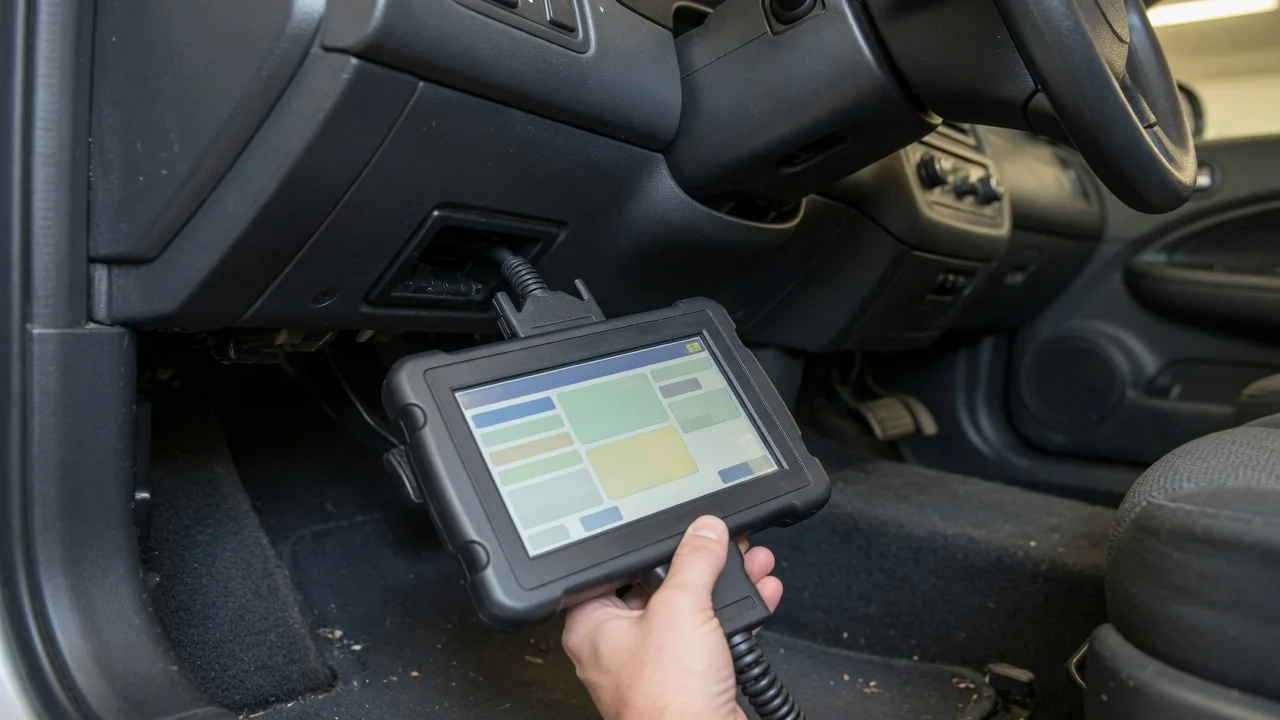
A P1733 code can leave a driver puzzled because its meaning shifts from one vehicle to another. Unlike standardized powertrain codes, the P1 prefix signals a manufacturer-specific diagnostic. Without confirming what your make, model, year, and engine define it as, you could chase the wrong fix. The fault often points to transmission shift control, but symptoms range from a steady check engine light to limp mode. Understanding what you are dealing with starts by verifying the exact code definition for your vehicle, not by trusting generic lookups.
What P1733 Means and Why the Definition Depends on the Vehicle
P1733 belongs to the P1xxx series, which the OBD-II standard reserves for manufacturer-specific powertrain codes. Because automakers can assign different meanings to the same number, there is no universal definition. One vehicle may use it for a shift solenoid circuit fault, while another brand may define it as a control module communication error. The only reliable way to know what P1733 means on your car is to check a factory service source or scan tool with manufacturer-level definitions.
Generic code lookup websites and forum posts often list a single definition for every vehicle, which can mislead a diagnosis. A P1733 that points to a transmission shift control problem on one make may have nothing to do with solenoids on another. Before reading symptoms or planning repairs, confirm the exact meaning for your powertrain configuration. A dealer or a professional scan tool can supply the correct interpretation, and this step prevents wasted parts and unnecessary work.
Symptoms Drivers May Notice With a P1733 Code
Symptoms for P1733 depend on the confirmed definition, but a transmission-related meaning often shows up as harsh upshifts, delayed engagement, or missed gears. You may feel the transmission slip or jerk when the controller commands a shift. However, some vehicles with this code drive normally while the check engine light stays on, flashes, or appears intermittently. The warning lamp alone does not tell you how serious the fault is, and the absence of drivability changes does not mean the code is harmless.
Some interpretations are tied to reduced-power or limp-mode behavior. The powertrain control module may limit engine output or lock the transmission into a single gear to protect components. If that happens, limit driving and record what you observed: when the light appeared, outside temperature, engine temperature, vehicle speed, and any unusual shift behavior. Safe observations give a technician useful freeze frame data context and can help identify whether the issue is heat-related, load-related, or intermittent.
Possible Causes to Check Once the Meaning Is Confirmed
Once you confirm what P1733 means on your vehicle, possible causes can be grouped into categories: electrical circuit faults, sensor or solenoid issues, fluid condition concerns, and control module problems. The specific group depends on the code definition and the system it monitors. A shift solenoid circuit code points toward wiring or the solenoid itself, while a module communication code could involve a network fault. Avoid assuming one cause before testing.
Wiring harnesses, connectors, and grounds are frequent suspects for many manufacturer-specific codes. Vibration, heat, and moisture can damage insulation, loosen terminals, or create high resistance in a circuit. Before replacing an expensive solenoid or module, a technician should inspect the related wiring and check for clean, tight grounds. Some P1733 definitions are also caused by software or calibration issues. A dealer can check for technical service bulletins or module updates that address the exact code on your vehicle.
Safe First Steps a Driver Can Take
Your first step is to read all stored and pending codes, not just P1733. The freeze frame data records engine and transmission conditions when the fault set, and that snapshot helps reproduce the problem. Related codes present at the same time often narrow the diagnosis more than one code alone. For example, a voltage-related code alongside P1733 may point to a shared ground or power supply issue. Use a scan tool that can display manufacturer-specific definitions.
Safe visual checks are limited but useful. Look for obviously damaged or disconnected wiring near the transmission, but do not reach into hot or moving parts. Check transmission fluid level and condition only if the owner's manual gives a safe, approved method, and never guess at a procedure. Avoid clearing the code repeatedly to turn off the light. Erasing it removes freeze frame data and pending codes that a technician needs, and it can interrupt the drive cycle needed for a valid repair confirmation.
Limits of DIY Diagnosis and When to See a Professional
A basic code reader may show P1733 but often cannot give the manufacturer-specific meaning, live transmission data, or bidirectional control. Without that information, you are working blind. Professional testing typically begins with a manufacturer-level scan to read all codes and data PIDs. Then a technician may check circuits with a multimeter, run pressure or function tests on shift solenoids, and verify software updates. This structured approach identifies the actual fault rather than guessing.
Swapping parts based on the code number alone often wastes money without fixing the fault. A P1733 could be caused by a wiring problem, a low fluid condition, or a calibration issue rather than a failed component. If shifting is erratic, the vehicle enters limp mode, or any warning light flashes, get the car checked promptly. Driving with an unresolved transmission-related fault can turn a minor repair into a major one, and a flashing light usually signals an active misfire or catalyst-damaging condition that needs immediate attention.
Is It Safe to Drive With P1733?
Whether it is safe to drive with P1733 depends on the confirmed meaning and how the vehicle is behaving right now. If the transmission shifts unpredictably, lurches, or slips, the risk of losing control in traffic increases. A vehicle that enters limp mode may have reduced acceleration, making merging or climbing hills dangerous. New noises such as whining, grinding, or clunking during shifts also indicate mechanical stress. Do not drive if any of these severe symptoms appear.
Continuing to drive with an unresolved transmission-related fault may risk further damage. For example, low fluid or a stuck solenoid can cause clutch slippage that generates heat and wears friction material. You cannot judge the risk without knowing the exact fault. If symptoms are severe, arrange a tow instead of driving. A tow is often cheaper than a transmission rebuild, and it prevents an unpredictable shift from causing an accident. When in doubt, park the car and have it diagnosed where it sits.
How Repairs Are Confirmed and How to Stop the Code Returning
A repair is confirmed by clearing the codes, completing a test drive or drive cycle, and verifying that the fault does not come back. The drive cycle may need to match the conditions that set the code, such as reaching operating temperature and performing certain shifts. Intermittent faults may require several drive cycles before a fix can be trusted. If the code returns, the original diagnosis was incomplete, and the freeze frame data from the new event can reveal what was missed.
Keep records of codes, freeze frame data, and repairs. This history helps future diagnosis if the same or a related code appears, and it shows what has already been replaced or tested. Follow the maintenance guidance in the owner's manual rather than generic schedules. Transmission fluid and filter changes, when specified and done correctly, can prevent some shift control problems. But maintenance alone cannot fix an existing electrical or software fault, so confirm the repair with a proper drive cycle before considering the problem solved.