P1732 Code: Meaning, Symptoms, Possible Causes and Diagnosis
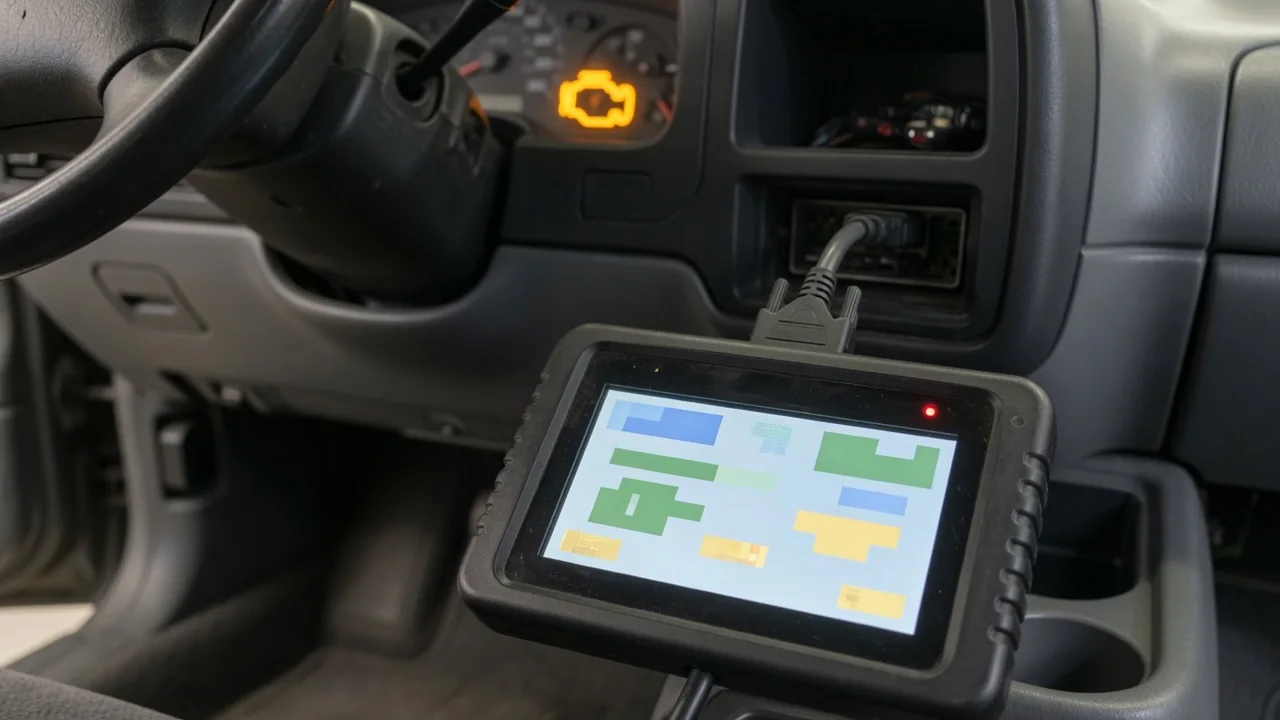
A P1732 trouble code is a manufacturer-specific diagnostic that can mean different things depending on the vehicle. Because it belongs to the P1 range, there is no universal definition, and acting on a generic online description may waste time and money. Drivers often encounter this code after noticing rough shifts, a check engine light, or reduced transmission performance. Confirming the exact meaning for your make, model, year, and powertrain through a capable scan tool or service information is the essential first step before drawing conclusions or replacing parts.
What P1732 Means and Why the Definition Depends on the Manufacturer
The first character after the letter P tells you how standardized a code is. P0, P2, and P3 codes are generic across most vehicles, but P1 codes like P1732 are reserved for each manufacturer. A Ford P1732 may point to a shift solenoid circuit, while the same number on a Nissan could relate to a different transmission check. Even different years or transmissions within one brand can change the meaning, so the only safe approach is to look up the exact definition using a tool that reads enhanced or manufacturer-specific data.
Many vehicles place P17xx codes in the transmission control category, often involving shift solenoids, sensor comparisons, or internal monitoring. However, that is a general pattern, not proof of what P1732 means on your car. Before you start testing or replacing anything, get the code definition from your factory service information, a dealership, or a professional-grade scan tool. Forum posts and generic code libraries can be dangerously misleading because they may describe a similar number for a different platform.
Symptoms Drivers May Notice With P1732 Stored
A stored P1732 can produce a range of driving symptoms when it is tied to transmission control. You may notice a harsh 1-2 upshift, a delayed engagement when moving from Park to Drive, a flare between gears, or even the feeling of being stuck in one ratio. Some drivers report the transmission missing a gear entirely under acceleration. The check engine light is usually on, but sometimes the vehicle may also display a transmission warning message in the instrument cluster.
In many cases the control module responds by entering a fail-safe or limp mode. This limits gear selection, often locking the transmission into second or third gear, and can reduce engine power to protect components. Limp mode is not a repair, but a protective strategy. Other vehicles may store the code without any noticeable difference in shifting, especially early on. Symptoms can appear only when the fluid is hot, during cold starts, under load, or intermittently. Because these signs overlap with many other faults, they cannot identify the root cause on their own.
Possible Causes to Check Once the Definition Is Confirmed
Once you have the exact code definition, you can narrow the likely problem areas. Common categories include electrical circuit faults such as damaged wiring, corroded connectors, or poor grounds; failing shift solenoids or other actuators; transmission fluid that is low, dirty, or aerated; internal mechanical wear in the valve body, clutches, or bands; and control module software or hardware concerns. The relative likelihood of each depends entirely on the vehicle and the specific definition stored.
Low battery voltage or a weak charging system can also cause spurious electrical fault codes. Modern transmission controllers are sensitive to voltage drops during cranking or low idle, so do not overlook the battery and alternator condition before chasing a solenoid. Avoid assuming a particular part is bad based solely on the code number. Many P1732 variants involve a monitored result rather than a direct component failure, and the confirmed manufacturer description will indicate whether the test is continuity, rationality, or performance based.
Safe Checks an Owner Can Do Before Visiting a Shop
Before you clear anything, use an OBD-II scan tool to record the full list of codes, including pending codes and freeze frame data. Freeze frame captures engine speed, temperature, load, and other conditions at the moment the fault set. Clearing the code wipes this information, making diagnosis much harder for a technician later. Write down or photograph the data. If multiple codes are present, note their order. A fault in one system can trigger a transmission-related code, so the complete picture matters.
Note exactly when the problem occurs. Does the transmission act up only when the engine is cold or after a long drive? What gear, speed, and throttle position? Is the check engine light on immediately at startup or only after shifting into drive? These observations help link the code to a specific operating condition. With the engine off and cooled, you can visually inspect easy-to-reach wiring and connectors for obvious damage, rodent chews, corrosion, or looseness, but avoid disconnecting anything unless you are sure it is safe. Check transmission fluid level and condition only by the method in your owner's manual, because many modern transmissions are sealed or require a specific warm-up procedure.
How Technicians Typically Diagnose P1732
A technician does not begin by replacing the part mentioned in the code. The first step is to pull the exact code definition from the factory diagnostic manual. Then they check for technical service bulletins or software updates for that specific trouble code. Many P1732 occurrences are addressed by recalibrating the transmission control module rather than mechanical work. If no bulletin applies, they proceed with a systematic diagnostic that starts with live data: commanded gear, actual gear, turbine and output shaft speeds, solenoid commands, and temperatures.
Electrical testing follows the manufacturer's pinpoint tests. That may include checking resistance and amperage at a shift solenoid, performing a wiggle test on the harness, or checking ground integrity. A scope or scan tool can reveal a solenoid that is stuck electrically or a sensor signal that drops out during a shift. The code alone only tells you the computer saw an unexpected result—it could be a broken wire, a sticky valve, a failed sensor, or even a programming issue. Replacing parts without proving the circuit or mechanical path first often leads to come backs and wasted money.
Is It Safe to Keep Driving With P1732?
Whether you can keep driving with P1732 depends on the exact definition and the vehicle's current behavior. If the shifts are only slightly firmer than usual and no limp mode is active, you may be able to drive carefully to a shop. However, any associated slipping, harsh engagement, loss of gears, warning messages, or a burning smell means you should stop and have the vehicle towed or inspected immediately. A transmission that slams into gear can shock the driveline and stress components, while slipping generates excessive heat.
If the car is in limp mode, it is limited to a single gear by design. That may be enough to get home at low speed, but avoid long highway trips because the engine may rev higher and the transmission may not cool as well without converter lockup. Do not drive if shifts are unpredictable or the vehicle cannot accelerate safely in traffic. Ignoring a shift-related fault can cause further internal wear and turn a simple wiring repair into a major overhaul. The only safe answer is get a proper diagnosis soon.
Repair Approaches and Confirming the Fix
The repair follows the diagnostic result. It could be as simple as cleaning or replacing a connector, repairing a chafed wire, updating the transmission control module software, or replacing a single shift solenoid. In more serious cases the valve body may need to be rebuilt or replaced, clutches may be worn, or the transmission may require an overhaul. Internal transmission, valve body, and module work should be left to qualified technicians with the correct special tools and access to the latest service information.
After any repair, the control module should be cleared of all codes and then the vehicle driven to complete a complete drive cycle. The exact drive cycle varies by manufacturer, but generally includes a cold start, varied speeds, and multiple shifts. After the drive, recheck for any pending or returning codes and monitor live shift data. Keep records of the original codes, freeze frame, tests performed, and parts replaced. If the P1732 returns later, that history will help narrow the search to a missed wire, a faulty new part, or an intermittent condition.