P1731 Code: Vehicle-Specific Meaning, Causes and Diagnosis
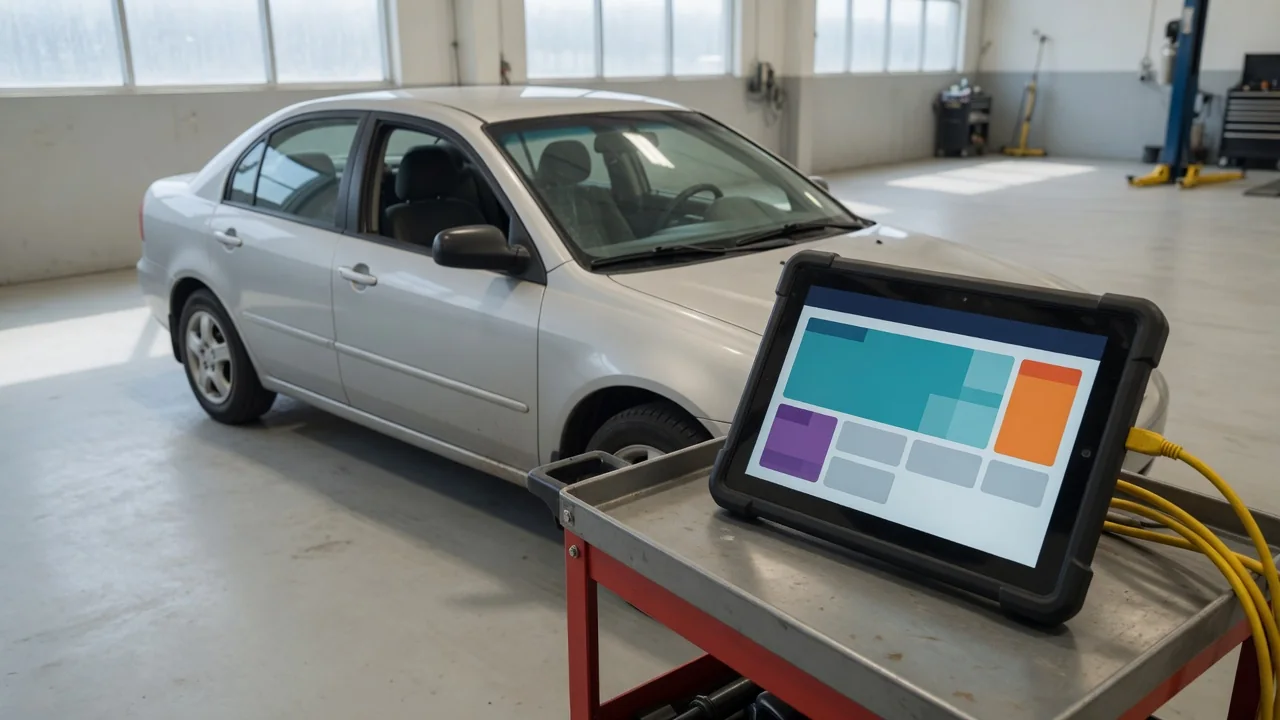
When a scan tool reports a P1731 diagnostic trouble code, the label it displays may not apply to your vehicle. This manufacturer-specific powertrain code can indicate different faults depending on the make, model, year, engine, and transmission. A P1731 on one vehicle might involve transmission control, while on another it could point to a different system entirely. Jumping to a conclusion based on a generic definition often leads to unnecessary repairs. The correct interpretation starts with your vehicle’s exact configuration and the specific diagnostic information the control module captured when the fault was recorded.
What P1731 Means for Your Specific Vehicle
Because P1731 is manufacturer-specific, there is no single definition that can safely be applied to every vehicle. The same code may be used by different automakers for unrelated conditions, ranging from transmission range sensor rationality to shift solenoid performance or even transfer case operation. To interpret the code correctly, you must confirm the manufacturer, model, year, precise powertrain, and which control module reported the fault. These details narrow the possible meaning enough to consult the correct service information and avoid chasing a definition meant for another platform.
Even when the scanner displays a short text label such as “Gear Shift Malfunction” or “Transmission Control System Fault,” that description is often abbreviated and may not match the powertrain controller that actually set the code. Vehicle-specific service information provides the true definition, along with the exact conditions required to run the monitor and set the fault. A label from an aftermarket tool is a useful starting point, but it does not replace the detailed description found in the manufacturer’s diagnostic data.
Symptoms and Scan Details to Record
Before attempting any repair, document what the vehicle was doing when the code appeared. Note warning messages, rough shifting, unusual engine speed changes, or differences in acceleration. A fault that occurs only when the transmission is cold or after a long highway drive can be meaningful. These observations are symptoms, not proof of a failed component, but they help a technician select relevant tests. Also record the vehicle identification number and the mileage at the time of the event, since some P1731 definitions change with production date or calibration level.
Save the complete diagnostic scan report before clearing anything. The report should show code status—current, pending, or history—along with freeze-frame data capturing engine load, vehicle speed, transmission temperature, and gear command at the moment the fault set. Companion fault codes are equally important because a network or voltage issue can cause multiple modules to report problems at once. A stored code can remain after an intermittent event even if the condition is not present now, and the absence of noticeable symptoms does not mean the underlying issue has resolved.
Possible Causes After the Definition Is Confirmed
After the definition has been confirmed for your exact vehicle, possible causes should be organized around the fault-setting conditions described by the manufacturer. Many P1731 codes monitor the plausibility of transmission speed signals or shift timing. Causes may include low transmission fluid level, worn shift solenoids, damaged wiring, or a failing speed sensor—but only if the diagnostic procedure lists those items. Guessing without this context leads to replacing parts that were never commanded and cannot affect the monitor that set the code.
Electrical supply problems, corroded connectors, and signal interference can create codes that name a specific component even when that component is not defective. A code for a shift solenoid circuit does not mean the solenoid itself must be replaced; it means the control module observed an unexpected electrical state. Companion codes often reveal a shared power feed or ground that affects several sensors at once. Recent repair history can also be relevant, especially if wiring connectors were disturbed, fluid was exchanged, or a module was reprogrammed shortly before the fault appeared.
Safe Checks Before a Service Appointment
Before scheduling service, write down the vehicle identification number, current mileage, any recent work, and a timeline of symptom onset. Include whether the fault appeared suddenly, after a specific event, or gradually over time. This information helps a technician avoid repeating diagnostic work and focus on the areas most likely related to the P1731 code. Keep the record factual: a warning message saying “Transmission Hot,” a smell of overheated fluid, or a new hum during deceleration is useful, but avoid guessing at internal failures.
Do not clear codes or disconnect the battery before the vehicle is diagnosed. Erasing the freeze-frame data and companion codes removes the only snapshot of the conditions that caused the fault. Likewise, replacing parts based on a code definition or online guess can create new problems and obscure the original evidence. Keep owner inspections limited to dashboard messages, externally visible leaks, and sounds or smells noticed during normal use. Probing wires, reaching near rotating pulleys, getting under an unsupported vehicle, or performing improvised road tests to force the code are unsafe and can damage components.
When Driving Should Stop and Testing Is Needed
A P1731 code by itself cannot determine whether continued driving is safe. The same code might reflect a minor calibration drift or a serious loss of transmission control depending on the vehicle. If the car loses propulsion, shifts erratically, enters a reduced power mode, or displays a message directing you to stop safely, pull over as soon as possible and arrange for assistance. Driving with certain transmission faults can cause internal damage or create a sudden loss of motive power in traffic.
Professional diagnosis begins with confirming the code definition for your vehicle and reviewing all associated faults from the scan report. A technician will evaluate live data from the transmission control module, such as gear command, turbine speed, output speed, and solenoid commands, to see whether the reported condition matches a real mechanical fault or an input problem. Advanced tests may require a lab scope, pressure gauges, or a scan tool capable of bidirectional control. These procedures demand suitable training and equipment, especially where high‑current circuits or high‑pressure fluid are involved.
Choosing a Repair and Confirming the Result
No repair should be approved based on the code number alone. Once a technician has demonstrated a specific fault through test data, request the verified code definition, the measurements that led to the conclusion, the proposed repair, and an itemized estimate. A legitimate plan will connect the failure to the vehicle-specific diagnostic procedure. For example, a repair might involve repairing a corroded connector, updating control module software, or replacing a solenoid only after its circuit and operation have been tested and found defective.
After the work is completed, verification must go beyond simply clearing the code and watching the light go out. The technician should rerun the applicable diagnostic monitor, confirm that the enabling conditions are met, and verify that the fault no longer returns under the same operating circumstances that originally set it. A follow-up scan should show no pending codes and all readiness monitors passing as expected. A short road test performed under safe, controlled conditions can also confirm that the original symptom—such as a delayed or harsh shift—has not reappeared.