P1730 Code: Meaning, Symptoms, Possible Causes and Diagnosis
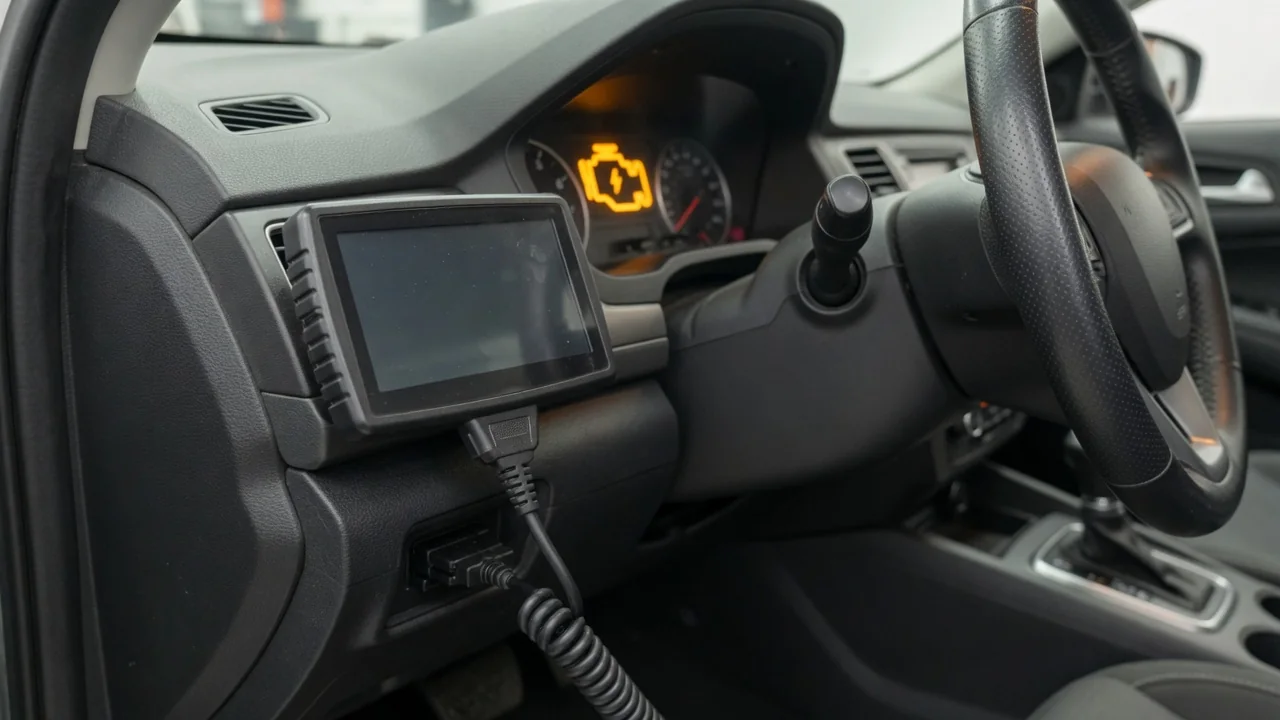
When your vehicle stores a P1730 trouble code, you're dealing with a manufacturer-specific powertrain fault rather than a universal OBD-II definition. This code appears in the P1xxx range, which automakers use for unique transmission or engine control logic. The exact meaning of P1730 can change between brands, models, and even model years, so a generic lookup may mislead you. Understanding the code's true definition for your vehicle is the first step toward an accurate diagnosis and avoiding unnecessary repairs.
What P1730 Means and Why the Definition Depends on the Manufacturer
P1730 begins with 'P1,' which signals a manufacturer-specific powertrain code. Unlike generic codes such as P0700, P1730 does not have one universal definition across all vehicles. The meaning is assigned by the automaker and can refer to anything from a shift solenoid circuit fault to an internal transmission control module issue, depending on the vehicle. You must confirm the exact definition for your specific make, model, year, and engine or transmission combination using a reliable service information source, a dealership, or a scan tool that displays enhanced manufacturer definitions.
Many P17xx codes are associated with transmission functions, but this is not a hard rule for every automaker. A code that means 'gear ratio error' on one brand might indicate a 'transmission range sensor circuit' on another. Relying on a generic online code definition from a different manufacturer can lead to misdiagnosis and costly, unnecessary parts replacement. Always verify the enhanced code description for your exact vehicle before interpreting symptoms or planning repairs.
Symptoms Drivers May Notice With a P1730 Code
Drivers may notice a variety of symptoms when P1730 is stored. A lit check engine light is common, but transmission-related codes often produce more noticeable behavior. You might experience harsh or delayed shifting, where the transmission clunks into gear or hesitates before engaging. Some vehicles may miss a shift entirely or rev unusually high between gears, indicating the transmission control module is struggling to manage shift timing. These symptoms can appear intermittently and may worsen as the transmission warms up or under heavy load.
In some cases, the vehicle enters a reduced-function or 'limp mode' that limits gear selection, often locking the transmission into second or third gear to protect internal components. However, P1730 can also be stored with no noticeable driving symptoms at all, especially if the fault is intermittent or electrical. The absence of symptoms does not mean the code is harmless. Note when symptoms occur—such as engine temperature, vehicle speed, throttle load, and which shift is affected—because this information helps a technician narrow down the fault.
Possible Causes to Consider Once the Definition Is Confirmed
Once you confirm the exact P1730 definition for your vehicle, possible causes fall into broad categories rather than a single definitive list. Electrical faults are common suspects: damaged wiring, corroded connectors, or poor grounds in the transmission control circuit can interrupt signals and set the code. Sensor or solenoid circuit problems may also trigger P1730 if the transmission range sensor, speed sensor, or shift solenoid is not responding within expected parameters. Fluid level and condition play a critical role, as low or degraded transmission fluid can affect hydraulic pressure and cause gear ratio faults.
Control module software or communication issues are another category to consider. The transmission control module may require a software update, or there could be a data bus communication error between modules. Additionally, low battery voltage or a weak charging system can sometimes cause spurious powertrain codes. Before diving into transmission repairs, confirm basic electrical health: check battery voltage, alternator output, and ground connections. Do not assume any specific cause is more likely without diagnostic testing for your exact code definition.
Safe Checks You Can Do Before Visiting a Shop
Before visiting a shop, you can perform a few safe checks. Start by reading the code with an OBD-II scanner. Save the freeze frame data, which captures engine conditions when the code was set, and note any other stored or pending codes. This information is valuable for diagnosis and can be lost if you clear the code prematurely. Do not clear the code until you have documented everything, as clearing only erases the record and does not fix the underlying fault.
With the engine off and cool, visually inspect accessible wiring and connectors around the transmission and engine bay. Look for obvious damage, loose plugs, or corrosion. Check under the vehicle for fluid leaks, especially red or brown transmission fluid. If your owner's manual describes a transmission fluid dipstick, check the level and condition using the correct procedure at the specified temperature. Many modern transmissions have no dipstick and require a shop to check fluid level. Remember that clearing the code without repairing the fault means it will likely return once the conditions that set it are repeated.
How Professionals Diagnose P1730
Professional diagnosis begins by confirming the manufacturer-specific definition of P1730 for your exact vehicle. Technicians use factory service information or a professional-grade enhanced scan tool to pull the code definition and the accompanying diagnostic procedure. They will also retrieve all stored codes and freeze frame data before performing any tests. The next step usually involves monitoring live data from the transmission control module during a road test to compare actual values against expected parameters for shift solenoids, speed sensors, and gear ratios.
Electrical circuit testing is often required to isolate the fault. Technicians may check resistance and continuity in the shift solenoid circuit, test for short-to-ground or open circuits, and inspect the wiring harness for damage not visible from the outside. They may also check for software updates or technical service information (TSIs) that describe known issues and fixes for your vehicle. A code alone is never proof that a specific part has failed. Pinpoint testing is essential before replacing any component, because internal transmission inspection or repairs often require lifting the vehicle and handling hot fluid—work best left to qualified professionals.
Is It Safe to Drive With a P1730 Code?
Whether it is safe to drive with a P1730 code depends entirely on the confirmed definition and how your vehicle behaves. There is no universal answer. If you notice harsh shifts, slipping, limp mode activation, warning messages, a burning smell, or fluid leaks, you should limit driving and seek prompt diagnosis. These symptoms suggest the transmission is not operating correctly and could suffer further damage under continued use.
Continuing to drive with a transmission-related fault can lead to internal wear, overheating, and more extensive—and expensive—repairs. If the vehicle cannot safely hold gears, fails to accelerate normally, or behaves unpredictably in traffic, do not drive it. In such cases, towing or professional help is the safest choice. Even if the car seems to drive normally, having the code diagnosed early can prevent a minor electrical issue from becoming a major transmission failure.