P1726 Code: What It Means, Possible Causes and Safe Next Steps
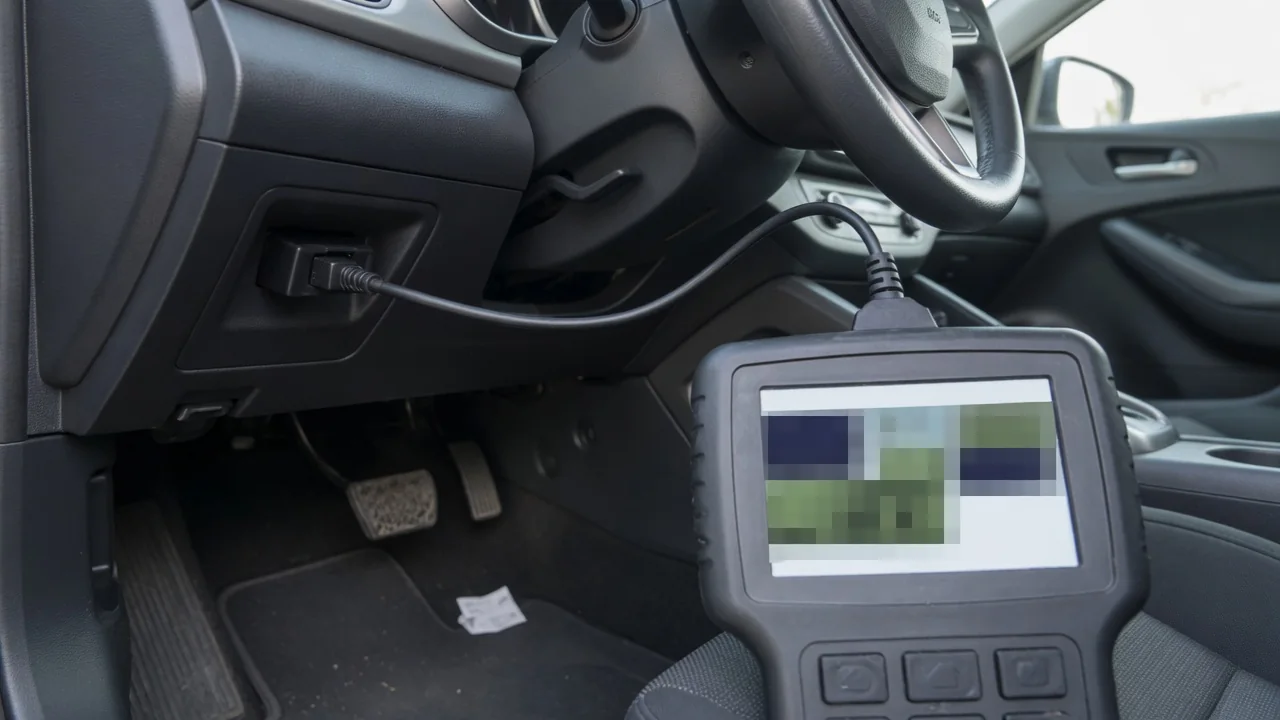
A P1726 code can leave you guessing because it does not have one universal meaning. This OBD-II diagnostic trouble code falls into the manufacturer-specific range, so its definition changes by make, model, year and engine. The check engine light may come on with drivability changes, or there may be no obvious symptom. Interpreting the exact code description and freeze frame data matters more than the number itself.
What P1726 Means and Why the Definition Depends on Your Vehicle
P1726 is a manufacturer-specific trouble code, meaning it is not defined by a single generic standard across all vehicles. The P1xxx range is reserved for each automaker to assign its own meanings, often related to transmission or engine control. Because of this, a definition that fits one brand may be completely wrong for another. The code's meaning can also vary between model years or engine options within the same manufacturer, even though the number stays the same.
Before acting on any code-lookup list, confirm the definition for your exact vehicle using a scan tool that includes manufacturer definitions or official service information. Generic readers often show only a short, sometimes misleading, text description. The full code description and freeze frame data captured when the fault set provide the real context: operating temperature, engine load, speed and other values at that moment. Those details point toward a system rather than leaving you to guess from the code alone.
Symptoms That May Appear With a Stored P1726
A stored P1726 may appear with several general symptoms, depending on what the code actually controls on the vehicle. Drivers might notice the check engine light or a transmission warning indicator, harsh or delayed shifting, reduced acceleration, engine stalling or an unusual limp mode. Some vehicles show no drivability change at all, while others may run roughly only when cold, under load or at highway speed. Because the code is manufacturer-specific, these signs alone cannot identify a failed part.
Keeping a log of when symptoms occur will help a technician link the code to a specific circuit. Note whether the issue appears on a cold start, after the engine warms up, when shifting from park to drive or during steady cruising. An intermittent fault can set the code during one drive cycle and then disappear, so a symptom that seems unrelated may be crucial. The more precisely you can describe the conditions, the faster the diagnosis can move forward.
Common Categories of Causes to Consider
Although P1726 has no single cause, most manufacturer-specific transmission or drivetrain codes fall into three broad categories: a failed sensor or actuator, a wiring harness or electrical connector problem, or an internal control module fault. A sensor may send a plausible but incorrect signal, an actuator may stick, a wire may rub through insulation, or a module may misinterpret a value. Low battery voltage or poor grounds can also produce false codes by disrupting reference voltages inside the control module.
Until the exact definition for the vehicle is confirmed, any list of parts to replace is a guess. The cause categories help organize testing, but they do not tell you which component is faulty. For example, a speed sensor code could stem from the sensor, its connector or the wiring to the transmission control module. Jumping to a conclusion from a generic definition often leads to replacing a good part while the real issue remains.
Safe Checks a Driver Can Make Before Visiting a Shop
Before taking the vehicle to a shop, record every stored and pending code with a scan tool, not only P1726. Other codes may set together and point to a shared circuit or module. Write down the full definitions and freeze frame data if the tool displays them, because clearing the code erases this evidence. A quick visual check can also help: look for loose connectors, damaged wiring, or low transmission fluid, but only with the engine off and cool.
Check official manufacturer or dealer sources for a technical service bulletin related to P1726 for your vehicle. A bulletin may describe a known software update, connector repair or wiring reroute that saves diagnostic time. Do not clear the code just to see if it comes back. Once cleared, freeze frame data and pending status are lost, making the next technician's job harder. Keep all recorded information and share it clearly when you schedule service.
When Professional Diagnosis Is Needed
Confirming the actual fault behind P1726 often requires a professional scan tool with manufacturer-specific data, not just a generic code reader. A technician can command actuators, monitor live sensor values and compare them to expected ranges for your exact calibration. Circuit testing of the wiring harness and connectors, along with checks for voltage drops and shorts, may be needed. On some vehicles, a control module update or reprogramming is the actual repair, which requires dealer-level equipment.
Stop driving and seek immediate help if the vehicle enters limp mode, shifts harshly, stalls or behaves unpredictably. Those symptoms can create a safety risk and may indicate a failure that will leave you stranded. Do not replace parts based on the code number alone, as that often wastes money without fixing the fault. When you visit a shop, bring the full code description, a written symptom log, recent repairs and any battery or electrical history, because voltage issues can mimic sensor failures.
What Happens After a Repair and How to Confirm the Fix
After a repair, the P1726 code may not disappear immediately. Many fault codes require one or more drive cycles with specific conditions before the control module clears them and completes its self-tests. A technician can often clear the code with a scan tool, but the underlying monitors may still need time to run. Ask what drive cycle is needed for your vehicle and drive normally to allow the module to gather data and confirm the repair.
Even if the light stays off, check for a pending code after a few days of driving. An intermittent fault can pass a quick test and return later under different temperature or load. A follow-up scan with the same tool can show whether P1726 has come back as pending or confirmed. Keep records of codes, repairs and dates; if the code reappears months later, that history helps a technician see whether this is the same fault or a new problem.