P1723 Code: What It Means and How to Diagnose It Safely
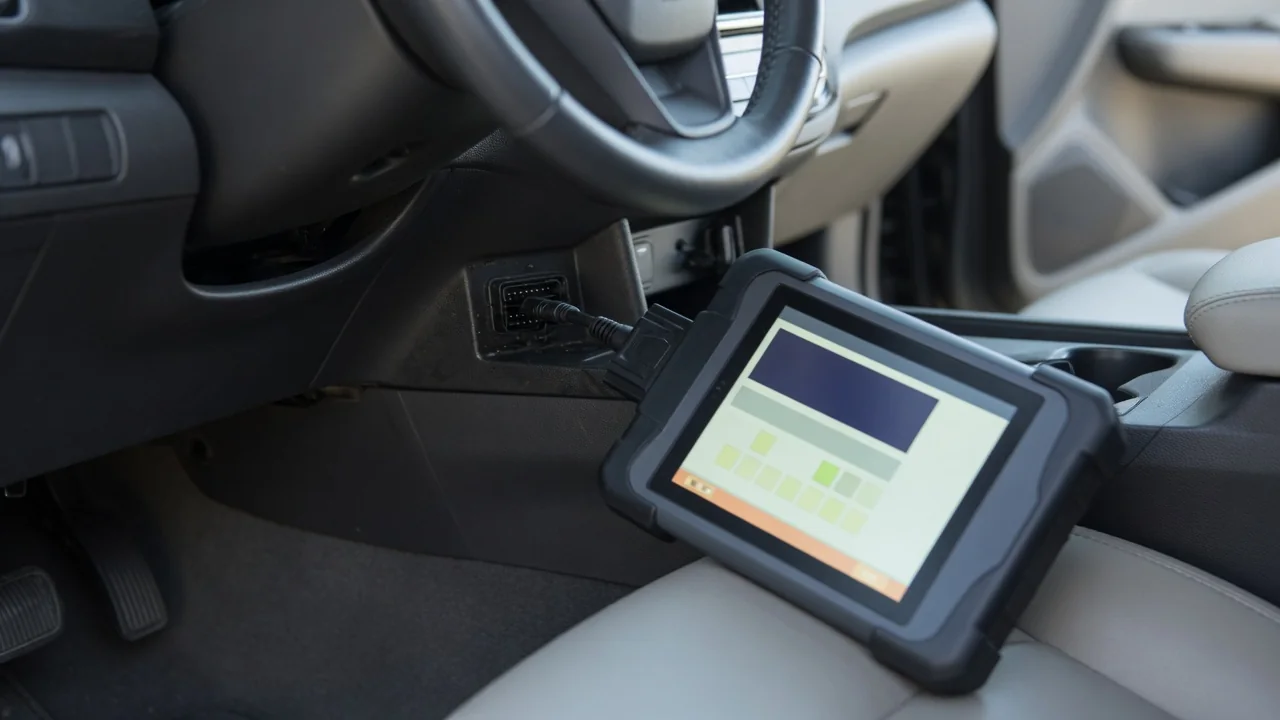
A P1723 code on your scan tool means the powertrain control module has logged a condition, but the definition is not universal. The P1 prefix marks a manufacturer-specific trouble code, so its meaning changes by brand, model, year, and engine. On many vehicles, P17xx codes relate to transmission or drivetrain systems, but that is only a pattern. Before you replace any part, confirm the exact definition for your vehicle.
What P1723 Means and Why the Definition Depends on the Manufacturer
P1723 belongs to the P1 group of manufacturer-specific powertrain codes. Unlike generic P0 codes, P1 codes can carry entirely different meanings from one automaker to another. The same P1723 may point to a transmission range sensor on one vehicle and an unrelated subsystem on another. This means any interpretation must start with the exact make, model, year, and engine, not a generic code list.
On many brands, P17xx codes frequently involve transmission or drivetrain electronics, but that is a tendency rather than a rule. A code number alone cannot tell you which component is involved. Relying on an online definition written for a different manufacturer risks misdiagnosis and wasted repairs. The confirmed factory definition for your specific vehicle is the only safe starting point.
How to Confirm the Exact P1723 Definition for Your Vehicle
Read the code with an OBD-II scanner that supports manufacturer-specific codes. Basic readers may display P1723 with no description or a generic label that is not accurate for your vehicle. A scan tool with enhanced coverage can show the automaker’s assigned definition. If your scanner cannot, note the code and move to the next step rather than guessing from the number.
The most reliable definition comes from factory service information, a dealer service department, or a qualified independent shop with access to the manufacturer’s data. When you ask, provide the vehicle identification number and exact model details, including engine and transmission. Also record freeze frame data, whether the code is pending, stored, or permanent, and any companion codes. That information narrows the diagnosis and prevents misinterpretation.
Symptoms Drivers May Notice With a P1723 Code
Symptoms depend entirely on which system the manufacturer assigned to P1723. Some vehicles may show only a check engine light and no drivability change. Others could enter a reduced-power or limp mode, display a transmission warning message, or exhibit unusual shifting if the code is transmission-related. Do not assume any symptom is typical for all vehicles with this code.
Write down exactly when the symptom appears. Does it happen on a cold start, at highway speeds, or after shifting between gears? Does the transmission hesitate, flare, or shift harshly? Is the engine power limited? These notes help a technician reproduce the fault and connect the symptom to the confirmed code definition. A clear record of conditions often saves diagnostic time.
Possible Cause Categories Once the Meaning Is Confirmed
Once the correct definition is known, possible causes usually fall into broad categories: wiring or connector problems, a faulty sensor or switch, control module or software issues, and system-specific mechanical faults. The confirmed definition tells you which category applies. Replacing parts on guesswork wastes money and may not fix the underlying circuit problem.
If related codes are stored at the same time, examine them together. Multiple codes can share a common power or ground circuit, a damaged wiring harness, or a failing module. For example, several transmission sensor codes might point to one chafed harness rather than multiple sensor failures. A technician uses this pattern to isolate the true cause before ordering any component.
Safe Checks You Can Do Before Visiting a Shop
Before visiting a shop, you can perform limited visual checks with the engine off. Look for obviously damaged, loose, or corroded connectors and wiring in easy-to-reach areas. Do not pull on wires or remove components. If the code definition points to a transmission component, you may be able to inspect the external connector and nearby harness without raising the vehicle.
Check fluid level and condition only if the owner’s manual describes a safe owner procedure. Some vehicles have a transmission dipstick; many do not. Do not attempt to add or change fluid without factory instructions. Write down the code, freeze frame data, and symptom notes before clearing anything. If the vehicle is in limp mode, shifts harshly, or behaves unpredictably, avoid driving long distances and have it towed or inspected nearby.
When Professional Testing Is Needed for P1723
Confirming P1723 often needs manufacturer-level scan tools, live data, and circuit testing that go beyond a basic code reader. If the vehicle has drivability changes, the code returns after clearing, multiple related codes appear, or you feel unsafe driving, seek professional help. The code alone does not identify a failed part; it only indicates the circuit or system that the module is monitoring.
A technician will confirm the definition for your VIN, check for relevant technical service bulletins or software updates, and test the circuit or component using a wiring diagram and proper tools. They may monitor live data while operating the vehicle to see when the fault condition occurs. This structured approach distinguishes a sensor that is reporting correctly from a wiring fault or an internal module problem.
Clearing P1723 and Confirming the Repair Worked
Clearing the code without fixing the cause usually means it will return, and you may lose freeze frame data that helps diagnosis. After a repair, clearing the code and driving under the same conditions that set it is a common way to confirm the fix. If the code does not reappear after several drive cycles, the repair may be successful, but some faults require specific driving patterns.
Readiness monitors and code status can take several drive cycles to update after a repair. Do not assume a cleared code means the problem is solved if the monitors have not completed. Keep repair records, including the confirmed definition, test results, and parts replaced. If the fault returns or the vehicle needs further diagnosis, that history saves time and prevents repeated testing.