P1721 Code: What It Can Mean, Common Symptoms and Safe Diagnosis
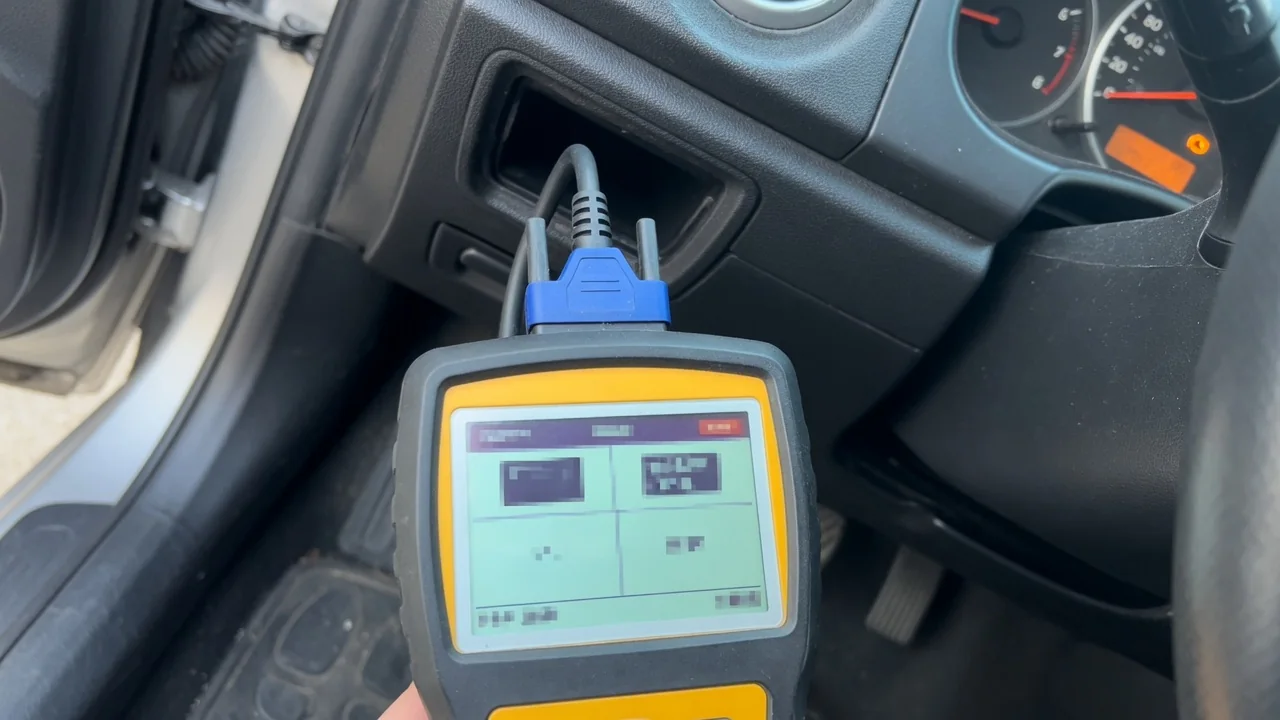
A P1721 diagnostic trouble code appears when a vehicle’s control module records a condition that the manufacturer has defined for that specific make, model, and model year. Because it belongs to the P1xxx range, there is no single universal meaning; the definition can differ between brands and even between engine or transmission choices. A check engine light or transmission warning may accompany it, but the exact fault requires confirmation through the vehicle’s factory service information or an enhanced scan tool. Reading the code correctly before any repair decision helps avoid misdiagnosis.
Why P1721 Has No Single Universal Definition
P1xxx codes are reserved for manufacturer-specific diagnostics, meaning the same numeric code can point to different systems depending on the vehicle. On one model, P1721 might relate to a transmission speed sensor circuit, while on another it could involve a gear ratio error, a shift solenoid issue, or an entirely different subsystem. This variety is why generic code lookups often mislead; they may list a definition that applies to only one automaker or to an older platform. Without confirming the exact application, any interpretation is only a guess.
The most reliable confirmation methods include using a scan tool with enhanced manufacturer coverage, consulting factory service information, or contacting a dealer with the vehicle identification number. These sources reference the specific calibration and software version in the vehicle, which generic online lists cannot provide. Even well-known code databases may carry outdated or incomplete entries because manufacturers revise definitions over time. A qualified shop with access to the proper service data can quickly match the code to the exact vehicle configuration and prevent chasing a false lead.
Reading the Code Correctly Before Drawing Conclusions
Before any conclusions are drawn, record the freeze frame data, the code status, and any companion codes. Freeze frame captures operating conditions such as engine speed, vehicle speed, coolant temperature, and load at the moment the fault was set. Knowing whether P1721 is pending, current, or history indicates how recently the condition occurred. Companion codes are equally important because they may point to a related circuit, a communication fault, or a missing input that explains why the control module flagged the problem. All of this information should be preserved before any clearing.
Write down the VIN, model year, engine, and transmission details because these determine which definition applies. Even within the same model, different powertrains can carry different fault meanings. Clearing the code erases freeze frame data and code status on many vehicles, which removes the clues a technician needs for efficient diagnosis. A basic code reader may not show manufacturer-specific enhanced data or pending codes, so it is better to keep the fault stored until a professional can retrieve a full report. The goal is to gather evidence, not to erase it.
Symptoms Drivers May Notice With P1721
The symptoms that accompany P1721 depend entirely on what the code means for the specific manufacturer. Drivers may notice a check engine light, a transmission warning indicator, or a message on the instrument cluster. Shifting behavior can change, such as delayed engagement, harsh shifts, failure to shift into a certain gear, or the transmission entering a limited operating strategy sometimes called limp mode. The vehicle may feel down on power, accelerate poorly, or hold a lower gear than expected. Unusual noises like whining, buzzing, or clunking can also appear in some cases.
Some vehicles display no noticeable symptom at all, and the code is found only during a routine scan or an emissions inspection. When symptoms do occur, noting the conditions helps a technician reproduce and isolate the fault. For example, does the problem appear only on a cold start, at highway speed, under hard acceleration, or after the vehicle warms up? These observations can separate an intermittent electrical issue from a consistent mechanical one. Recording the exact behavior along with the code data gives the technician a head start on the correct diagnostic path.
Possible Cause Categories to Discuss With a Technician
Rather than guessing at a single cause, it is more useful to think in broad categories that depend on the verified manufacturer definition. Sensor or circuit faults are common possibilities, where a signal is missing, out of range, or implausible. Wiring and connector problems can cause the same symptoms, especially if the harness is chafed, corroded, or loosely connected. Control module concerns, such as internal faults or software errors, may also set the code. Mechanical conditions inside the transmission, like clutch wear or valve body issues, cannot be ruled out until testing eliminates electrical causes.
Because the correct cause list comes from the manufacturer’s diagnostic procedure, the first step is always to confirm the exact definition for the vehicle. Low battery voltage or charging system problems can sometimes trigger unrelated-looking codes, so a basic check of battery condition and alternator output is often part of the diagnostic routine. However, no specific part should be named as a confirmed fix without testing. Replacing a sensor, solenoid, or module based only on the code presence is a common and costly mistake. The code is a starting point, not a verdict.
Safe Checks You Can Do Without Special Tools
Without special tools, a few non-invasive observations can still be helpful. Look at the wiring harness and connectors that are easily visible, checking for obvious damage such as melted insulation, rodent chewing, or loose plugs. Watch for fluid leaks under the vehicle, particularly red transmission fluid, which could indicate a seal or pan issue. Note any dashboard messages beyond the check engine light, such as a transmission over-temperature warning or a service reminder. These visual clues can support a professional diagnosis but rarely identify the root cause on their own.
Contacting a dealer with the VIN can reveal whether any open recalls or technical service bulletins apply to the vehicle, though it should not be assumed that one exists. A basic code reader and a visual inspection have clear limits: they cannot test sensor signals, check control module logic, or measure hydraulic pressures. Disassembly and electrical probing are not recommended without training and proper service information, because they can damage sensitive components or create new faults. Driving the vehicle hard to make a symptom reappear can worsen the condition and should be avoided.
Is It Safe to Keep Driving With P1721?
Whether it is safe to keep driving with P1721 depends on the confirmed meaning and how the vehicle is behaving. In some cases, the fault may be intermittent and the vehicle operates normally, but that does not mean the underlying problem is harmless. If the code relates to a transmission control function, continued operation could lead to increased wear or sudden failure. The best approach is to have the code diagnosed as soon as practical, especially if any change in drivability occurs. A blanket yes or no answer is not possible without knowing the specific vehicle and fault definition.
Certain warning signs mean the vehicle should not be driven and should be towed or inspected promptly. These include harsh or erratic shifting, loss of power, overheating indications, flashing warning lights, or the transmission refusing to engage a gear. Limp mode may be intended to protect the drivetrain, but it is not designed for extended use or high-speed travel. Continuing to drive with an unresolved fault can risk further damage to the transmission or related systems. When in doubt, stopping and arranging professional transport is the safer choice.
When to Get Professional Testing and What to Expect
A professional diagnosis for P1721 usually begins by confirming the manufacturer definition for the exact VIN, then follows the factory pinpoint test procedure for that code. The technician may check wiring continuity, sensor signals, control module communication, and software update status. In some cases, a technical service bulletin may direct a specific repair or reflash, but that must be verified against the vehicle’s build date and calibration. Pinpoint testing distinguishes between a sensor failure, a wiring fault, and a control module issue without replacing parts blindly.
Bringing the recorded freeze frame data, companion codes, and a written note of symptoms and driving conditions saves time and helps the technician focus on the most likely areas. The actual repair depends on the tested root cause, so replacing a part based on the code alone is not recommended. After the diagnosis, ask the shop to explain what was tested, what the results showed, and why a particular repair is necessary. A clear explanation builds confidence in the recommendation, regardless of the final cost.