P1714 Code: What It Means, Likely Causes and How to Diagnose It
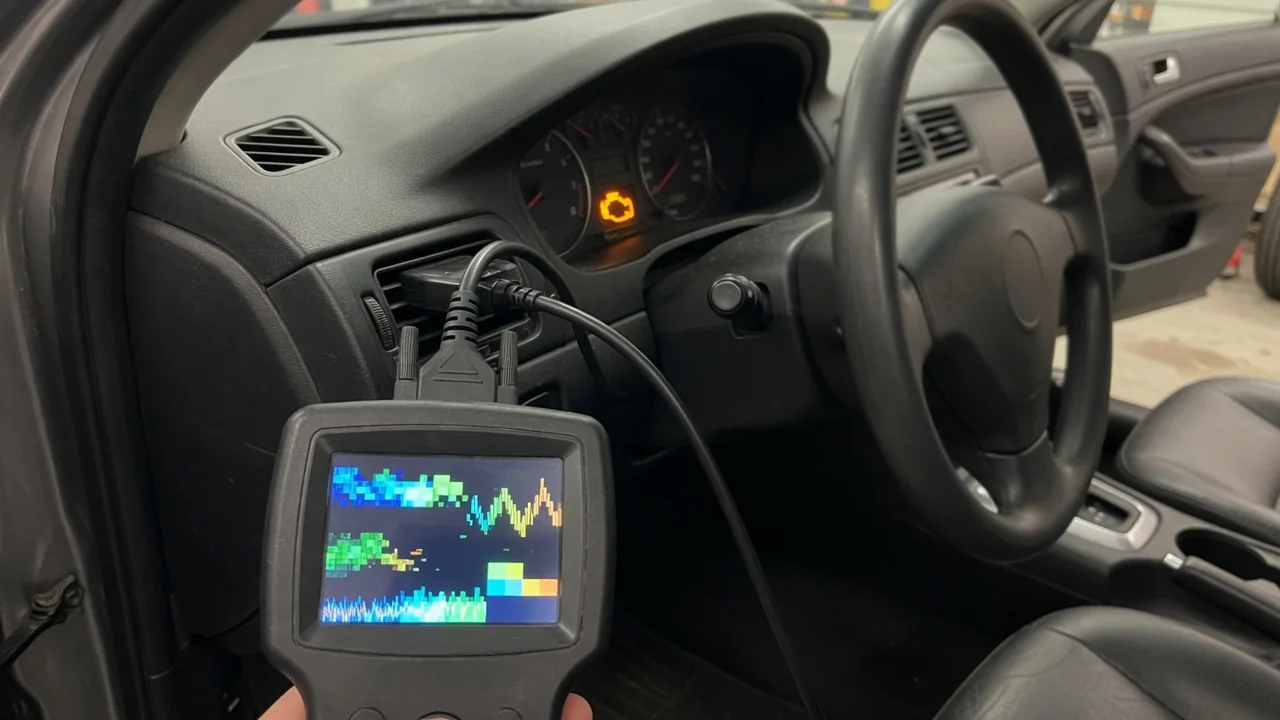
A P1714 code can leave a driver staring at a check engine light with no clear answer, because this trouble code does not mean the same thing on every vehicle. Unlike generic powertrain codes, P1714 is manufacturer-specific and often points to an automatic transmission circuit issue. Understanding the exact definition for your make, model, and year is essential before replacing any parts. Record the code, freeze frame data, and any companion codes with an OBD-II scanner, then use vehicle-specific service information to interpret what the transmission control module is reporting.
What P1714 Means and Why the Definition Depends on Your Vehicle
P1714 belongs to the P1xxx range, which each automaker defines differently for its own vehicles. On one brand it may describe a shift solenoid circuit fault, while on another it can relate to a speed sensor or transmission control module input. There is no universal meaning, so relying on a generic code definition or another vehicle’s experience can mislead diagnosis. The code must be checked against the exact make, model, year, and engine or transmission combination, preferably through official service information or a dealer-level lookup, before any conclusion is made about what part or circuit is involved.
A basic OBD-II scanner may show only the code number and a short phrase such as “manufacturer control transmission,” but an enhanced scan tool can reveal the specific circuit, expected values, and test criteria. Manufacturer-level software often adds a clearer description and may display related data from the transmission control module that a generic reader cannot access. Before doing anything else, record whether the code is pending, stored, or permanent, along with any companion codes and freeze frame data such as engine temperature, speed, and gear position. That information preserves the conditions that triggered the fault and is vital for correct diagnosis.
Symptoms Drivers May Notice With P1714
When P1714 is tied to transmission control, drivers may notice harsh or delayed engagement, erratic upshifts or downshifts, or the transmission staying in a single gear. Many vehicles enter a limp mode that limits speed and fixes the transmission in a safe gear to protect internal components. The check engine light may be the only warning, and sometimes no noticeable driveability change occurs at all. The absence of symptoms does not mean the fault is insignificant, because an underlying electrical issue or failing sensor can progress and leave the vehicle unable to move normally later.
Speedometer fluctuations, a tachometer that does not match road speed, or shift quality changes can overlap with other faults, so symptoms alone cannot confirm the cause of P1714. A technician will benefit from seeing when the problem appears: during a cold start, after the transmission warms up, only in certain gears, or at particular speeds. Keeping a log of outside temperature, throttle use, and whether the problem resets after restart helps narrow down whether the issue is thermal, load-related, or an intermittent electrical fault. Careful observation often shortens diagnostic time and prevents unnecessary parts replacement.
Common Categories of Causes Behind the Code
The causes behind a P1714 code generally fall into four groups: sensor or solenoid faults, wiring and connector issues, fluid condition or level problems, and control module or software concerns. A shift solenoid may be electrically open or shorted, a speed sensor can fail or lose its reference, and the transmission control module may report a rationality error when inputs disagree. But the same code can appear from a wiring harness that has rubbed through insulation, a connector that is loose or corroded, or a software calibration that misinterprets normal signals under certain conditions. No single cause should be assumed without testing.
Damaged wiring, corroded terminals, or connectors that are not fully seated can create high resistance or intermittent open circuits. Because the transmission control module monitors current flow and voltage drop, even a tiny connector issue can set a circuit-related fault like P1714. Low or degraded transmission fluid can also affect sensor and solenoid behavior on some designs: contaminated fluid may carry metal particles that affect solenoid valve movement, and low level can cause pressure fluctuations that alter speed sensor readings. However, fluid condition is only one possibility, and the relevant causes depend entirely on the verified manufacturer definition for that specific vehicle.
Safe Checks You Can Do Before Visiting a Shop
Before visiting a shop, there are safe visual checks that require no disassembly. With the engine off, the vehicle on level ground, and the key removed, inspect the wiring harness near the transmission for obvious damage such as melted insulation, cuts, or disconnected plugs. Look for fluid leaks around the transmission pan, cooler lines, and axle seals, as a wet connector can cause the same circuit code as a failed component. Never reach near hot or rotating parts, and if the vehicle must be raised, use proper jack stands. These observations give the technician useful clues without risking injury or further damage.
Checking transmission fluid level is only safe if the owner’s manual describes an owner-accessible procedure and the vehicle has a dipstick. Many modern transmissions require a specific temperature, gear position, or a fill plug underneath the vehicle that is difficult to reach safely at home. If the procedure is not clearly described, leave it to a professional. You can also check for related technical service bulletins or recall notices through an official manufacturer website or dealer—some codes are corrected by a software update rather than a part. Avoid clearing the code repeatedly to hide the light, because this erases freeze frame data and diagnostic information that the technician needs.
How Professionals Diagnose P1714
A professional diagnosis of P1714 starts by confirming the vehicle-specific definition through the manufacturer’s service information, then reviewing the freeze frame data and any companion codes. The technician checks live data from the transmission control module, comparing actual sensor readings and solenoid command states against expected values. For circuit-related faults, they may inspect wiring diagrams and use a digital multimeter to test resistance and voltage at the connector, following the exact test steps supplied by the manufacturer. This process distinguishes a failed sensor from a wiring fault or a control module issue.
If the fault is intermittent, the technician may need to road test the vehicle while logging data to capture the moment the code sets. Some scan tools can record multiple parameters simultaneously, showing whether a speed signal drops out, a solenoid current is out of range, or a temperature reading spikes. This is often the only way to find a connector that loses contact only when the transmission moves under load. Replacing parts without testing risks wasted money and may not clear the fault, because the root cause could be a chafed wire, a poor ground, or a software glitch rather than the component that the code seems to name.
Repair Options and What to Expect
Once the confirmed cause is known, repair options typically follow one of several paths. A damaged or corroded wiring harness can be repaired by splicing in new wire and replacing connectors, while a faulty sensor or shift solenoid is replaced as a component. If the transmission fluid is burnt or contaminated, a fluid and filter service may be recommended, though this is not a fix for every P1714 code. In some cases the transmission control module needs reprogramming with updated software from the manufacturer to correct a false code or improve shift logic. The correct repair depends entirely on what testing revealed.
Some P1714 codes are caused by internal transmission problems, such as a stuck valve body or worn clutch, that require the transmission to be removed and rebuilt or replaced. These repairs are more involved and should be performed by a shop with transmission experience. When a repair is recommended, ask the shop to explain which test results support that conclusion—what specific circuit reading or live data value was out of range and how the repair addresses it. After the repair, the code should be cleared and the vehicle driven under the same conditions that originally set the fault, to confirm the problem does not return and the transmission operates normally.
Is It Safe to Drive With P1714?
Whether it is safe to drive with P1714 depends on the symptoms. If the vehicle shifts normally and the only sign is a steady check engine light, the immediate risk may be low, but the underlying issue can progress. Harsh or erratic shifting, a transmission that refuses to upshift, or the vehicle entering limp mode are more serious. Limp mode is designed to protect the transmission by limiting speed and gear selection, but driving any distance in that state can be stressful and may overheat the transmission or leave you stranded.
Continuing to drive with a known transmission fault can sometimes allow a minor electrical issue to become a major mechanical failure. For example, a slipping clutch caused by a faulty shift solenoid can burn friction material and contaminate the entire transmission. The safest course is to limit driving and have the vehicle inspected promptly. A professional can read the code, check the live data, and determine whether the vehicle can be driven to the shop or should be towed. Waiting for the problem to worsen rarely saves money and often leads to a more expensive repair.